Kitchen Hierarchy: How To Structure Your Back-of-House Team
A clear kitchen hierarchy fuels consistency and teamwork. Learn how to structure your back-of-house team for smooth, efficient service.

Jim McCormickAuthor
 RESOURCE
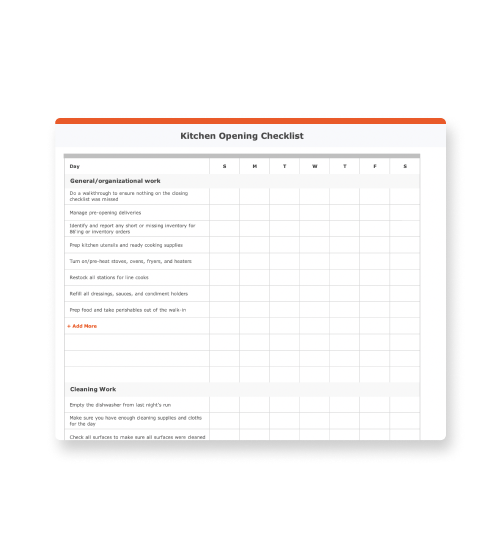
 Kitchen Opening and Closing Checklist
Ensure your back of house runs like a well oiled machine with these customizable kitchen opening and closing checklists.
Get Free Download | Built for Restaurants
Behind every smooth dinner service is a kitchen hierarchy system that ensures everyone knows their responsibilities. From the executive chef leading the charge to the dishwasher behind the scenes, clear roles make sure food quality stays consistent and communication flows.
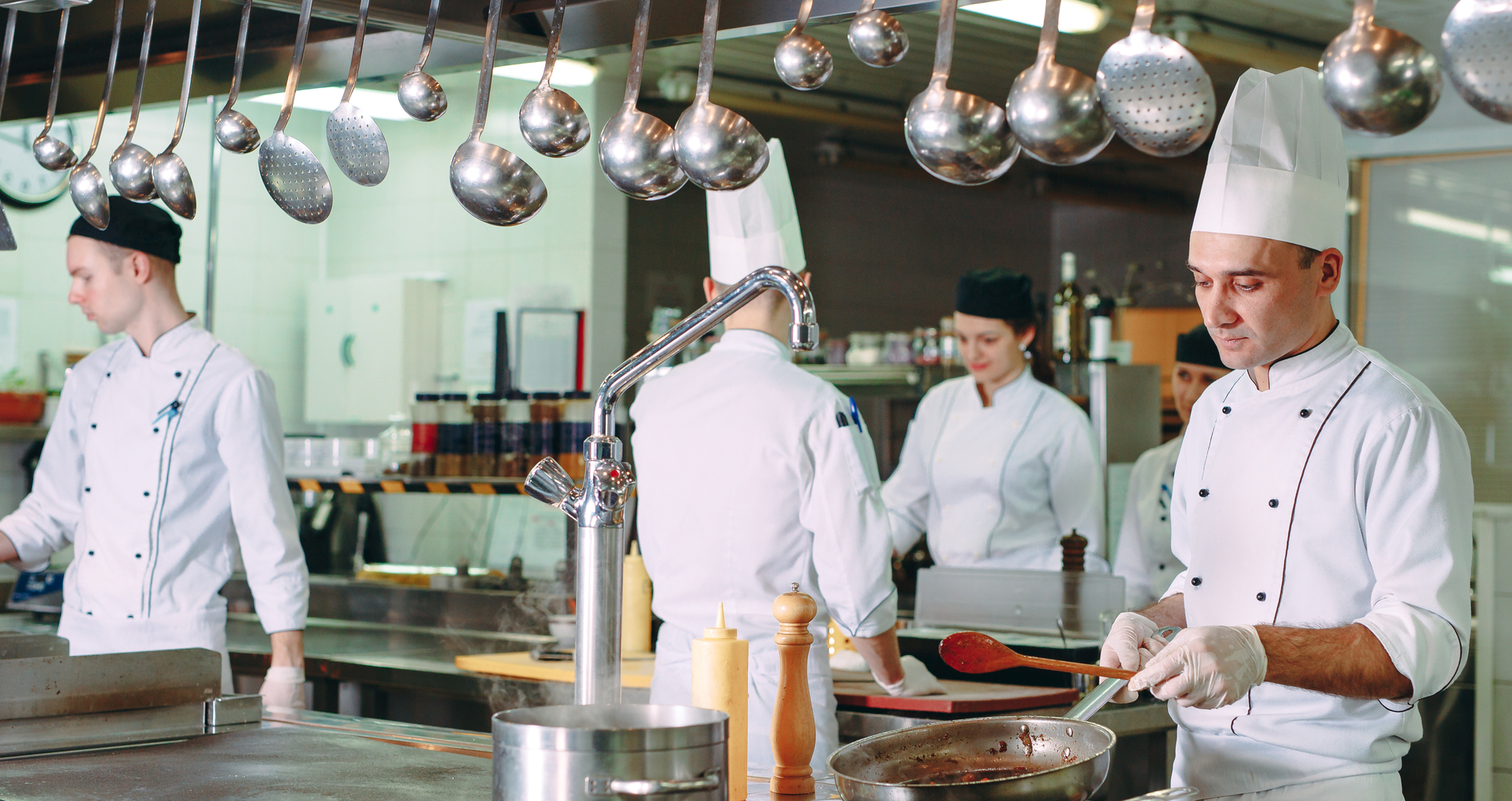
Even details like a chef’s hat can reflect this structure. Chef Maricel Gentile, owner of Maricel’s Kitchen in East Brunswick, NJ, explains:
“The main goal is to keep hair tucked away and sweat from dripping. But in some traditional restaurants, only the sous chef and executive chef wore the tall hats, making it easier to identify leadership on the line. They also help create a unified look and signal professionalism.”
In this article, we’ll break down what the kitchen hierarchy is, why it matters, the key roles that make it work, and how to adapt the system to fit your own kitchen.
Key takeaways
A kitchen hierarchy provides structure, ensuring every team member knows their role and responsibilities.
Clear chains of command improve efficiency, communication, and food consistency during busy service.
Each position—from executive chef to dishwasher—contributes to a smooth back-of-house operation.
The hierarchy doubles as a career pathway, giving cooks and assistants a roadmap for advancement.
Kitchens can adapt the traditional brigade system to fit their size and style, with modern tools like POS and KDS supporting order and coordination.
Restaurant Prep List Template
Use this free template to organize daily tasks for prep cooks, keep your team aligned, and make sure your kitchen runs smoothly from open to close.

What is the kitchen hierarchy?
The kitchen hierarchy is a structured system of roles and responsibilities that keeps a professional kitchen running smoothly.
Rooted in the French brigade de cuisine developed by Auguste Escoffier in the 19th century, it was designed to bring order, consistency, and accountability to what was once a chaotic environment.
At its core, the hierarchy establishes a clear chain of command—from the executive chef down to dishwashers—so that every team member knows exactly what they’re responsible for.
Why does kitchen hierarchy matter?
A clear hierarchy is essential for kitchen organization. Orders get mixed up, food quality slips, and staff become overwhelmed. With a defined system in place, restaurants benefit from:
Efficiency: Tasks are delegated to the right people, reducing bottlenecks and wasted effort.
Consistency: Guests enjoy the same level of quality every time, no matter who is working that shift.
Accountability: Everyone understands their role, which reduces mistakes and improves morale.
Career development: The hierarchy doubles as a roadmap for advancement, giving cooks and assistants a clear path to becoming leaders.
Key roles in the kitchen hierarchy
Each role, from the executive chef to the dishwasher, plays a specific part in keeping operations efficient, consistent, and professional. Here’s how the main positions break down and what makes each one essential.
1. Executive chef (chef de cuisine)
The executive chef is the head of the kitchen and sets the creative and operational direction for the restaurant.
Core responsibilities: Designs the menu, sources ingredients, and manages food costs to keep the kitchen profitable and consistent.
Leadership role: Hires and manages staff, ensures quality standards, and coordinates with ownership or general management.
Public presence: Often serves as the “face” of the restaurant, appearing in press, greeting guests, and shaping the brand’s reputation.
2. Sous chef
As second-in-command, the sous chef ensures that the executive chef’s vision is carried out day to day. They balance leadership with hands-on cooking.
Core responsibilities: Oversees operations during service, supervises the line, and ensures dishes are prepared to standard.
Leadership role: Acts as a mentor for cooks, handling training and development, while also stepping in when the executive chef is away.
Team bridge: Connects management and kitchen staff, keeping communication clear and service efficient.
3. Station chefs (chefs de partie)
Station chefs are specialists who lead particular sections of the kitchen. Each station focuses on a specific part of the menu, ensuring precision and consistency. While smaller kitchens may combine these roles, in larger or fine-dining operations each station is distinct and highly specialized.
Core responsibilities: Run their station efficiently, prepare their assigned dishes, and supervise any junior staff assigned to them.
Areas of specialization:
Saucier – prepares sauces and often sautéed items
Poissonnier – focuses on fish and seafood
Grillardin – works the grill station
Garde manger – prepares cold foods such as salads and charcuterie
Pâtissier – creates breads, pastries, and desserts
Team role: Station chefs are the technical experts of the kitchen, ensuring their area delivers the same high quality every service.
4. Line cooks and commis chefs
Line cooks and commis chefs form the foundation of the kitchen brigade, turning the chef’s vision into dishes guests actually receive.
Line cooks: Work directly under the station chefs, handling prep and execution of menu items during service. Their speed and accuracy are critical to keeping the kitchen moving.
Commis chefs: Entry-level cooks who assist wherever needed, often rotating through stations to learn different skills. This is typically a training role and the starting point for many culinary careers.
Team role: Together, line cooks and commis chefs provide the essential support that keeps every station productive. They’re the backbone of service, especially during peak hours.
5. Kitchen assistants and dishwashers (escuelerie/plongeur)
Often working behind the scenes, kitchen assistants and dishwashers are essential for keeping the operation running smoothly. Without their support, even the most talented chefs couldn’t keep up with service.
Core responsibilities: Handle food prep tasks like chopping, peeling, or measuring ingredients, while also managing dishwashing and sanitizing.
Support role: Keep equipment, utensils, and workstations clean and ready, allowing chefs to stay focused on cooking.
Team impact: Their efficiency directly affects the pace of the kitchen—clean plates, sharp knives, and stocked stations mean faster service and higher quality.
How to adapt the hierarchy to your kitchen
Not every restaurant needs a full fine-dining brigade. The beauty of the kitchen hierarchy is that it can scale to fit your team, menu, and service style.
Smaller kitchens: With limited staff, one chef may cover multiple stations. For example, the same cook might handle both the grill and sauté line, or the pastry station may be combined with garde manger. The key is flexibility—everyone pitches in while still respecting a clear chain of command.
Fast casual and quick service: These kitchens run on speed and efficiency, often streamlining the hierarchy into just a few core roles. Instead of station chefs, you might have line cooks who rotate tasks depending on the rush. The emphasis is on cross-training and teamwork rather than strict specialization.
Technology as support: Modern tools like POS systems and kitchen display systems (KDS) help keep communication clear and orders organized.
Kitchen hierarchy is the order behind the order
A well-structured kitchen hierarchy creates consistency, builds teamwork, and sets the stage for growth. Every role contributes to the same goal: delivering high-quality dishes and a smooth dining experience for guests.
The traditional brigade system offers a proven framework, but it doesn’t have to be rigid. Adapting the hierarchy to fit your restaurant’s size, concept, and service style ensures your team runs efficiently without losing flexibility. As “Top Chef” star and James Beard Award nominee Brother Luck puts it:
“If you've been appointed the role of training a new cook, then in my opinion you're trusted enough to be called chef within our industry. It still does not make you an executive chef, chef de cuisine, or sous chef. Those titles need to be earned and appointed. Cooks make food but chefs make cooks.”
This perspective underscores that hierarchy isn’t just about titles—it’s about mentorship, growth, and creating the next generation of leaders in your kitchen.
Chef Training Checklist
Use this free checklist to help streamline your training process and set your new chefs up for success.
FAQ
Do all restaurants need a formal kitchen hierarchy?
Not necessarily. While fine-dining operations often use a traditional brigade system, smaller or fast-casual restaurants can adapt a lighter version. The key is ensuring clear roles and responsibilities, no matter the size.
How many positions should a small restaurant include in its kitchen hierarchy?
It depends on your menu and staffing. Many small kitchens combine multiple roles—for example, one cook may cover both grill and sauté—while still maintaining a clear chain of command.
Can kitchen hierarchy work in open kitchen concepts?
Yes. In fact, open kitchens often benefit from a defined hierarchy because it keeps operations organized and professional in full view of guests.
How do I handle hierarchy when cross-training staff?
Cross-training is valuable, but hierarchy still matters. Define a “primary” role for each shift so staff know who leads and who supports, even if everyone can cover multiple stations.
Should hierarchy change during different service periods?
Hierarchy can flex with the flow of service. For example, a lunch shift may run with fewer defined roles, while dinner service might require a more formal structure to handle volume.


Is this article helpful?
DISCLAIMER: This information is provided for general informational purposes only, and publication does not constitute an endorsement. Toast does not warrant the accuracy or completeness of any information, text, graphics, links, or other items contained within this content. Toast does not guarantee you will achieve any specific results if you follow any advice herein. It may be advisable for you to consult with a professional such as a lawyer, accountant, or business advisor for advice specific to your situation.
 Trending

Subscribe to On the line
Sign up to get industry intel, advice, tools, and honest takes from real people tackling their restaurants’ greatest challenges.
By submitting, you agree to receive marketing emails from Toast. We’ll handle your info according to our privacy statement. Additional information for California residents available here.