Restaurant Positions: A Complete Guide to Roles in the Industry
Learn about the essential restaurant positions, their responsibilities, and how to structure a successful team in your restaurant.
Aislinn CokerAuthor

 RESOURCE
 Restaurant Hiring Kit & Templates
Use these free job description, interview, and offer letter templates to improve and standardize the hiring process for your restaurant.
Get Free Download | Built for Restaurants
Running a successful restaurant requires a strong team, and every member plays a critical role in keeping operations smooth. From the front of house to the back of house, understanding the different restaurant positions and their responsibilities helps operators build efficient teams and maintain excellent customer experiences.
Whether you’re hiring staff, applying for a job, or simply curious about how a restaurant works behind the scenes, this guide will cover all the major restaurant positions, what they do, and why they matter.
Key takeaways
A strong restaurant team relies on clearly defined roles front and back of house.
Front of house staff (hosts, servers, bartenders) shape the guest experience.
Back of house staff (chefs, cooks, dishwashers) keep the kitchen running smoothly.
Managers provide leadership, structure, and accountability.
Every position matters in a restaurant: teamwork drives efficiency and customer satisfaction
Training Manual Template
Use this restaurant training manual template, a customizable Word Doc, to provide your staff with the rules, guidelines, and clarity they need to do their jobs efficiently.

Why understanding restaurant positions matters
Restaurant roles are interconnected. A well-structured team delivers faster service, higher food quality, and better customer satisfaction. When owners and managers clearly define each position, it reduces confusion, prevents overlaps, and creates a better work environment. “Lay it all out,” says Tina Lum, CEO of Push Operations. “That way, expectations are set. If they choose to come on board, they know exactly what they're getting themselves into.”
It’s just as important that the entire staff believes in the mission. As chef Jody Myers said, “It’s most important to hire people who believe in the mission of the business. Skills can be taught on a foundation of passion and commitment. It rarely works the other way around.”
For job seekers, knowing the common restaurant positions helps you understand where your skills fit and what career path you can take in hospitality. For managers, it helps with workforce planning and setting clear expectations.
Front-of-house positions
Front-of-house (FOH) positions are customer-facing roles. These employees interact directly with guests, ensuring a positive dining experience from start to finish.
Host or hostess
The host or hostess is the first point of contact for guests. Their responsibilities include:
Greeting customers as they enter
Managing reservations and walk-ins
Assigning tables based on availability and guest needs
Communicating wait times accurately
Coordinating with servers to maintain table flow
A great host sets the tone for the entire dining experience. They need strong communication skills and the ability to stay calm during busy times.
Server
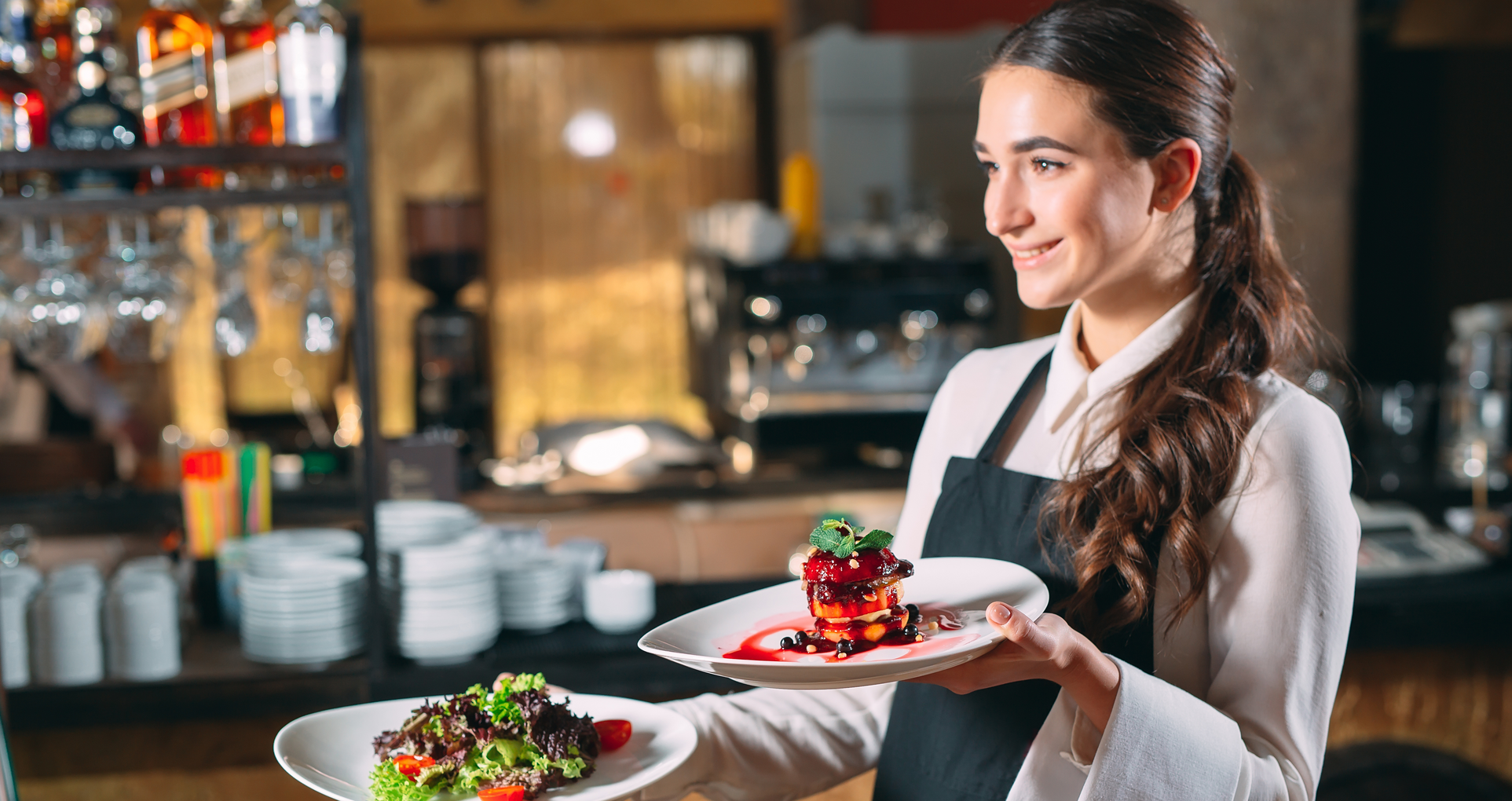
Servers are responsible for taking orders, delivering food, and ensuring guests have everything they need. Typical responsibilities include:
Explaining the menu and answering questions
Taking accurate food and drink orders
Relaying orders to the kitchen
Serving dishes and beverages promptly
Checking in with guests during their meal
Processing payments and closing out checks
Servers often rely on tips, so excellent customer service skills are essential for success in this role.
Bartender
Bartenders mix and serve alcoholic and non-alcoholic drinks. In many restaurants, bartenders also manage the bar area and interact with guests directly. Key responsibilities include:
Mixing and garnishing cocktails
Pouring beer and wine
Taking drink and sometimes food orders
Maintaining bar inventory
Following responsible alcohol service laws
Engaging with guests at the bar to create a welcoming experience
In some restaurants, bartenders also prepare drinks for servers to deliver to tables, making them a key part of the FOH team.
Busser
Bussers support servers by keeping tables clean and ready for the next guests. Their duties include:
Clearing dirty dishes and glassware
Wiping down tables and resetting them
Refilling water glasses
Assisting with stocking and cleaning
While bussers may not interact much with guests, their work is essential for maintaining smooth table turnover.
Food runner
Food runners act as the link between the kitchen and the dining room. Their primary responsibility is:
Delivering prepared dishes to tables quickly and accurately
Ensuring plates are presented correctly
Answering basic guest questions about food items
Assisting servers during peak times
This position helps reduce the workload on servers and keeps service efficient.
Back-of-house positions
Back-of-house (BOH) positions handle everything behind the scenes. These roles focus on food preparation, cooking, and keeping the kitchen running efficiently.
Executive chef
The executive chef, often called the head chef, oversees the entire kitchen. Responsibilities include:
Designing the menu and creating new dishes
Managing food costs and inventory
Supervising kitchen staff
Maintaining food safety and sanitation standards
Coordinating with restaurant management on specials and events
This is one of the most senior roles in the kitchen and requires strong leadership and culinary expertise.
Sous chef
The sous chef is the second-in-command in the kitchen. Their responsibilities include:
Assisting the executive chef with menu planning
Supervising daily kitchen operations
Training and mentoring cooks
Ensuring consistency in food quality
Filling in for the executive chef when needed
Sous chefs often handle scheduling and ordering as well, making this a key leadership position.
Line cook
Line cooks work on the “line,” where dishes are assembled and cooked during service. Typical duties include:
Preparing ingredients before service (mise en place)
Cooking dishes according to recipes and standards
Working different stations such as grill, sauté, or fry
Maintaining cleanliness and food safety at their station
Communicating with other cooks and expeditors to ensure smooth service
Line cooks thrive in fast-paced environments and need strong multitasking skills.
Prep cook
Prep cooks focus on the early stages of meal preparation. Their main tasks include:
Chopping vegetables
Preparing sauces and marinades
Portioning ingredients for line cooks
Organizing and labeling prepped items
Cleaning and sanitizing work areas
Prep cooks are essential for setting the kitchen up for success during busy service hours.
Dishwasher
Dishwashers keep the kitchen and dining area stocked with clean plates, utensils, and glassware. Their responsibilities include:
Washing dishes and kitchen tools
Maintaining cleanliness of sinks and dish areas
Assisting with basic cleaning tasks in the kitchen
Taking out trash and recycling
Although it’s often an entry-level role, dishwashers play a critical part in keeping the restaurant running smoothly.
Management and supervisory positions
In addition to FOH and BOH roles, restaurants also rely on managers and supervisors to oversee operations.
General manager
The general manager (GM) runs the day-to-day operations of the restaurant. Responsibilities include:
Hiring and training staff
Managing budgets and controlling costs
Overseeing customer service and resolving issues
Ensuring compliance with health and safety regulations
Coordinating with owners or corporate leadership on strategy
The GM is often the highest-ranking on-site manager and needs strong leadership and business skills.
Assistant manager
Assistant managers support the general manager and may focus on specific areas like FOH or BOH operations. Their duties often include:
Supervising staff during shifts
Handling scheduling and payroll
Assisting with inventory management
Supporting hiring and training
Stepping in when the GM is off duty
Assistant managers are critical for maintaining consistency across shifts.
Floor manager
The floor manager focuses on FOH operations during service. They:
Greet guests and monitor the dining area
Handle guest complaints quickly
Support servers and hosts during busy times
Communicate with the kitchen to keep service running smoothly
This role helps maintain excellent guest experiences throughout each shift.
Specialty positions
Depending on the type of restaurant, there may be additional specialized roles, such as:
Sommelier: Wine expert who curates the wine list and assists guests with selections
Pastry chef: Specialist in desserts and baked goods
Barista: Coffee expert, typically in cafes or restaurants with a coffee program
Expeditor (Expo): Manages the flow of dishes from the kitchen to the dining room during service
These roles add value to the dining experience and help restaurants stand out in competitive markets.
How to structure your restaurant team
The ideal team structure depends on your restaurant size, style, and service model. A fine dining restaurant will have more specialized roles compared to a small casual café. When building your team:
Clearly define roles and responsibilities
Cross-train employees to increase flexibility
Schedule enough staff to handle peak times without overstaffing
Invest in training to maintain quality and consistency
Building the right team for success
Every restaurant position plays an important role in delivering a great guest experience. From the host who greets customers to the dishwasher who ensures clean plates, a successful restaurant relies on teamwork, communication, and clearly defined responsibilities. By understanding each role, operators can build efficient teams and create a positive environment for both staff and guests.
Is this article helpful?
DISCLAIMER: This information is provided for general informational purposes only, and publication does not constitute an endorsement. Toast does not warrant the accuracy or completeness of any information, text, graphics, links, or other items contained within this content. Toast does not guarantee you will achieve any specific results if you follow any advice herein. It may be advisable for you to consult with a professional such as a lawyer, accountant, or business advisor for advice specific to your situation.
 Trending
Subscribe to On the line
Sign up to get industry intel, advice, tools, and honest takes from real people tackling their restaurants’ greatest challenges.
By submitting, you agree to receive marketing emails from Toast. We’ll handle your info according to our privacy statement. Additional information for California residents available here.