10 Most Profitable Food Business Models to Launch in 2025
All food businesses have profit potential, but some tend to perform better. Explore the most profitable food business models and find your best fit.
Aiden ToborAutor
 RECURSO
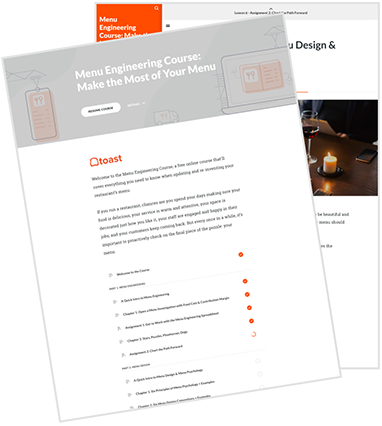
 Curso sobre ingeniería de menús
Realiza este curso para sacar el máximo provecho a tu menú. Obtén información sobre psicología y diseño aplicados a los menús, cómo administrar tu menú en línea y cómo adaptar tu menú para aumentar las ventas.
Obtener descarga gratis | Creado para restaurantes
Restaurant profit margins can vary widely depending on your concept, location, and how well your business is run. While some operate at margins as high as 15%, the average restaurant typically sees just 3% to 5%. That’s why choosing the right model from the start can make a big difference.
In this guide, we’ve put together the ten most profitable food business models — based on factors like overhead costs, scalability, and operational efficiency. While no model is guaranteed to succeed, some give you a stronger foundation to build a thriving business.
Keep reading to explore each model’s benefits, weigh the trade-offs, and find one that aligns best with your goals and strengths.
Key takeaways
Not all food businesses are created equal; some models offer significantly higher profit potential based on overhead, efficiency, and scalability.
Profit margins aren't everything. Choose a model that aligns with your skills, interests, and capacity for execution.
Systems and strategy matter more than the model alone.
Hoja de cálculo de ingeniería de menús
Usa esta hoja de cálculo de ingeniería de menús, que contiene fórmulas de ingeniería de menús de alta complejidad, para determinar los puntos fuertes y débiles de tu menú.

1. Meal prep and subscription services
Meal prep and subscription-based food businesses stand out for their ability to generate consistent, recurring revenue. By delivering ready-made meals on a weekly or monthly basis, these businesses can plan production more efficiently than traditional restaurants — reducing waste, controlling labor, and optimizing inventory.
This food business model is great if you love structure, efficiency, and targeting specific niches—like busy families, fitness-focused eaters, or folks with special diets. Ben McKean, founder and CEO of Hungryroot, explains the appeal of meal prep subscriptions:
“Suburban families are a core customer base for us… People who value convenience and who are looking to eat healthy… People really like the idea of having a brand they can trust to choose their foods for the week… Because when it works, it’s a huge time savings and a huge mental load savings… We’re 40% less than restaurant prices, and half of the dollars we’re displacing is restaurant delivery and takeout.”
Why it’s profitable
Predictable ordering: Subscription models provide reliable demand forecasts.
Bulk preparation: Meals are often prepped in large batches, keeping per-unit costs low.
Lower overhead: No need for a dining space — many operate out of commissary kitchens or small facilities.
Scalability: Once systems are in place, it’s easier to increase volume without proportionally increasing costs.
Potential challenges to profitability
Logistics and packaging: Delivering meals efficiently and maintaining freshness adds operational complexity.
Customer retention: Even loyal customers may pause or cancel subscriptions, so businesses must constantly engage and re-market to their base.
Licensing and regulations: Requirements vary by location, especially when selling refrigerated or prepackaged food.
2. Catering
Catering is a high-reward food business model built around large, pre-scheduled orders for events like weddings, corporate functions, or private parties. Since you’re cooking for a set number of people and often charging per head, you can tightly control portions, staffing, and costs.
This model works well if you’re organized, comfortable with event logistics, and enjoy producing high-quality food at scale. It’s also a strong option for chefs who prefer focused bursts of work rather than daily service. Mike O’Hanlon, ezCater’s chief customer care and operations officer, highlights why catering stands out as a high-margin opportunity:
“Catering orders are larger and more profitable than other off-premises orders. In fact, the average value of an ezCater order is over $350. Plus, catering orders can be made in off-peak hours, which can help combat labor shortages that many restaurants are facing… This is a great channel to capture high-value buyers and also service high headcount events that can get a brand in front of dozens, or hundreds, of potential customers.”
Why it’s profitable
High ticket sizes: Events often bring in thousands of dollars in a single day.
Efficient prep: Set menus and headcounts reduce food waste and overstaffing.
Low ongoing overhead: No need to maintain a daily storefront or keep regular hours.
Repeat clients: Weddings, businesses, and institutions often book annually or seasonally.
Potential challenges to profitability
Inconsistent scheduling: Revenue can be uneven, especially early on or during slow seasons.
Upfront costs: Transportation, staffing, and equipment rentals can add up quickly.
Execution risk: Events are high-stakes—errors can damage your reputation and lead to refunds.
Sales effort: Success depends on strong local marketing, word of mouth, and client relationships.
3. Food trucks
Food trucks combine mobility with lower startup costs, making them a popular entry point for first-time food business owners. Without the overhead of a brick-and-mortar restaurant, you can focus on a tight menu and take your food directly to high-traffic areas or events.
This model works best if you're flexible, comfortable with daily setup and teardown, and ready to adapt to changing foot traffic, weather, and local regulations. Anthony Duckworth, owner of Dear Coco Street Coffee, runs a successful mobile coffee business and emphasizes how food trucks can outperform traditional models:
“Our net profit is 40% versus a typical net profit of 5% to 10% for a coffee shop… To deliver the best coffee experience and attract the best baristas, our payroll sits at around 18%... We pay head barista wages to all team members to acknowledge that they work alone (or with an assistant on weekends) in sometimes challenging conditions.”
Why it’s profitable
Lower overhead: No rent or front-of-house staff to manage.
Targeted sales: You can go where the demand is—festivals, business districts, campuses.
Simple menus: Most trucks operate with a limited menu, which reduces food waste and speeds up service.
Built-in marketing: A well-designed truck can attract attention and double as a rolling ad.
Potential challenges to profitability
Permits and regulations: Operating a truck legally often means navigating complex local rules.
Weather dependence: Bad weather can mean lost income.
Maintenance: Vehicle repairs can shut you down unexpectedly.
Storage and prep space: Many food trucks still need access to a commissary kitchen or storage facility.
4. Ghost kitchens
Ghost kitchens (also known as cloud or virtual kitchens) are delivery-only food businesses that operate without a customer-facing storefront. You cook out of a commercial kitchen and fulfill orders through delivery apps or your own online system.
This model is ideal if you want to keep overhead low, focus entirely on food production, and scale through online channels. It’s especially popular for launching multiple virtual brands from one space.
However, profitability isn’t guaranteed. Without built-in foot traffic, ghost kitchens often rely heavily on digital marketing and third-party delivery apps to build visibility and grow customer demand. Janet Kang, who originally launched Pizza Baby as a ghost kitchen, ultimately had to shut it down due to low sales and limited marketing reach. Kang told LAist:
“It’s a matter of money… Do you have enough cash reserve to stick around long enough to get noticed?”
Why it’s profitable
No front-of-house costs: You save on rent, decor, and service staff.
Lower startup costs: Shared kitchens or leased spaces reduce the need for large investments.
Scalability: One kitchen can power multiple menus or brands targeting different audiences.
Online-first strategy: You can grow quickly by tapping into existing delivery platforms.
Potential challenges to profitability
Heavy competition: Delivery apps are crowded, and standing out can be tough.
Marketing required: Without foot traffic, you need strong digital branding and paid ads.
Platform fees: Delivery apps take a significant cut of each order.
Limited customer interaction: Less feedback and loyalty-building compared to dine-in models.
5. Specialty bakeries & dessert shops
Bakeries and dessert-focused businesses can be highly profitable thanks to low ingredient costs, small portion sizes, and high markups. Items like cupcakes, cookies, mochi donuts, or macarons often sell at premium prices, especially when paired with strong branding and presentation.
This model works well if you have a passion for baking, a strong visual sense, and the ability to create consistent, high-quality products at scale.
Why it’s profitable
High margins: Sugar, flour, and eggs are inexpensive compared to what customers are willing to pay.
Impulse buys: Sweets are easy to upsell, especially in high-traffic or tourist-heavy areas.
Niche appeal: Unique or trendy desserts can command strong pricing and social media buzz.
Potential challenges to profitability
Seasonality: Sales may drop outside holidays or gifting seasons.
Labor intensive: Decorative or delicate items require skilled, hands-on work.
Short shelf life: Fresh baked goods can go stale quickly, increasing waste.
Trends fade: Viral desserts can lose appeal fast—innovation is key to staying relevant.
6. Coffee shops with add-ons
Coffee shops can be profitable thanks to high margins on drinks and steady daily foot traffic. Adding pastries, breakfast sandwiches, or light lunch options boosts the average ticket size and makes each visit more memorable.
This model is a good fit if you’re located in a walkable area with consistent traffic and enjoy creating a welcoming, efficient space for repeat customers.
Why it’s profitable
High markup: Coffee has some of the highest profit margins in the food service industry.
Add-on potential: Baked goods, snacks, and merch can increase sales with minimal effort.
Repeat business: Customers often visit daily or several times a week.
Small footprint: Many coffee shops succeed in compact spaces with lower rent.
Potential challenges to profitability
Labor costs: Skilled baristas are essential and often in high demand.
Peak-hour pressure: Most sales happen in the morning, making efficiency critical.
High competition: Saturated markets can drive prices down and customer loyalty is hard to win.
Food waste: Perishable pastries and sandwiches must be carefully managed.
7. Fast casual restaurants
Fast casual restaurants sit between fast food and full-service dining—offering better ingredients and atmosphere without the need for servers. This model is built for efficiency and volume, making it a popular choice for scalable concepts.
It’s a strong option if you want to balance quality with speed, and you’re comfortable managing both kitchen flow and front-of-house operations.
Why it’s profitable
Higher prices than fast food: Customers pay more for perceived quality.
Efficient service: Counter ordering keeps labor costs lower than full-service.
Scalable systems: With the right setup, fast casual concepts can grow into multiple locations.
Broad appeal: Menu flexibility allows you to serve different diets and preferences.
Potential challenges to profitability
Higher startup costs: Buildout, equipment, and staffing require more upfront investment.
Operational complexity: You’re managing both dine-in and takeout, which can strain resources.
Real estate costs: Prime locations are often necessary to drive foot traffic.
8. Franchised quick-service restaurants (QSRs)
Franchising a fast food restaurant means buying into an established brand with proven systems, name recognition, and built-in demand. While startup costs can be high, the model offers predictable operations and support from the parent company.
This path works well if you want a structured business with less guesswork and are comfortable following strict brand guidelines.
Why it’s profitable
Brand recognition: Customers already know and trust the name.
Proven systems: Menu, marketing, and training materials are all ready to go.
Streamlined operations: Franchisors often negotiate supply costs and provide tech support.
Multiple location potential: Many franchisees scale by owning several units.
Potential challenges to profitability
High upfront costs: Franchise fees, buildout, and equipment can total six figures or more.
Ongoing royalties: A portion of your revenue goes to the franchisor.
Limited flexibility: You must follow strict brand rules, from menu to decor.
Market saturation: Some QSRs have limited growth opportunities in crowded areas.
9. Pop-ups and seasonal concepts
Pop-ups and seasonal food businesses offer a flexible, low-commitment way to generate income—especially around holidays, events, or trending products. You can test a new concept, build hype, and create a sense of urgency with limited-time offerings.
This model is ideal if you want to experiment without the long-term costs of a permanent location.
Why it’s profitable
Low overhead: Short-term leases or shared spaces reduce fixed costs.
Built-in urgency: Limited runs create buzz and drive fast sales.
Great for testing: You can validate a concept before investing more.
Event alignment: Seasonal events and markets provide built-in foot traffic.
Potential challenges to profitability
Inconsistent revenue: Sales are often short bursts, not steady streams.
Setup and teardown: Temporary spaces require extra logistics and planning.
Permitting and licenses: You may need different approvals for each location or event.
Marketing-dependent: Success often hinges on creating enough buzz to drive turnout.
10. Consumer packaged goods (CPG)
Selling packaged foods—like sauces, snacks, or beverages—lets you scale beyond a single location by distributing through retail stores, farmers markets, or online. Once you’ve developed a product people love, you can produce it at scale and expand your reach.
This model is a good fit if you’re brand-focused, comfortable navigating supply chains, and ready to compete on shelves or online.
Why it’s profitable
Scalable: A successful product can be sold regionally or nationally with the right distribution.
Low per-unit cost: Bulk production brings costs down significantly.
Multiple channels: You can sell through retailers, ecommerce, or direct-to-consumer subscriptions.
Brand loyalty: A strong identity can lead to repeat purchases and word-of-mouth growth.
Potential challenges to profitability
High upfront investment: Branding, packaging, certifications, and production require capital.
Complex logistics: Inventory, shelf life, fulfillment, and distributor relationships add layers of complexity.
Retail competition: Shelf space is limited, and marketing costs can be high.
Slow ramp-up: Building awareness and reaching profitability can take time.
Which food business model is right for you?
While some food business models have higher profit potential on paper, the most important factor is choosing one that fits your interests, skills, and lifestyle. The best food business to start is one you enjoy running, not necessarily one you pick solely for the margins.
Remember: strong systems, efficient operations, and smart marketing can make almost any model profitable. So focus on the format that plays to your strengths and keeps you motivated. That’s where real success starts!
¿Es útil este artículo?
AVISO LEGAL: Esta información se proporciona solo con fines informativos generales y su publicación no constituye un aval. Toast no garantiza la precisión ni la integridad de la información, el texto, los gráficos, los enlaces y otros elementos que incluye este contenido. Toast no garantiza que alcanzarás ningún resultado específico si sigues los consejos que aparecen aquí. Te recomendamos consultar con un profesional, como un abogado, contador o asesor comercial, para recibir asesoramiento específico para tu situación.
Suscribirse a On the line
Regístrate para recibir opiniones reales, consejos, herramientas e información específica del sector de la mano de quienes están abordando los desafíos más importantes para los restaurantes.
Al enviar, aceptas recibir correos electrónicos de marketing de Toast. Trataremos tu información de acuerdo con nuestra declaración de privacidad. Información adicional disponible para residentes de California aquí.