
Best Food Businesses to Start: Finding Your Culinary Niche
Discover the best food business ideas for entrepreneurs, from food trucks to meal prep services, with insights on costs, challenges, and growth potential.
Aiden ToborAutor
 RESOURCE
 Opening a Food Business Checklist
So many things go into opening a food business. Use this free PDF checklist to set your new business up for success.
Obtener descarga gratis | Creado para restaurantes
The food industry offers a wide range of opportunities for entrepreneurs passionate about culinary creation and service. With the U.S. food market projected to reach $863.95 billion in 2025 and grow at an annual rate of 4.36% through 2030, aspiring food business owners have more avenues than ever to turn their passion into a profitable venture.
However, choosing the right business model is critical, as startup costs, operational complexity, scalability, and profit potential vary significantly across different ventures. This guide explores some of the most promising food business models in today’s market, evaluating each based on initial investment, operational challenges, and evolving consumer trends — helping you make an informed decision on the best fit for your goals.
Factors to consider when choosing a food business
A well-chosen concept not only plays to your strengths but also aligns with market demand, financial feasibility, and long-term growth potential. Before examining specific business models, consider the key factors that will influence your success.
Your culinary strengths and passions
The most successful food businesses typically align with the founder's expertise and genuine interests. A specialized concept built around your unique skills and knowledge provides authenticity that customers recognize and value. For example, a baker with a passion for artisan sourdough might find success with a niche micro-bakery, while a chef skilled in regional cuisine could create a standout food truck or pop-up dining experience.
Startup capital requirements
Food businesses vary dramatically in initial investment needs — from a few thousand dollars for a home-based operation to hundreds of thousands for a full-service restaurant. Beyond upfront costs, consider ongoing expenses such as permits, equipment maintenance, ingredient sourcing, and marketing. Realistically assessing your financial resources helps narrow options to viable models and prevents unexpected financial strain.
Market gaps and local demand
Research your local market to identify underserved niches or cuisine types with growing demand but limited competition. The ideal business addresses a genuine need rather than competing directly with well-established operators. For example, if your city has plenty of burger joints but few plant-based options, a vegan fast-casual concept could tap into a growing health-conscious customer base.
Work-life balance considerations
Some food businesses require constant presence and long hours, while others offer more flexibility. Consider your lifestyle goals, personal commitments, and capacity to manage daily operations when selecting a business model. For example, owning a full-service restaurant often means late nights and weekends, while a meal prep delivery business or food truck may offer more control over scheduling. If you plan to hire staff, factor in how much oversight and hands-on management your business will require.
Scalability potential
Determine whether you want a single-location business that supports your lifestyle or a concept with growth potential through multiple locations, franchising, or diversified revenue streams. Some food businesses scale by expanding into catering, meal kits, online ordering, or packaged goods sold in retail stores, while others focus on opening additional brick-and-mortar locations. Choosing a model with the right scalability options can help align your long-term business goals with market opportunities.
Building a food business isn’t just about launching — it’s about creating a vision for the future. Many successful entrepreneurs start small but plan for expansion, whether through retail partnerships, franchising, or national distribution.
Natasha Case, co-founder of the ice cream sandwich food truck Coolhaus, emphasized the importance of thinking long-term when growing a business. Case said, "Think big, especially women. Don’t just think about how this is going to launch and the day to day. What’s this going to be in 10 years? Where do you want to be in 10 years? What’s your legacy going to be?"
By setting long-term goals and envisioning growth, food entrepreneurs can make strategic decisions early on that position their businesses for sustained success and industry impact.
The Restaurant Expansion Checklist
Learn how to expand into your second, fifth, or tenth restaurant location.

Most promising food business models
Food businesses come in many forms, but some models offer higher success potential, lower startup costs, and strong consumer demand. Below are some of the most promising food business models, along with their ideal fit, success factors, challenges, and real-world examples.
1. Specialized food truck or mobile concept
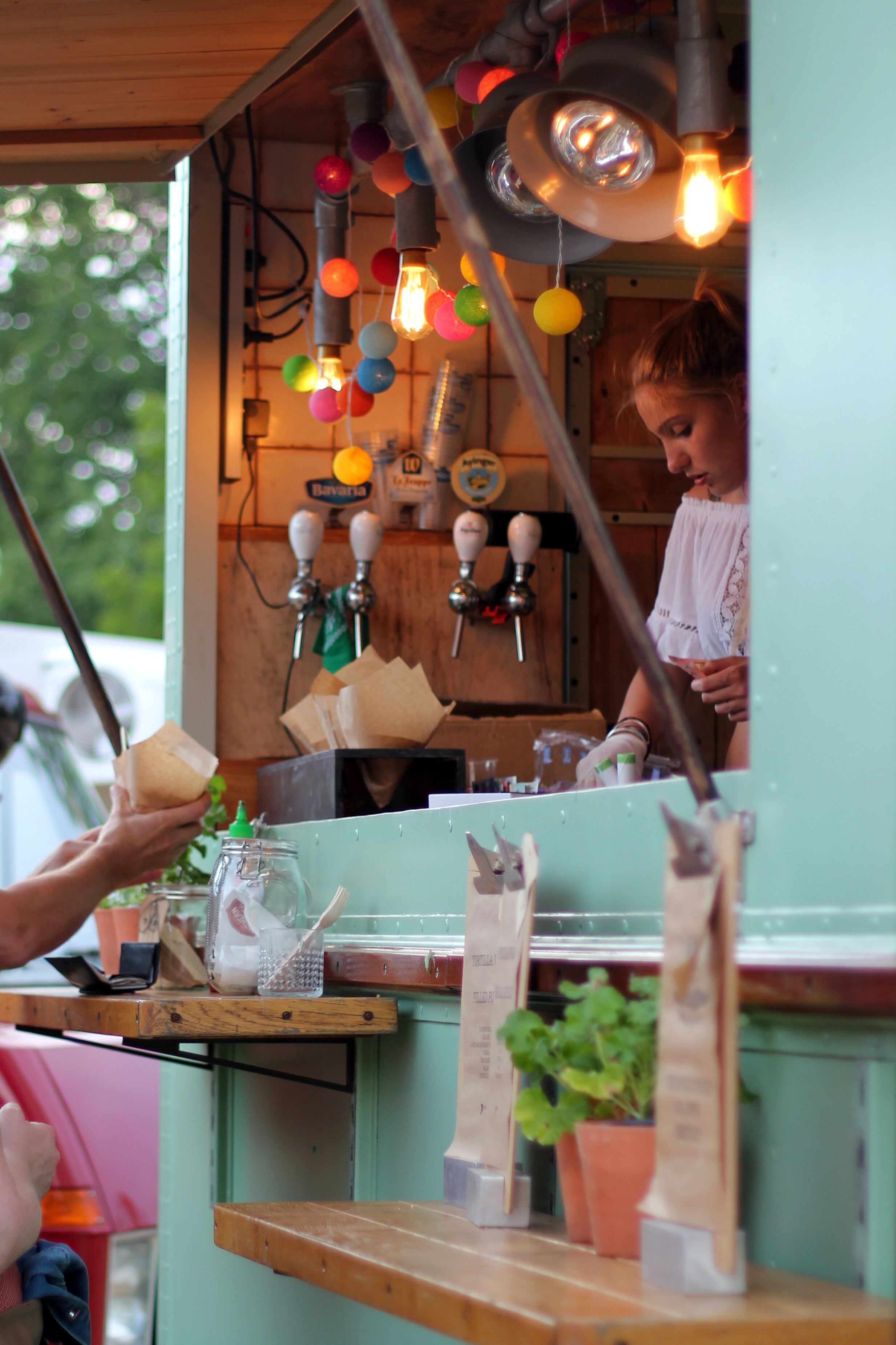
Why it's promising: Food trucks continue to thrive due to their lower startup costs compared to brick-and-mortar restaurants while allowing flexibility to test different locations and events. The most successful concepts focus on a specialized, limited menu that can be executed efficiently in a small space.
Ideal for:
Entrepreneurs with $50,000 to $100,000 in startup capital.
Those who want to test a restaurant concept before opening a permanent location.
People who enjoy a dynamic work environment with ever-changing customers and venues.
Success factors:
Highly focused menu: A concise menu (5 to 8 signature items) ensures fast service and consistency. Efficient production systems: Limited space requires optimized workflows and quick prep times. Strong social media presence: Posting real-time location updates on social media such as Instagram or Facebook drives foot traffic. Distinctive branding: A recognizable theme, logo, or aesthetic helps food trucks stand out at festivals and events.
Challenges:
Regulatory hurdles: Navigating permits, health codes, and municipal regulations varies by city. Weather dependency: Sales can drop significantly due to rain, snow, or extreme heat. Vehicle and equipment upkeep: Food trucks require regular maintenance to avoid costly breakdowns. Physical demands: Operating in a hot, confined space for long hours can be exhausting.
Successful examples:
Gourmet grilled cheese sandwiches: A simple comfort food elevated with premium cheeses, artisan bread, and creative flavor combinations, making it an easy-to-execute yet high-demand menu. The Grilled Cheese Truck gained national attention with its decadent melts, including options with short ribs, mac and cheese, and truffle oil.
Fusion tacos: Combining global flavors with the portability of tacos, these concepts offer bold, unique variations that stand out in a competitive market. Kogi BBQ in Los Angeles pioneered Korean-Mexican fusion tacos, sparking the nationwide trend of gourmet food trucks.
Artisanal ice cream and frozen desserts: Craft ice cream trucks succeed by offering small-batch, high-quality frozen treats with inventive flavors and premium ingredients. Coolhaus started as a food truck serving architecturally inspired ice cream sandwiches and expanded into national grocery distribution.
Globally inspired rice bowls: These customizable, hearty meals cater to health-conscious consumers looking for balanced, flavorful options. Pokéworks capitalized on the poke bowl trend, growing from a small operation to a national franchise offering build-your-own rice bowls.
Opening a Food Truck Checklist
So many things go into opening a food truck. With this free PDF checklist, you'll set your new business up for success.
2. Specialty bakery or dessert shop
Why it's promising: Specialty bakeries that focus on high-demand, niche products — such as artisan bread, custom cakes, gourmet donuts, or allergen-free treats — can command premium prices and build strong brand identities. Many entrepreneurs start under cottage food laws, selling at farmers' markets or online, before scaling to commercial kitchens or retail storefronts.
Ideal for:
Trained bakers or passionate home bakers with unique recipes that stand out from mass-produced alternatives.
Entrepreneurs who want a gradual growth model, starting from home-based production (around $10,000 investment) before expanding to a retail space ($100,000+ investment).
Business owners who thrive in creative, visually driven markets where branding and presentation matter.
Success factors:
Signature recipes that cannot be easily replicated: Unique flavors, techniques, or cultural influences help differentiate from grocery store alternatives.
Attractive visual presentation: Beautifully designed products perform well on social media and attract word-of-mouth marketing.
Consistent production quality and freshness: Baked goods require tight quality control to maintain customer loyalty.
Strategic location: Opening near complementary businesses like coffee shops, boutique stores, or high-foot-traffic areas boosts sales.
Challenges:
Early morning production hours: Many bakery items must be prepared fresh daily, requiring long prep times before opening.
Precise inventory management: Short shelf life means balancing supply and demand carefully to reduce waste.
Seasonality impacts: Certain items, such as holiday cookies and wedding cakes, experience fluctuations in demand throughout the year.
Labor-intensive production: Specialty baked goods often require hands-on techniques and skilled labor, increasing costs.
Successful examples:
French macarons: These delicate, colorful treats have a high perceived value, making them a profitable option for bakeries focused on artisanal craftsmanship. Ladurée has built an international reputation for its luxurious, handcrafted macarons, turning them into a globally recognized indulgence.
Artisan sourdough bread: With the rise of health-conscious and slow-food movements, sourdough remains a staple for those seeking naturally fermented, high-quality bread. Tartine Bakery in San Francisco helped popularize artisan sourdough with its dedication to long fermentation and high-quality ingredients.
Gluten-free and allergen-friendly pastries: A growing market of consumers with dietary restrictions and food sensitivities demands delicious, high-quality alternatives to traditional baked goods. Erin McKenna’s Bakery in New York became a pioneer in gluten-free, dairy-free, and vegan desserts, proving that allergen-friendly treats can be both indulgent and inclusive.
Specialty cupcakes: Custom cupcakes with unique flavors, intricate designs, and seasonal offerings thrive in the event and celebration market. Sprinkles Cupcakes revolutionized the industry with the first-ever cupcake ATM and a focus on high-end, beautifully crafted cupcakes.
Heritage recipe cookies: Traditional cookies from specific cultures and family recipes offer a unique, nostalgic appeal that connects customers to their heritage. Levain Bakery became famous for its oversized, gooey-centered cookies inspired by classic American baking traditions.
3. Ghost kitchen concept
Why it's promising: Ghost kitchens — delivery-only restaurants without dining rooms — significantly reduce real estate costs while allowing businesses to serve customers through third-party delivery platforms or proprietary ordering systems. This model also enables operators to test multiple food concepts from a single kitchen facility, maximizing efficiency and revenue potential.
Ideal for:
Experienced restaurant operators or chefs looking to launch with $25,000 to $75,000 in startup capital while focusing resources on food quality and marketing rather than front-of-house operations.
Entrepreneurs who want to experiment with multiple virtual restaurant brands under one roof, optimizing kitchen space and staff.
Business owners who prefer low-overhead, delivery-driven models rather than investing in a traditional brick-and-mortar location.
Success factors:
Delivery-friendly menu items: Food must maintain quality, texture, and presentation during transport.
Strong digital presence: High-quality food photography and an engaging online brand presence help attract customers.
Efficient packaging solutions: Proper packaging preserves temperature and prevents leaks or spills.
Multiple revenue streams: Partnering with multiple delivery platforms such as DoorDash and UberEats increases exposure and order volume.
Challenges:
Dependency on third-party delivery services: High commission fees can eat into profits, making it difficult to maintain margins.
Limited customer interaction: Without in-person service, building relationships and gathering direct feedback can be challenging.
Competitive digital landscape: Standing out requires strong marketing, SEO optimization, and targeted advertising.
Brand recognition hurdles: Without a physical storefront, businesses must work harder to establish trust and visibility.
Successful examples:
Virtual restaurant brands: Concepts specializing in premium burgers, healthy bowls, gourmet comfort foods, and internationally inspired dishes tend to perform well in this format. MrBeast Burger is a nationwide virtual burger brand launched by YouTuber MrBeast, available exclusively through delivery apps.
Celebrity-backed delivery brands: Many well-known chefs and influencers have launched delivery-only restaurants to capitalize on digital-first dining trends. Rapper Tyga launched the virtual brand Tyga Bites, featuring baked (not fried) chicken nuggets with customizable sauces.
Multi-brand ghost kitchens: Some facilities operate multiple distinct restaurant brands from a single kitchen, catering to different cuisines and demographics. Nextbite is one of the leading ghost kitchen operators with brands like Firebelly Wings, Lucky Dragon, and CraveBurger.
4. Specialty food production and wholesale
Why it's promising: Creating packaged specialty foods for wholesale distribution allows for scalability without the daily demands of direct consumer service. Many successful brands start by selling at farmers’ markets or online before expanding into local grocery stores, specialty retailers, and national distribution.
Ideal for:
Food artisans with unique, high-quality shelf-stable products such as sauces, condiments, spice blends, preserved goods, or specialty baking mixes.
Entrepreneurs looking for a scalable model with the potential to expand beyond direct-to-consumer sales.
Business owners with $15,000 to $50,000 for small-batch production or $100,000+ for large-scale manufacturing.
Success factors:
Distinctive products with competitive differentiation: Unique flavors, ingredients, or production methods set brands apart from mass-market alternatives.
Shelf stability and consistent quality: Products must meet food safety standards while maintaining taste and texture over time.
Attractive packaging that communicates value proposition: Clear branding, labeling, and design help products stand out on retail shelves.
Strong relationships with retailers and distributors: Building partnerships with stores, co-packers, and food brokers increases visibility and sales opportunities.
Challenges:
Securing distribution beyond direct sales channels: Gaining retail shelf space can be competitive and requires a compelling brand story.
Managing cash flow with wholesale payment terms: Retailers often pay on net-30 to net-90 terms, which can strain finances.
Scaling production while maintaining quality: Transitioning from small-batch to larger-scale production requires careful process control.
Navigating food safety regulations and certifications: Compliance with FDA regulations, labeling requirements, and organic or specialty certifications can be complex.
Successful examples:
Small-batch hot sauces: Unique pepper blends, fermented flavors, and handcrafted recipes. Yellowbird Sauce is an Austin-based brand known for all-natural, boldly flavored hot sauces made with real fruits and vegetables.
International cooking pastes: Authentic spice bases for global cuisines, such as Thai curry pastes or Middle Eastern harissa. Mama O’s Premium Kimchi Paste is a New York-based brand that provides ready-to-use kimchi paste for home fermentation and cooking.
Artisanal granola and energy bars: Premium, clean-label products targeting health-conscious consumers. Purely Elizabeth is a clean-label granola company that started in local health food stores and expanded into national retailers.
Specialized baking mixes: Gluten-free, high-protein, or heritage flour blends for niche baking needs. King Arthur Baking Company is known for high-quality flour blends and gluten-free baking mixes, catering to specialty baking needs.
Craft beverage syrups: Small-batch cocktail mixers, coffee syrups, and kombucha concentrates for home and bar use. Originally a maple syrup company, Runamok Maple expanded into cocktail syrups and infused maple blends for gourmet drinks.
5. Health-focused meal preparation service
Why it's promising: Meal prep services catering to specific dietary preferences — such as keto, plant-based, paleo, and high-protein meals — are in high demand as consumers seek convenient, healthy eating options. This model allows for flexible production scheduling and pre-order systems, reducing food waste while maintaining operational efficiency.
Ideal for:
Nutrition-focused chefs, dietitians, or health-conscious entrepreneurs who want to create nutrient-dense, ready-to-eat meals.
Business owners with $10,000 to $50,000 to invest in commercial kitchen space, packaging systems, and initial marketing.
Entrepreneurs looking to build a scalable subscription-based business with recurring revenue streams.
Success factors:
Nutritionally optimized recipes with transparent ingredient sourcing: Consumers demand clean labels, whole foods, and responsibly sourced ingredients.
Subscription models for recurring revenue: A weekly or monthly meal subscription ensures predictable sales and customer retention.
Efficient batch cooking and portioning systems: Large-scale meal prep requires carefully controlled portion sizes to manage costs and consistency.
Attractive, sustainable packaging solutions: Eco-friendly containers and leak-proof, microwave-safe packaging enhance customer experience and brand reputation.
Challenges:
Managing food costs while delivering perceived value: High-quality ingredients can be expensive, making it critical to balance pricing and portion sizes.
Developing meals that maintain quality for several days: Ensuring that meals remain fresh and appetizing for at least 3 to 5 days requires strategic ingredient selection and packaging.
Creating sufficient variety to prevent customer fatigue: Rotating menus and seasonal offerings help keep customers engaged.
Building logistics systems for efficient delivery or pickup: A strong local delivery network or centralized pickup locations is essential for success.
Successful examples:
Macro-balanced fitness meals: Designed for athletes and fitness-conscious individuals, these meal services focus on precise macronutrient ratios to support performance and recovery. Trifecta specializes in performance-focused meal plans, including keto, paleo, and high-protein options.
Plant-based meal subscriptions: With rising demand for vegan and vegetarian diets, plant-based meal services provide nutritious, pre-portioned meals free from animal products. Purple Carrot delivers fully vegan meal kits and ready-to-eat plant-based meals.
Family dinner solution services: These services offer pre-made, wholesome meals that save time for busy families looking for convenient, home-style dinners. Mosaic Foods specializes in frozen, chef-crafted, plant-based family meals designed for quick preparation, offering nutritious and convenient options for households.
Specialized diet programs: Tailored meal services cater to specific dietary needs, such as Whole30, Mediterranean, and anti-inflammatory diets, offering expert-designed meal plans. Territory partners with local chefs to create dietitian-designed meals tailored to Whole30, Mediterranean, and other dietary plans.
6. Cooking class or food experience business
Why it's promising: Experiential food businesses — such as cooking classes, tasting events, and culinary tours — capitalize on the growing experience economy, where consumers are willing to pay for unique, hands-on activities. Unlike traditional food service, these businesses often require less startup capital and can operate from flexible locations or even virtual platforms.
Ideal for:
Culinary educators, chefs, or passionate home cooks with strong teaching abilities who enjoy engaging with groups.
Entrepreneurs with $5,000 to $30,000 to invest in equipment, venue partnerships, and marketing materials.
Business owners looking for flexible, event-based models that do not require daily operations.
Success factors:
Engaging teaching style and curriculum development: Clear, structured lessons combined with interactive, hands-on instruction keep participants engaged.
Themed experiences that create memorable occasions: Seasonal, holiday, or niche-focused events (e.g., date-night cooking, international cuisines, or farm-to-table dining) attract repeat customers.
Strategic partnerships with complementary businesses: Collaborating with wineries, breweries, or specialty food stores creates cross-promotional opportunities.
Effective event promotion and ticketing systems: A strong online presence, social media marketing, and easy booking platforms help maximize attendance.
Challenges:
Seasonal fluctuations in demand: Interest in experiences may peak during holidays and special occasions but slow during off-seasons.
Venue sourcing and equipment transportation: Hosting events at various locations requires careful logistics and coordination.
Scaling beyond the founder's personal availability: The business model can be dependent on the founder’s presence unless scaled through pre-recorded classes, licensing, or hiring additional instructors.
Creating repeatable systems for consistent experiences: Standardized lesson plans, recipes, and workflows ensure a high-quality experience across all events.
Successful examples:
International cooking techniques: These classes provide an authentic cultural experience by teaching participants traditional cooking methods from around the world. The League of Kitchens in New York City offers immersive classes taught by immigrant chefs sharing their home cuisines.
Artisan skills (bread making, cheesemaking): Workshops focus on mastering time-honored culinary techniques, often using high-quality ingredients and traditional methods. King Arthur Baking School provides hands-on workshops in artisanal bread baking and pastry techniques.
Cocktail mixing classes: These interactive experiences teach participants professional bartending techniques, flavor balancing, and cocktail presentation. Liquid Lab NYC offers hands-on mixology classes, virtual cocktail experiences, and themed cocktail workshops, catering to both beginners and cocktail enthusiasts.
Specialized dietary cooking instruction: Cooking classes tailored for dietary needs help participants create flavorful, nutritious meals that align with their lifestyle. Cozymeal connects participants with chefs offering classes focused on vegan, gluten-free, keto, and other specialty diets.
7. Specialty coffee shop or tea house
Why it's promising: Specialty beverage businesses focusing on exceptional quality and unique offerings continue to thrive, even in a competitive market. Unlike mass-market chains, independent coffee shops and tea houses create community gathering spaces that emphasize craftsmanship, customer experience, and product education, all while maintaining relatively simple inventory management compared to full-service restaurants.
Ideal for:
Coffee or tea enthusiasts with a passion for high-quality beverages and customer engagement.
Entrepreneurs with $80,000 to $200,000 to invest in equipment, buildout, and initial operations, ideally with prior experience in beverage service.
Business owners looking to create a third-place atmosphere where customers can gather, work, or relax.
Success factors:
Superior product quality and consistent preparation: Specialty coffee shops and tea houses must maintain rigorous brewing techniques and sourcing standards to stand out.
Comfortable environment encouraging extended visits: Thoughtful interior design, seating, and ambiance enhance customer experience and increase dwell time.
Knowledgeable staff creating educational experiences: Baristas and tea specialists must be trained to educate customers on origins, brewing methods, and flavor profiles.
Strategic location with regular foot traffic: Positioning near universities, business districts, or residential hubs helps ensure steady sales.
Challenges:
High-quality staff recruitment and training: Skilled baristas and tea specialists require specialized training, leading to hiring challenges.
Competition from established chains and independent operators: Differentiation through niche offerings, superior service, and unique experiences is essential.
Long operating hours to capture different dayparts: Morning coffee rushes and afternoon/evening tea service require extended hours to maximize revenue.
Managing peak demand periods efficiently: High-traffic times demand optimized workflows, staffing levels, and order fulfillment systems.
Successful examples:
Single-origin coffee specialists: These coffee shops focus on high-quality, single-origin beans sourced directly from farmers, offering a more transparent and sustainable approach to coffee. Blue Bottle Coffee is known for meticulously sourced, direct-trade single-origin coffees, emphasizing freshness and precision brewing techniques.
Craft tea blenders: Specialty tea houses create unique, high-end blends using whole ingredients, often combining traditional and modern flavors. Smith Teamaker in Portland produces small-batch blended teas made from whole leaves, herbs, and spices, appealing to premium tea enthusiasts.
International tea traditions: These businesses focus on authentic tea cultures, offering carefully sourced teas and educational tasting experiences. Tea Drunk in New York City specializes in rare, traditionally sourced Chinese teas, providing guided tastings that showcase historic tea-making techniques.
Coffee roaster/cafés: Combining roasting and retail, these businesses source, roast, and brew their own beans, ensuring quality control and a distinctive house flavor. Onyx Coffee Lab operates as both a roastery and café, emphasizing sustainable sourcing, specialty-grade beans, and competition-level barista techniques.
Specialized beverage innovators: These brands differentiate themselves by offering creative, visually appealing, and health-conscious drinks that drive social media buzz. Cha Cha Matcha has expanded the specialty tea market with high-end, Instagram-worthy matcha drinks, attracting a younger, trend-conscious audience.
Plantilla de plan de negocios para cafeterías
Usa esta plantilla de plan de negocio para cafeterías gratuita para crear fácilmente un plan de negocio eficaz que te permita organizar tu visión y te ayude a abrir o ampliar tu cafetería o a recaudar fondos para llevarlo a cabo.
8. Farmers market vendor expanding to multiple revenue streams
Why it's promising: Starting as a farmers market vendor provides a low-risk opportunity to test products, gather customer feedback, and establish a loyal following before expanding into additional channels. Many successful brands leverage farmers markets as launchpads before moving into e-commerce, wholesale, or brick-and-mortar locations. This gradual growth model allows businesses to refine products, establish branding, and scale sustainably.
Ideal for:
Food producers with limited starting capital ($5,000 to $15,000) who can develop small-batch, high-quality products with strong branding.
Entrepreneurs who thrive in direct-to-consumer sales and want to engage with customers face-to-face before expanding distribution.
Business owners who want to build a brand slowly and organically while testing demand in different markets.
Success factors:
Products with both visual appeal and exceptional taste: Farmers markets attract impulse buyers, so attractive packaging and high-quality ingredients are key to standing out.
Compelling founder story and authentic brand narrative: Customers at farmers markets are often invested in the story behind a brand, making a unique backstory a major selling point.
Engagement with customers to build direct relationships: Sampling, storytelling, and direct interactions foster strong customer loyalty.
Strategic expansion to complementary sales channels: Gradually moving into e-commerce, wholesale partnerships, or retail spaces creates long-term stability.
Challenges:
Weather dependency and seasonal market schedules: Farmers markets are outdoor and seasonal, meaning revenue fluctuates based on climate and event schedules.
Intensive weekend time commitment during market season: Many markets operate only on weekends, requiring long hours for setup, sales, and breakdown.
Managing multiple revenue streams as the business grows: Scaling requires balancing farmers market sales with online orders, wholesale accounts, and other channels.
Transitioning from production labor to business management: As the company expands, owners must shift from hands-on production to managing operations, branding, and logistics.
Successful examples:
Artisanal preserves: Small-batch jams, fruit spreads, and chutneys often attract farmers market customers seeking unique flavors made with high-quality, seasonal ingredients. The Jam Stand in Brooklyn started as a local jam vendor and later expanded into national wholesale distribution in grocery stores.
Fermented foods: The rising demand for gut-health-friendly foods has led to a surge in handcrafted, naturally fermented products like sauerkraut, kimchi, and kombucha. Firefly Kitchens launched at Seattle farmers markets with fermented krauts and kimchi, then expanded to Whole Foods and e-commerce sales.
Heritage recipe baked goods: Traditional baking techniques and recipes passed down through generations create a strong brand identity and appeal to nostalgia-driven consumers. Zingerman’s Bakehouse in Ann Arbor began selling handcrafted bread and pastries at local events, eventually growing into a nationwide mail-order business.
Regionally inspired prepared foods: Consumers enjoy locally inspired, small-batch sauces, soups, and meal components that highlight regional ingredients and flavors. Sugo Sauces started by selling Italian-inspired pasta sauces at farmers markets, then scaled up through direct-to-consumer online sales and regional specialty stores.
Emerging opportunities in the food business
As consumer preferences evolve, new opportunities are emerging in the food industry that cater to health-conscious, sustainability-focused, and experience-driven markets. Entrepreneurs who embrace innovative food products, heritage flavors, eco-friendly practices, and hybrid business models can carve out a strong position in the competitive food landscape.
Plant-based and alternative protein products
As plant-based eating moves beyond niche markets, opportunities are growing for innovative food businesses creating plant-based versions of traditionally meat-based dishes, lab-grown protein products, and whole-food plant-based meal options. The demand for alternative dairy, plant-based seafood, and mushroom-based meat substitutes continues to expand.
Brands like Impossible Foods and Beyond Meat have transformed the plant-based burger industry, while new players focus on plant-based chicken, seafood, and egg alternatives.
Heritage and cultural cuisine specialists
Consumers are increasingly seeking authenticity in global cuisine, creating demand for heritage food businesses that preserve family recipes and traditional preparation methods. This trend spans handmade tortillas, slow-fermented soy sauces, authentic African and Middle Eastern flavors, and regional heirloom grains.
Diaspora Co. has built a direct-trade spice business celebrating South Asian flavors, while Guelaguetza in Los Angeles has expanded its Oaxacan mole sauces into national distribution.
Sustainable and zero-waste food concepts
Food businesses centered around minimal waste, regenerative farming, and circular economy practices are attracting eco-conscious consumers willing to pay premium prices. Concepts include upcycled food brands, packaging-free bulk grocery stores, and farm-to-table operations with on-site composting.
Misfits Market and Imperfect Foods have built successful businesses by reducing food waste through surplus produce and grocery delivery models.
Functional foods and beverages
Consumers are increasingly looking for foods and beverages that offer health benefits beyond basic nutrition — such as gut health, stress relief, immune support, and energy enhancement. Adaptogens, probiotics, protein-rich snacks, and nutrient-dense beverages are booming categories in health-conscious food retail.
Olipop and Poppi have revolutionized the soda industry with prebiotic-infused sodas, while Four Sigmatic has grown through its mushroom-based coffee and functional wellness drinks.
Hybrid food retail concepts
Blending food service with retail sales creates multiple revenue streams, enhancing customer engagement and profitability. Successful hybrid models include grocery-meets-restaurant spaces, butcher shops with ready-to-eat meals, and bakeries selling specialty ingredients for home cooks.
Eataly combines an Italian grocery market with in-house dining, cooking classes, and wine retail, while Gjusta in Los Angeles operates as a bakery, café, and artisan food marketplace all in one.
Selecting the best food business for you
Choosing the right food business is not just about market trends — it’s about finding a model that fits your skills, lifestyle goals, and long-term vision. Whether you’re looking for a flexible side business, a full-scale operation, or a brand with franchise potential, answering these key questions can help narrow your options:
Which concepts align with your culinary expertise and genuine interests? A business built on passion and skill is more likely to succeed.
What initial investment level is realistic given your financial situation? Some models require minimal capital, while others need substantial upfront funding.
How much operational complexity can you manage given your experience? Running a restaurant differs greatly from operating a meal prep service or a packaged goods brand.
What level of work-life balance do you need your business to provide? Some food businesses demand long hours, while others offer flexibility.
Are you seeking a lifestyle business or a concept with significant growth potential? Determine whether you want a steady income stream or scalability into multiple locations, franchises, or distribution channels.
Which models address genuine needs in your specific location or target market? A great concept must match customer demand, local competition, and emerging food trends.
Final thoughts
The most successful food businesses combine authentic passion and expertise with strategic market positioning and operational excellence. Rather than chasing fleeting trends, the best opportunities emerge where your unique skills, resources, and vision meet genuine market demand.
Starting small and focused — whether as a farmers market stand, home-based operation, or pop-up concept — allows for testing, refining, and building a loyal customer base before scaling. Many thriving food brands began as modest ventures before expanding into full-scale businesses, retail distribution, or national franchises.
By aligning your business model with your personal goals, market demand, and long-term scalability, you can create a sustainable, fulfilling, and profitable food business. Success in the food industry comes from staying adaptable, refining your concept over time, and consistently delivering value to your customers.


¿Es útil este artículo?
AVISO LEGAL: Esta información se proporciona solo con fines informativos generales y su publicación no constituye un aval. Toast no garantiza la precisión ni la integridad de la información, el texto, los gráficos, los enlaces y otros elementos que incluye este contenido. Toast no garantiza que alcanzarás ningún resultado específico si sigues los consejos que aparecen aquí. Te recomendamos consultar con un profesional, como un abogado, contador o asesor comercial, para recibir asesoramiento específico para tu situación.
 Tendencias

Suscribirse a On the line
Regístrate para recibir opiniones reales, consejos, herramientas e información específica del sector de la mano de quienes están abordando los desafíos más importantes para los restaurantes.
Al enviar, aceptas recibir correos electrónicos de marketing de Toast. Trataremos tu información de acuerdo con nuestra declaración de privacidad. Información adicional disponible para residentes de California aquí.