State of Salmon Prices: Wholesale Restaurant Food Cost Trends
See trends and fluctuations for wholesale restaurant salmon prices based on proprietary Toast data.

Justin GuinnAutor

 RECURSO
 Guía de control de costos para restaurantes
Usa esta guía para obtener más información sobre los costos de los restaurantes, cómo realizarles un seguimiento y las medidas que puedes tomar para maximizar tu rentabilidad.
Obtener descarga gratis | Creado para restaurantes
Wholesale restaurant salmon prices impact all types of restaurant types. Tons of cuisines and service types serve salmon in a variety of preparations.
Whether it’s king salmon sushi or a pan-fried Wild Alaskan salmon fillet, restaurant operators must be tracking price fluctuations for the fish. A diligent record of wholesale price movements can help operators choose between the local fishery or fish market or larger providers.
Understanding the costs that go into a sockeye salmon taco entree can help restaurant decisions makers strategically set prices, manager portion sizes, and more.
Informe de estadísticas para operadores de restaurantes
Consulta las estadísticas de operadores de restaurantes reales que pueden ayudarte a comparar la infraestructura tecnológica actual y planificada de tu restaurante con la de tus competidores de cara al 2024 y en adelante.

Restaurant salmon price trends
Toast is the point of sale system built for restaurants.
We're able to calculate the average monthly prices that restaurants pay for salmon, seafood, other ingredients by using proprietary data from xtraCHEF by Toast, our invoice automation and recipe costing tool.
The average national price per pound of salmon is $10.25 in August. This represents a 1% month-over-month increase in average wholesale restaurant prices.
Restaurant serving sizes for salmon are usually between three to eight ounces.
Here's the breakdown of recent MoM fluctuations in wholesale salmon prices:
Here's a breakdown of wholesale restaurant salmon price movements over the past six months:
Going back to November 2022, the cost of salmon has hardly fluctuated. It’s moved from a high of $10.64 to a low of $10.32 — a $0.32 range.
Understanding different salmon types
For restaurant operators looking to incorporate salmon into their menu, understanding the different types of salmon, the best time of year for salmon, and the considerations of using fresh versus frozen salmon is crucial. Salmon offers a variety of flavors and textures, making it a versatile and sought-after ingredient.
There are several types of salmon commonly found in the market. These include:
1. Atlantic salmon: This is the most common type of salmon and is known for its mild flavor and tender flesh. It is primarily farm-raised and is available year-round.
2. Sockeye salmon (red salmon): Sockeye salmon has a rich, robust flavor and deep red flesh. It is commonly used for grilling, baking, or smoking and is available in the summer months.
3. Coho salmon (silver salmon): Coho salmon has a milder flavor and a delicate texture. It is often used for grilling, broiling, or baking and is available during the summer and fall seasons.
4. Chinook salmon (king salmon): Chinook salmon is known for its high oil content, rich flavor, and buttery texture. It is considered one of the finest types of salmon and is often used for sashimi or grilling. It is available from spring to summer.
The best time of year for salmon can vary depending on the type of salmon and its availability. Generally, salmon runs occur during the summer and fall months, with peak seasons varying by region. It's important to source salmon from reputable suppliers who can provide information on the origin and seasonality of the fish to ensure the highest quality and freshest product.
When it comes to fresh versus frozen salmon, both have their advantages. Fresh salmon offers the advantage of being immediately available for preparation, with the potential for superior flavor and texture. However, it may have a limited shelf life and can be more expensive during off-peak seasons.
Frozen salmon, on the other hand, offers the convenience of longer storage and availability throughout the year. High-quality frozen salmon can retain its flavor, texture, and nutritional value if properly handled and thawed. This can allow for a consistent restaurant supply chain of salmon — potentially helping reduce salmon price fluctuations.
Popular restaurant dishes featuring salmon
All types of restaurants can source salmon — though it’s especially true for restaurants near the Pacific Northwest. Alaska and Seattle are popular spots for Pacific salmon.
Whether locally-sourced or not-so-locally-sourced, wild salmon is a popular and versatile ingredient that can be used in a range of dishes, from hearty entrees to light and refreshing appetizers.
One common salmon dish is cedar-planked salmon. This preparation involves cooking the salmon on a cedar plank, which imparts a smoky and woody aroma to the fish. The salmon can be seasoned with herbs and spices and served with a side of roasted vegetables or a light salad.
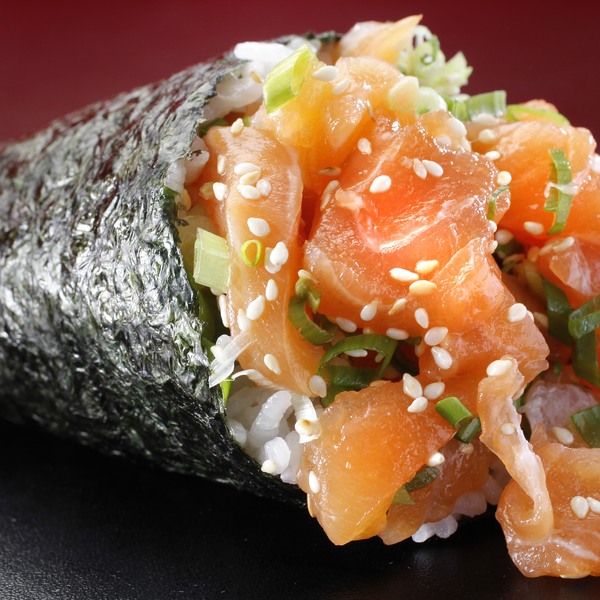
Another popular dish is wild salmon poke bowls. This dish is fresh and light, perfect for a warm summer day. The bowl features sushi salmon processed into small pieces, with vegetables and sauce all atop steamed rice.
Scallops and wild salmon can also be combined to create a flavorful and elegant dish. The two seafood favorites can be grilled or seared and served with a side of risotto or creamy polenta. The combination of rich and succulent scallops with the fatty and flavorful wild salmon is sure to impress diners and create a unique and memorable experience.
And of course New York delis are popular for their lox, or smoked salmon.
Informe de estadísticas para operadores de restaurantes
Consulta las estadísticas de operadores de restaurantes reales que pueden ayudarte a comparar la infraestructura tecnológica actual y planificada de tu restaurante con la de tus competidores de cara al 2024 y en adelante.
Start tracking salmon prices today
Salmon is a classic seafood option. It's versatility lends the fish multiple cuisine types and preparations. The prevalence of salmon on menus across the US makes it critical for operators serving it to consistently track and incorporate salmon prices into financial reports.
Tracking restaurant ingredient costs requires operators to have a strong back-of-house foundation built on invoice automation.
Invoices are the single source of truth for restaurant costs — pinpointing prices and fluctuations for individual ingredients as well as paper goods, non-alcoholic beverages, and more.
With accurate and up-to-date ingredient prices from invoices, operators can start calculating plate costs. Plate costing is a detailed exercise that zooms into the recipes and/or individual ingredients that make up a dish — requiring detailed recipe costs and portion costs for ingredients.
Costing exercises can help show how each component is contributing to the overall profitability of a dish or drink. And recipe costing software can help make it easier to calculate and achieve an ideal balance between portions and profits.
Related Restaurant Opening Resources
¿Es útil este artículo?
AVISO LEGAL: Esta información se proporciona solo con fines informativos generales y su publicación no constituye un aval. Toast no garantiza la precisión ni la integridad de la información, el texto, los gráficos, los enlaces y otros elementos que incluye este contenido. Toast no garantiza que alcanzarás ningún resultado específico si sigues los consejos que aparecen aquí. Te recomendamos consultar con un profesional, como un abogado, contador o asesor comercial, para recibir asesoramiento específico para tu situación.
 Tendencias


Suscribirse a On the line
Regístrate para recibir opiniones reales, consejos, herramientas e información específica del sector de la mano de quienes están abordando los desafíos más importantes para los restaurantes.
Al enviar, aceptas recibir correos electrónicos de marketing de Toast. Trataremos tu información de acuerdo con nuestra declaración de privacidad. Información adicional disponible para residentes de California aquí.