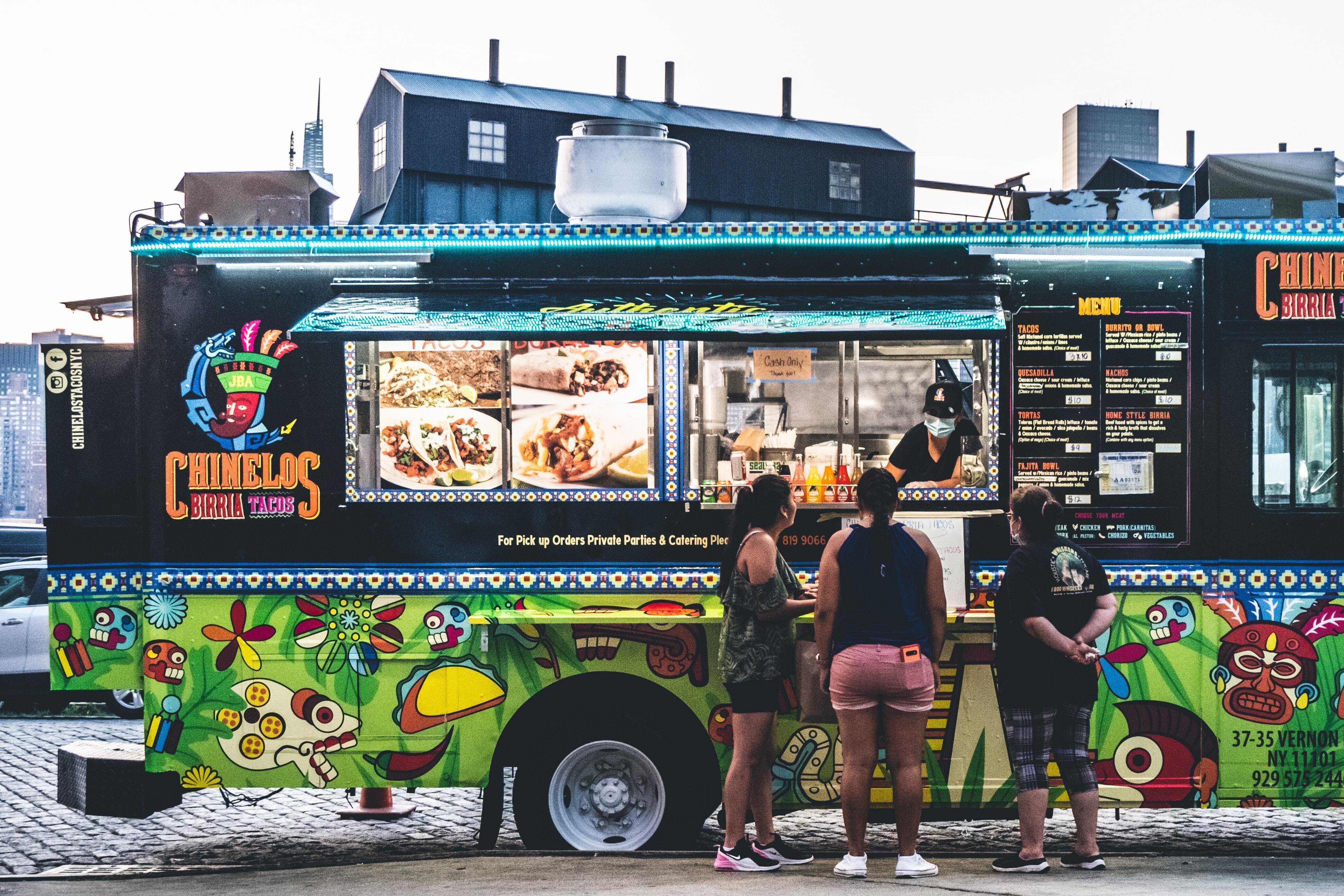
How to Design a Food Truck Floor Plan, Layout and Blueprint
Design your food truck's floor plans for maximum chill with this blueprint and floor plan guide.
Tyler MartinezAutor
 RECURSO
 Plantillas de planos de planta de restaurantes
Usa estas plantillas de planos de planta de restaurantes para inspirarte o como un mapa para orientarte. También puedes reimaginar el diseño y la configuración de los espacios de tu restaurante.
Obtener descarga gratis | Creado para restaurantes
Making use of limited space often presents a big challenge, especially with food truck kitchens. That’s why you must create an adaptable and accessible restaurant floor plan that supports an efficient flow of service.
With this guide, you can plan your food truck size and layout while also getting an idea of how to organize parking and outdoor spaces that guests will have to navigate. Thinking about these floor plan details can set your business up for long-term success!
Key Takeaways
Impact on Efficiency and Profitability: A well-designed floor plan can reduce waste, improve workflow, diminish bottlenecks, and maximize profitability.
Guest Experience: Give guests a convenient experience, keeping in mind special design elements, such as clear ordering areas and accessible seating, which contribute to the overall satisfaction of guests.
Employee Efficiency: Optimize employee movement into and inside the truck to improve productivity and reduce fatigue, offering smooth operations at peak times.
Permit Requirements: Compliance with local health and safety codes, zoning laws, and ADA requirements will prevent fines or delays in operations.
Floor Plan Elements: The main elements of a floor plan include an area for cooking, refrigeration, storage, and service, which are to be strategically located to assist in the smooth work process.
Design Options: Include flexible designs that can meet changes in menus or seasonal demands for long-term adaptability of the business.
Customer Experience: The ordering area should be highly visible and have minimal congestion, making it more convenient and increasing repeat visits.
Accessibility: Exceed compliance and engage with human-centered design to ensure a smooth environment for all customers, which includes those with disabilities.
Best Practices: Have layouts reviewed regularly and revised according to employee feedback and customer behavior to continually improve efficiency and satisfaction.
Reasoning for Clean Restrooms: If there are restrooms nearby, then cleanliness will greatly impact customer perceptions about your brand and dining experience.
Parking and Placement: High-visibility, high-traffic locations that align with your target market while providing adequate space for queuing and seating.
Plantillas de planos de planta de restaurantes
Usa estas plantillas de planos de planta de restaurantes para inspirarte o como un mapa para orientarte. También puedes reimaginar el diseño y la configuración de los espacios de tu restaurante.

What is a Food Truck Floor Plan?
A food truck floor plan is a map of your truck’s physical space. It lets you visualize the layout of the kitchen, prep, and service areas. For example, if you always park your truck in the same spot, you can design an outdoor seating area, as pictured below. This guide will help you use outdoor space to your advantage and ensure all your guests can access your truck no matter what.
A Food Truck floor plan should include:
Food trailer parking
Outdoor space
Prep areas
The kitchen
Dining and seating areas
Your food truck’s POS system and cashier stations
Dish area(s)
Doors
Windows
Emergency exits
Accurate measurements of the space
There are two options for designing a food truck layout: use software to design it yourself or work with a food truck interior design consultant or studio.
If you choose to do it yourself, floor plan design software comes preloaded with all the elements necessary to make detailed floor plans. SmartDraw, ConceptDraw, or CadPro are reliable software that can create a custom blueprint for your new food truck.
Hiring a consultant or design studio to help you bring your food truck vision to life is a great route too. The right designer will collaborate with you to develop a blueprint that reflects the aesthetic of your truck, refining the customer experience.
Accessibility Requirements for Food Truck Floor Plans
Your food truck will need to be accessible to all employees and guests. It will also need to follow all necessary safety codes. Use stairs, hand-rails, and other safety features to ensure your team can get in and out of the truck safely.
Another tip for easy access is parking your food truck in a spot where anyone can easily walk up to place an order. Consider the access route to your order queue from the nearest parking lot or the pedestrian traffic in an area.
Finally, take the extra time to incorporate human-centered design to create a beautiful, accessible space. As architect Justin Alpert says, accessibility is the bare minimum – think about how you might design a space that works for everyone, not just “the average customer.” This means designing your food truck and its outdoor space in a way that supports every customer, especially those with disabilities.
How to Create a Food Truck Blueprint and Floor Plan
Floor plans can be highly detailed, designed to meet permitting standards while reflecting your brand and aesthetic preferences. If you want to create your own floor plan, consider using one of these software tools that were mentioned above:
Floor Plan Software
Whether you’re creating your floor plan on your own or collaborating with a professional, be sure to follow these best practices.
Best Practices For Designing Your Food Truck Floor Plan
Design accessible spaces with your customers in mind. Consider your guest and employees' needs along with local regulations or codes when designing the floor plans for your food truck’s spaces.
Include ample space for your guests while they wait in line to order.
Create an intuitive ordering flow so that customers are not confused by how your food truck functions.
Factor in where your employees will be working, which is especially important for a small space like a food truck.
Identify where POS systems will live. Their location is critical so that cashiers and the kitchen can communicate efficiently.
Consider how the floor plan works for the theme of your food truck.
1. Kitchen Floor Plan
Designing a food truck kitchen might seem like a simple task. But, it takes skill to fit all of the cooking equipment needed, like freezers, deep fryers, and grills/ovens, to run a restaurant into a 100-square-foot truck. The commercial kitchen space, as with any restaurant, is the primary concern. Therefore, your job is to optimize the space in your truck so that your employees can prep and cook your menu efficiently with a streamlined workflow.
Plan your food truck’s mobile kitchen carefully so that employees aren’t too cramped. Focus on the actual humans that have to use the workspace when you’re designing the layout of the kitchen and prep tables. This approach includes allocating storage space for personal items to be stored.
Plantillas de planos de planta de restaurantes
Usa estas plantillas de planos de planta de restaurantes para inspirarte o como un mapa para orientarte. También puedes reimaginar el diseño y la configuración de los espacios de tu restaurante.
2. Ordering and Seating Area Plan
Depending on your plans for parking your food truck, you may or may not have reliable access to an area for seating or even ordering. Wherever you park your food truck, think about how your customers will access your ordering service window.
Leave the area in front of your ordering window as open as possible so people can gather to look at your menu and wait to place or pick up orders. The goal is to avoid crowding and confusion. Also, research the local food truck culture to discover a little more about what customers expect and what your competition is. This research will give you an edge on how to design your food truck floor plan for success.
Every detail of the customer experience matters, from ordering to receiving their meal. A well-thought-out process—such as allowing orders through an app or creating an engaging waiting area—can differentiate your food truck from competitors. Investigating each step of customer interaction helps refine the overall experience.
Will Hodgskiss
CEO of Venture Food Trucks
3. Outdoor Seating Floor Plan
If you have the luck of a more or less permanent parking spot for your food truck, make the most out of the opportunity by providing customers with seating.
If possible, aim to operate your food truck in open spaces where there’s room to set up seating for your customers. Providing a comfortable area for people to sit and enjoy their meals can enhance their experience and encourage repeat visits.
Offering guests more space is always a great idea. Spacing tables further apart and creating wide lanes for traffic will make your food truck more accessible to those with disabilities. Plus, a study by Cornell University’s School of Hotel Administration found that guests are more generous with their spending if they have more personal space.
4. Cashier and POS Station Floor Plan
The POS station is the center of your food truck – it's how your cashier will keep track of orders during service and how you will keep track of inventory and sales every day. Carefully consider where you place the POS station in the work stations of your food truck so that your employees can access it and comfortably take orders.
How to Choose a Food Truck Floor Plan
Once you craft your food truck’s detailed blueprints and floor plans, it's time to turn them into a reality. From plumbers to architects to electricians, there are plenty of professionals who can support you in building the truck of your dreams.
The first step in executing your food truck floor plan is to work with city, county, and state officials for all the proper permits for your truck. These permits deal with everything, from operations to parking. If you can, maintain good working relationships with the employees in the permit office – they will be sure that your blueprints and any changes get approved on time.
Electricians, plumbers, and even current food truck owners can also be excellent resources for your food truck. They can give you practical advice on where to place kitchen sinks, refrigeration, countertops, and more so that you prevent technical difficulties during service.
Map it Out and Change it Up
This food truck floor plan guide may remind you of all the work you’ve got to do. Don’t worry - your food truck dreams are worth it! With your creativity and passion leading the way, designing your food truck plan will be more fun than you think. Soon enough, you’ll be full force in your food truck frenzy, tending to all the excited customers outside your truck.
Related Food Truck Resources
Food Truck POS Comparison Tool
A free, customizable Food Truck POS Comparison Tool to research and compare point of sale systems in one Excel spreadsheet or editable PDF.
¿Es útil este artículo?
AVISO LEGAL: Esta información se proporciona solo con fines informativos generales y su publicación no constituye un aval. Toast no garantiza la precisión ni la integridad de la información, el texto, los gráficos, los enlaces y otros elementos que incluye este contenido. Toast no garantiza que alcanzarás ningún resultado específico si sigues los consejos que aparecen aquí. Te recomendamos consultar con un profesional, como un abogado, contador o asesor comercial, para recibir asesoramiento específico para tu situación.
Suscribirse a On the line
Regístrate para recibir opiniones reales, consejos, herramientas e información específica del sector de la mano de quienes están abordando los desafíos más importantes para los restaurantes.
Al enviar, aceptas recibir correos electrónicos de marketing de Toast. Trataremos tu información de acuerdo con nuestra declaración de privacidad. Información adicional disponible para residentes de California aquí.