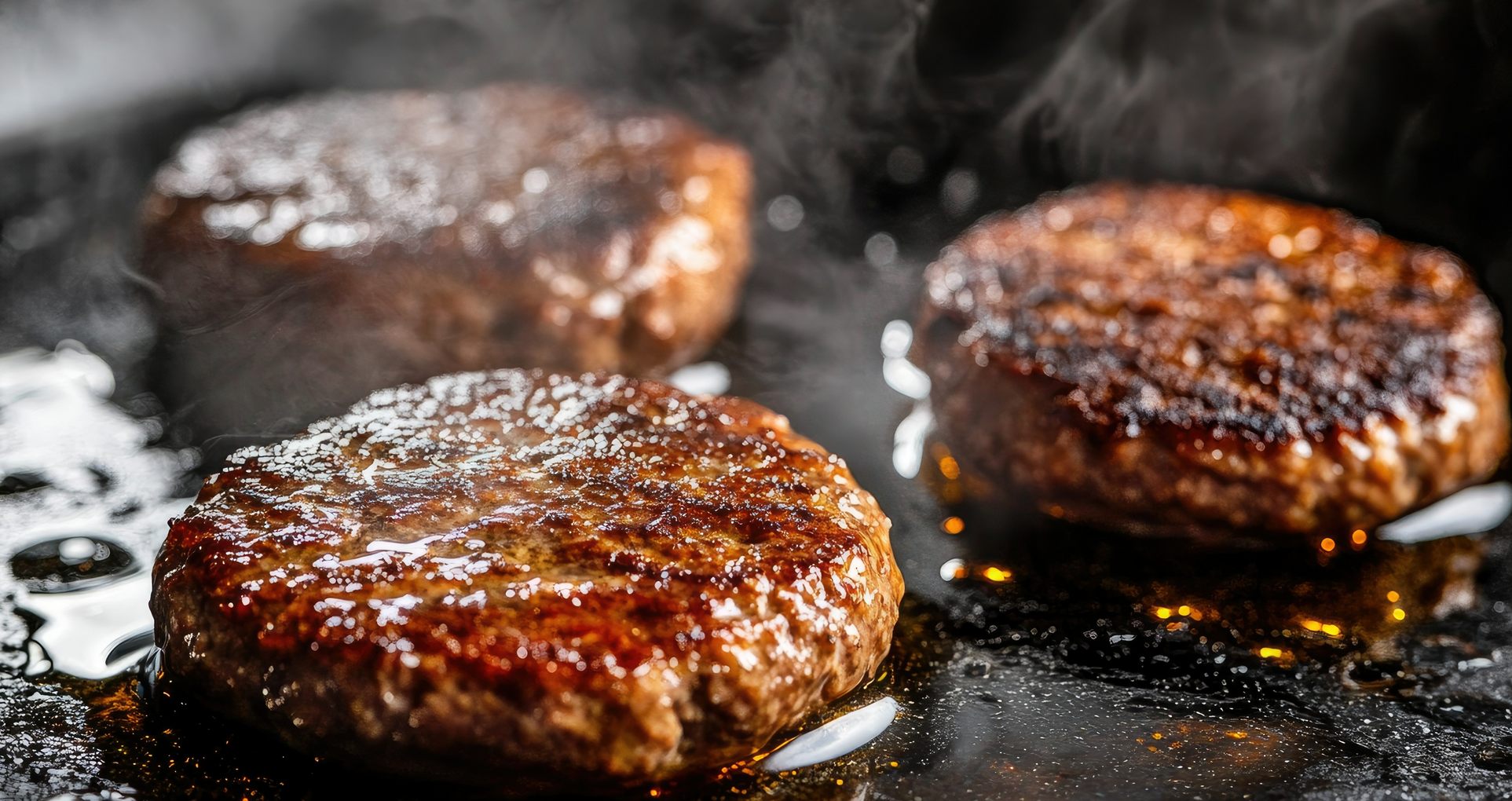
Why is Beef so Expensive: Understanding Restaurant Cost Pressures in 2025
Aislinn CokerAuthor
 RESOURCE
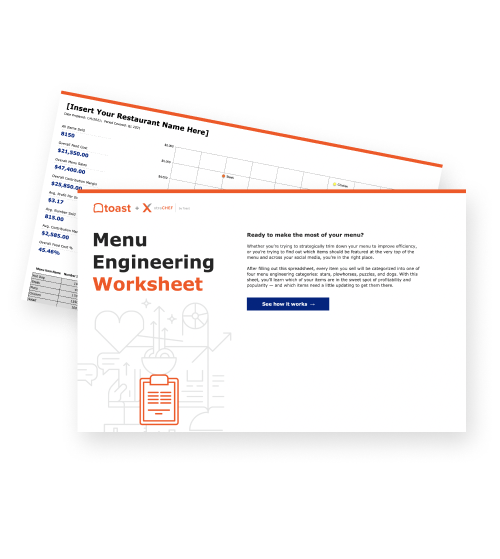
 Menu Engineering Worksheet
Use this menu engineering worksheet, complete with intricate menu engineering formulas, to determine areas of strength and weakness in your restaurant's menu.
Get Free Download | Built for Restaurants
Beef prices have reached unprecedented levels in 2025, creating significant financial pressure for restaurant operators nationwide. The average American is expected to consume 59.1 pounds of beef in 2025 — compared with 102.5 pounds of chicken and 50.3 pounds of pork, yet demand outstripping supply has resulted in higher costs throughout the supply chain—including for meat processing companies, the restaurant industry, and consumers. This supply-demand imbalance forces restaurants to navigate complex pricing decisions that directly impact profitability and customer satisfaction.
In this article, we’ll explain why beef prices are so expensive, how these costs affect restaurant operators, and the long-term outlook for beef costs in the restaurant industry.
Menu Engineering Worksheet
Use this menu engineering worksheet, complete with intricate menu engineering formulas, to determine areas of strength and weakness in your restaurant's menu.

Current beef price trends affecting restaurant operations
Restaurant operators face mounting pressure as hamburger meat prices on the wholesale level were up nearly 21% compared to the same month 10 years ago in July, according to federal data. This dramatic increase reflects broader market conditions that continue challenging restaurant profitability across all segments.
While the price of burgers has been increasing, it has not kept pace with the surge in ground beef prices in recent months. The flat month-over-month change for burgers suggests that restaurants may be absorbing some of the rising beef costs to maintain price stability for their customers. This strategy protects customer relationships, but significantly impacts profit margins.
Restaurant executives are closely monitoring these trends, as commodity inflation is expected to increase by 2% to 3% compared to last fiscal year, with beef representing one of the most volatile commodities in restaurant supply chains.
Supply chain disruptions driving beef cost increases
Multiple factors contribute to current beef price pressures affecting restaurant operations. Droughts in North America have forced many cattle producers to reduce their herds, resulting in tighter supplies, creating a foundational supply shortage that impacts the entire food service industry.
The beef supply chain faces unprecedented challenges including:
Cattle herd reduction: Cattle herds have been shrinking over the last few decades. They dropped another 1% from 2024 to 2025
Climate impact: Extended drought conditions forcing producers to sell cattle early
Capital constraints: Higher food costs, elevated interest rates—crucial for the capital-intensive cattle industry
Processing capacity: Limited expansion in beef processing facilities
Feed costs: Increased grain and feed prices affecting cattle operations
Restaurant operators of all sizes can help protect and encourage menu profitability by being vigilant with food supply chain trends and adapting to ingredient price fluctuations, making supply chain monitoring essential for successful operations.
How restaurants manage beef pricing strategies
Restaurant operators must balance maintaining customer loyalty with preserving profit margins amid rising beef costs. A restaurant menu pricing strategy can be a critical tool to help operators be more intentional about their restaurant profit margins. Effective pricing strategies include:
Menu engineering: Repositioning beef items to optimize profit margins
Portion control: Adjusting serving sizes to maintain price points
Alternative proteins: Introducing chicken, pork, or plant-based options
Premium positioning: Emphasizing quality to justify higher prices
Limited-time offers: Managing customer expectations with strategic promotions
In a recent survey, Toast found 68% of guests are more likely to book a reservation if a restaurant offers a limited-time food special. Building and implementing a restaurant menu pricing strategy that's rooted in profitability becomes critical when dealing with high-volatility ingredients like beef.
Economic factors influencing restaurant beef costs
The broader economic environment significantly impacts beef pricing in restaurant settings. A series of shocks to the food supply chain between January 2020 and January 2023 resulted in inflation peaking near 10 percent in 2022. U.S. food price increases have since tapered off, growing by 5.8 percent in 2023 and 2.3 percent in 2024.
However, beef prices continue experiencing volatility beyond general food inflation rates. Food-at-home prices are predicted to increase by 2.2 percent in 2025, slower than the 20-year historical average rate of price increase (2.6 percent), yet beef specifically faces additional pressures from supply constraints and production challenges.
Restaurant operators must navigate these economic realities while maintaining competitive positioning and customer satisfaction metrics that drive long-term success.
Labor and processing costs impacting beef prices
Beyond raw commodity costs, restaurants face additional expenses related to beef preparation and service. Processing facilities operate with limited capacity, creating bottlenecks that increase costs throughout the supply chain affecting restaurant purchasing.
Labor-intensive beef preparation requires skilled kitchen staff capable of proper handling, storage, and cooking techniques. These operational requirements add significant costs beyond the raw ingredient price, particularly for restaurants emphasizing fresh, high-quality beef preparations.
Quality control requirements for beef service demand additional training, equipment, and monitoring systems that increase operational complexity and associated costs for restaurant operations.
Regional variations in restaurant beef pricing
Geographic location significantly impacts beef costs for restaurant operations. Transportation expenses, regional supply chain networks, and local market conditions create pricing variations that affect restaurant profitability differently across markets.
Restaurants in areas with limited beef processing facilities face higher transportation costs and reduced supplier competition, leading to elevated prices that must be reflected in menu pricing strategies.
Urban markets often experience higher beef costs due to increased real estate expenses, labor costs, and regulatory requirements that compound the base commodity price increases affecting restaurant operations.
Consumer behavior shifts affecting beef demand
Restaurant operators must understand changing consumer preferences that influence beef demand and pricing dynamics. The factors behind current food prices reflect genuine economic pressures rather than any single cause, and consumer adaptation to higher prices affects restaurant sales patterns.
Price-sensitive consumers increasingly choose alternative proteins or reduce dining frequency when beef prices rise significantly. This behavioral shift requires restaurants to carefully balance pricing strategies with customer retention objectives.
Premium dining segments may experience less price sensitivity, allowing restaurants to maintain higher beef prices while casual dining operators face greater pressure to absorb cost increases to maintain customer traffic.
Technology solutions for beef cost management
Modern restaurant operations leverage technology to optimize beef inventory management and control costs effectively. Advanced inventory systems provide real-time visibility into usage patterns, waste reduction opportunities, and pricing optimization strategies.
Predictive analytics help restaurants anticipate beef price fluctuations and adjust purchasing strategies accordingly. These systems enable proactive menu planning and pricing adjustments that maintain profitability despite commodity volatility.
Integrating a point-of-sale system provides detailed analytics on beef item performance, allowing restaurants to identify high-margin opportunities and optimize menu mix for maximum profitability during periods of elevated beef costs.
Long-term outlook for restaurant beef costs
Industry analysts expect beef price pressures to continue affecting restaurant operations throughout 2025 and potentially beyond. Analysts predict that per capita beef supplies in 2025 will be 58.8 pounds, a dip from an estimated 59.6 pounds in 2024, indicating continued supply constraints.
Beef cow inventories are likely to be slightly lower to begin 2025. However, there are indications of a modest increase in heifer retention to close out 2024 as stout cow-calf margins are sending a strong signal to expand. This suggests potential relief in future years, but not immediate resolution for current cost pressures.
Restaurant operators must develop long-term strategies that account for sustained beef price volatility while maintaining competitive positioning and customer satisfaction objectives essential for business success.
Operational strategies for managing high beef costs
Successful restaurant operations implement comprehensive strategies to manage elevated beef costs while maintaining service quality and customer satisfaction. Menu diversification reduces dependence on high-cost beef items while providing customers with value-driven alternatives.
Strategic partnerships with suppliers can provide better pricing stability and supply security during periods of market volatility. Volume commitments and long-term contracts help restaurants manage cost fluctuations more effectively.
Staff training programs ensure efficient beef utilization, proper storage procedures, and waste reduction techniques that maximize value from expensive ingredient investments.
Alternative protein integration strategies
Restaurants increasingly incorporate alternative proteins to provide customers with options during periods of elevated beef costs. Chicken, pork, and plant-based alternatives offer menu diversity while managing food costs more effectively.
Creative menu development highlights these alternatives without diminishing the overall dining experience. Successful restaurants position alternative proteins as premium options rather than cost-cutting measures, maintaining customer perception and satisfaction levels.
Cross-utilization strategies allow restaurants to use similar cooking methods and flavor profiles across different proteins, reducing kitchen complexity while providing cost management flexibility.
Customer communication about pricing changes
Transparent communication is key and helps restaurants manage customer expectations during periods of significant price increases. According to Toast data, approximately 70% of respondents prefer restaurants to communicate with them when they’re raising their prices. Tell your customers when you’re raising your prices and explain why. Being transparent goes a long way.
Value proposition messaging emphasizes quality, sourcing, and preparation methods that justify premium pricing for beef items. This positioning helps customers understand the relationship between cost and quality in restaurant offerings.
Menu design strategies can highlight alternative options while maintaining beef availability for customers willing to pay premium prices, balancing revenue optimization with customer choice preservation.
Frequently asked questions
Why are beef prices higher in restaurants than grocery stores? Restaurant beef costs include additional expenses beyond the raw commodity price, including labor for preparation, storage requirements, waste management, and profit margins. Restaurants also typically use higher-grade cuts and implement quality control procedures that increase overall costs.
How long will high beef prices last for restaurants? Industry analysts expect elevated beef prices to continue through 2025 due to ongoing supply constraints from reduced cattle herds. Recovery depends on herd rebuilding, which typically takes several years to impact market supplies significantly.
What can restaurants do to manage rising beef costs? Restaurants can implement portion control, menu engineering, alternative protein offerings, strategic supplier partnerships, and technology solutions for inventory optimization. Some operators absorb costs short-term to maintain customer relationships while others adjust pricing strategically.
Are some types of beef more affected by price increases than others? Ground beef and lower-grade cuts often show the most dramatic price increases due to high demand and supply constraints. Premium steaks and specialty cuts may experience different pricing dynamics based on their specific market segments and customer price sensitivity.
How do beef price increases compare to other protein options? Beef prices have increased more dramatically than chicken or pork alternatives, making menu diversification an important strategy for managing food costs. Alternative proteins provide restaurants with options to maintain profitability while offering customers various price points.
Is this article helpful?
DISCLAIMER: This information is provided for general informational purposes only, and publication does not constitute an endorsement. Toast does not warrant the accuracy or completeness of any information, text, graphics, links, or other items contained within this content. Toast does not guarantee you will achieve any specific results if you follow any advice herein. It may be advisable for you to consult with a professional such as a lawyer, accountant, or business advisor for advice specific to your situation.
 Trending

Subscribe to On the line
Sign up to get industry intel, advice, tools, and honest takes from real people tackling their restaurants’ greatest challenges.
By submitting, you agree to receive marketing emails from Toast. We’ll handle your info according to our privacy statement. Additional information for California residents available here.