Most Profitable Food to Sell: High-Margin Menu Items that Maximize Revenue
Discover the most profitable food to sell and learn how to build a high-margin restaurant menu that maximizes revenue and boosts long-term success.
Aiden ToborAuthor
 RESOURCE
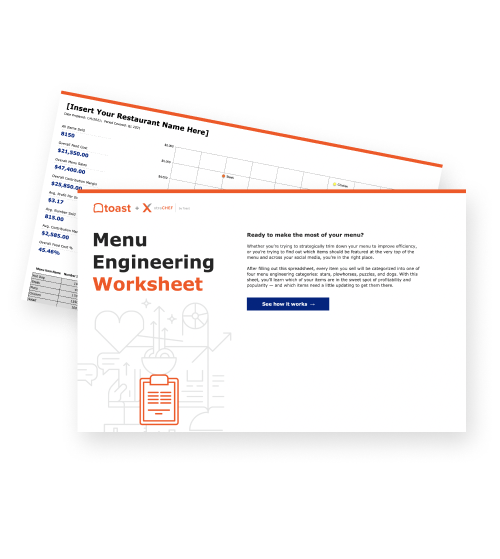
 Menu Engineering Worksheet
Use this menu engineering worksheet, complete with intricate menu engineering formulas, to determine areas of strength and weakness in your restaurant's menu.
Get Free Download | Built for Restaurants
Selecting the most profitable food to sell can make or break your restaurant’s bottom line. In an industry where average profit margins hover between 3% to 5%, understanding which menu items deliver the highest returns is essential for long-term success. Smart operators focus on foods that combine low ingredient costs, efficient preparation, and high perceived value, generating substantial profit margins while meeting customer demand. The right menu choices don’t just pad your bottom line — they shape your entire business strategy.
From classic comfort foods to high-markup beverages, the most profitable items tend to share a few traits: affordable ingredients, strong customer appeal, and operational simplicity that makes them easy to scale and sell.
Key takeaways
High-margin foods typically offer 60% to 75% profit margins
Pizza, burgers, and fried items dominate profitability rankings
Beverage sales can significantly boost overall restaurant profits
Strategic menu engineering maximizes both popularity and profitability
Understanding food costs and pricing strategy ensures sustainable success
Understanding profit margin fundamentals
Successful food service operators master the relationship between food costs, pricing, and volume to maximize profitability.
Restaurant Cost Control Guide
Use this guide to learn more about your restaurant costs, how to track them, and steps you can take to help maximize your profitability.

Gross profit benchmarks
On average, gross profit hovers around 70%, meaning that for every $100 a guest spends at your establishment, $70 is gross profit.
What is a high-profit margin?
A high-profit margin typically starts around 60% and up, with exceptional items reaching 75% or higher. To calculate profit margin:
Subtract total ingredient costs from the menu price
Divide the result by the menu price
For example, a dish that costs $3 to make and sells for $12 has a 75% margin.
Why food cost percentage matters
Operators aim for food costs between 20% to 30% of the menu price. Lower food costs leave more room for:
Labor
Overhead
Profit
The role of volume
High-margin items only drive profit if customers actually order them. Some items may have slightly lower margins but fly off the shelves, making them more profitable overall. The combination of margin and velocity determines the total contribution to the bottom line.
Top high-margin food categories
These food categories consistently deliver exceptional profit margins across different restaurant types, making them essential components of profitable menus.
Pizza: The profit champion
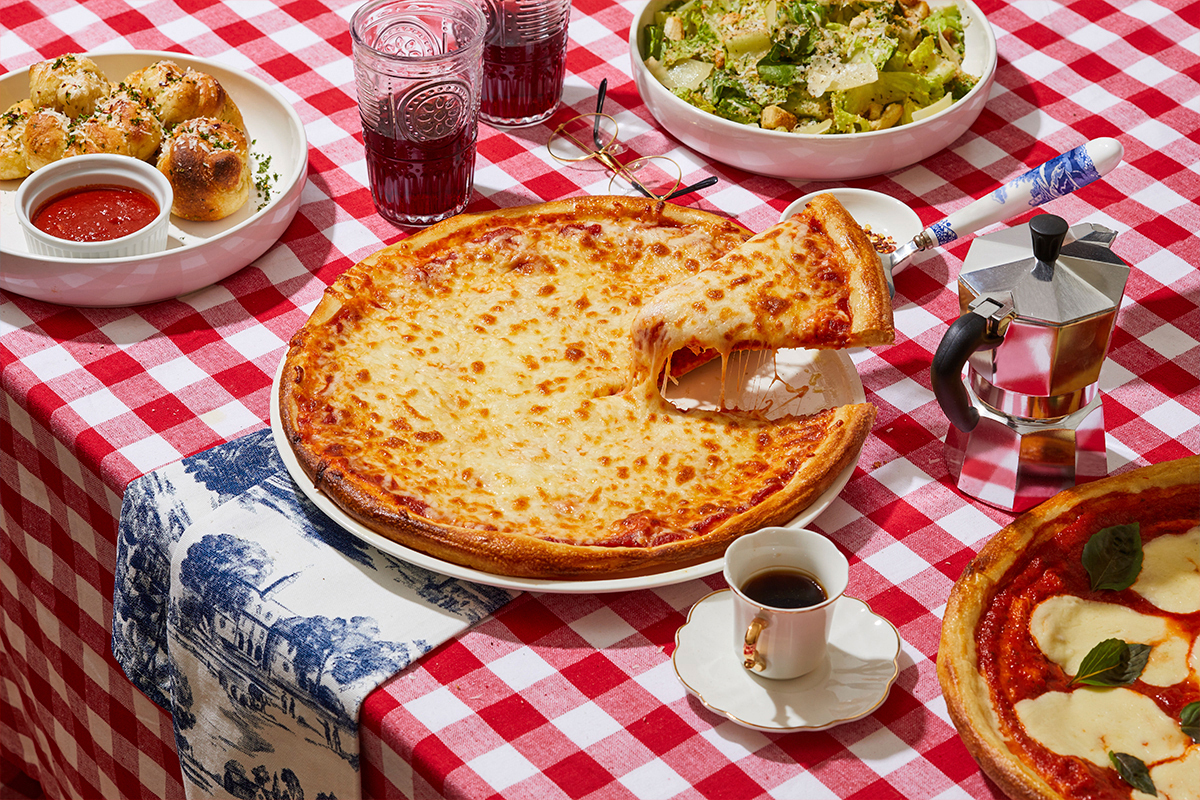
Pizza is one of the most profitable foods you can serve. It's versatile, universally loved, and built on cost-effective ingredients like dough, sauce, and cheese. With endless topping combinations, pizza appeals to a broad customer base while allowing operators to control food costs.
What makes pizza so profitable:
Low ingredient costs: Typically $3 to $4 per pie
High menu prices: Sells for $15 to $25, creating 70% to 85% profit margins
Flexible and scalable: Works across casual to upscale formats
High perceived value: Customers are willing to pay more for customization and quality
Chains like MOD Pizza keep ingredient costs low with standardized prep but boost margins by offering customizable options that customers perceive as premium.
Burgers: America's profitable favorite
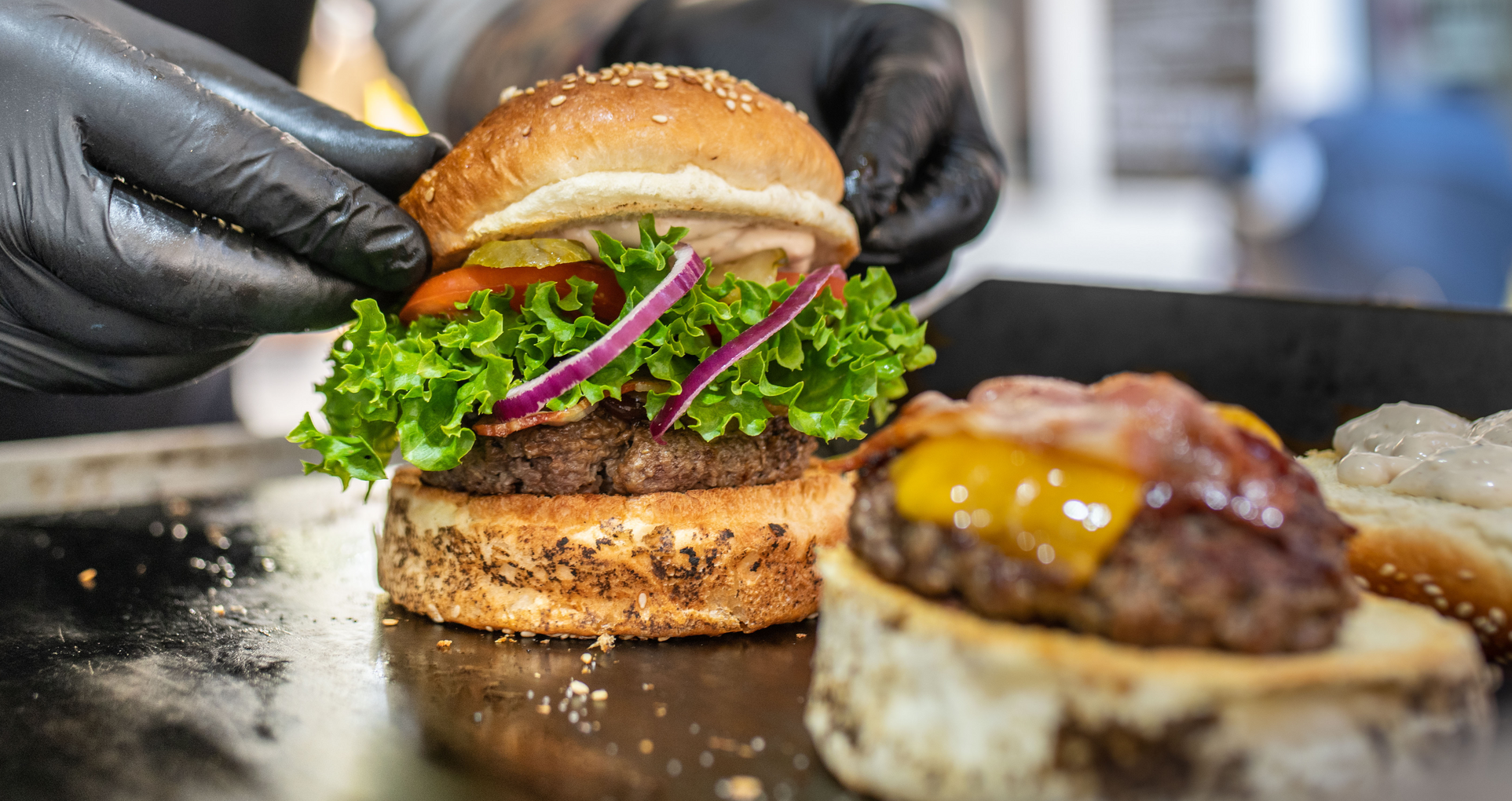
Burgers remain a staple of American dining — and a consistent winner on the profit margin front. With low base costs and limitless customization, burgers give operators room to get creative while driving strong returns.
What makes it profitable:
Low food costs: Ground beef and buns average just 20% to 30% of the menu price
Strong demand: Burger sales jumped 15% in 2024
High markups: Specialty burgers often exceed markups of 300%
Add-on flexibility: Premium toppings and condiments increase both perceived value and profit margin
Brands like Shake Shack demonstrate how gourmet toppings and branding can push average burger prices above $9 while keeping ingredient costs low.
Fried foods: Maximum margin magic
Fried foods consistently rank among the highest-margin items on any menu. From fries to onion rings to crispy appetizers, these items turn low-cost ingredients into high-value offerings through the magic of texture, flavor, and comfort appeal.
What makes it profitable:
Extremely low ingredient costs: Often just flour, fat, and liquid
High margins: Fried appetizers can deliver 75% profit margins
Premium pricing: Simple ingredients command higher prices when fried
Universal appeal: Popular across restaurant types and customer segments
At Buffalo Wild Wings, fried appetizers like mozzarella sticks and onion rings are priced for profit, costing less than $1 to make but selling for $6 to $9.
Strategic menu categories
Beyond individual items, certain food categories offer consistent profitability advantages across different restaurant formats and customer segments. These dishes combine low costs with strong customer appeal, making them reliable margin builders.
Pasta dishes
Pasta delivers dependable profits thanks to inexpensive base ingredients and endless opportunities for creative presentation. Specialty pasta dishes can command premium prices while keeping costs low.
What makes it profitable:
High margins: Typically yield 65% to 70% profit margins
Low-cost ingredients: Pasta is cheap to produce at scale
Premium pricing potential: Specialty dishes can sell for up to $30
Visual appeal: Sophisticated plating and sauces justify higher prices
At Olive Garden, popular dishes like Fettuccine Alfredo cost just a few dollars in ingredients but sell for over $15, with consistent volume driving profit.
Breakfast items
Breakfast foods are a quiet powerhouse when it comes to profitability. Whether served in diners, cafés, or food trucks, these dishes combine low ingredient costs, quick prep, and all-day customer appeal.
What makes it profitable:
Low-cost ingredients: Staples like eggs, flour, and basic proteins are inexpensive
Minimal labor: Quick to prep and cook
High demand: Strong appetite for comfort food, especially during brunch hours
Versatile appeal: Profitable when served all day, not just in the morning
Chains like IHOP build their business around low-cost, high-margin breakfast staples — pancakes, eggs, and hash browns — which can be sold profitably all day long.
Restaurant Metrics Calculator
Use this free calculator to calculate the key restaurant metrics needed to understand the health and success of your business.
Soups and stews
Soups and stews are powerful profit drivers. Their flexibility and efficiency make them ideal for managing costs while offering hearty, satisfying options to customers.
What makes it profitable:
Bulk prep efficiency: Large batches reduce labor demands
Low-cost ingredients: Often made with scraps, trimmings, or inexpensive cuts
Ingredient stretch: Easily scaled with broth, grains, or legumes
High margins: Can exceed 70% profit margins with portion control
Panera Bread generates strong margins on soups made in bulk off-site, then reheated in-store and served at premium prices, illustrating the profitability of centralized prep with low-cost ingredients.
Beverage profit powerhouses
Beverages often deliver the highest profit margins in the industry. Whether alcoholic or non-alcoholic, drinks play a critical role in maximizing check averages and overall restaurant profitability.
Alcoholic beverages
Alcohol sales are the crown jewel of restaurant profitability. With low pour costs and high customer demand, bars and restaurants can generate substantial margins from beer, wine, and cocktails.
What makes it profitable:
High margins: Average bar profit margins reach 78% to 80%
Low pour cost: Typically between 18% to 24%
Premium pricing: Wine and cocktails sell at a premium
Minimal prep: Faster to serve than most food items
At Chili’s and similar casual dining chains, alcohol contributes outsized profits — despite being a smaller percentage of sales — due to high markups and low labor costs.
Coffee and specialty drinks
Coffee and specialty beverages are consistent profit drivers across cafés, restaurants, and quick-service operations. With low ingredient costs and high perceived value, they deliver strong margins with minimal overhead.
What makes it profitable:
Extremely low per-serving costs: Coffee beans, milk, and syrups are inexpensive
Premium pricing: Customers are willing to pay for craft and specialty drinks
Minimal labor: Quick prep with low staffing requirements
Equipment efficiency: Requires a relatively simple setup for high return
Starbucks earns an estimated 80%+ gross margin on most coffee drinks, making it a model for maximizing profitability through branding and customization.
Menu engineering strategies
Smart restaurants use strategic menu design to maximize profit while keeping customers happy and operations running smoothly. Menu engineering helps you identify which items to promote, adjust, or remove based on both margin and popularity.
The star system approach
One proven tactic is the star system, which classifies menu items based on their profitability and popularity. This framework helps operators make informed decisions about pricing, placement, and promotion.
Menu categories:
Stars: High profit, high popularity — keep and promote
Workhorses: Low profit, high popularity — streamline prep or raise prices
Puzzles: High profit, low popularity — consider rebranding or repositioning
Dogs: Low profit, low popularity — consider removing from the menu
As Michael Evan Schatzberg, a restaurant operations specialist, explains, “Simplicity equates to scalability, low labour costs, consistent product, lower COGS and less food waste. Creating a fun and flavorful menu is easy, but profitable, operable, and scalable is a different story.”
This approach emphasizes the power of a focused, data-driven menu, not just for creativity, but for consistent performance across your operation.
Strategic pricing psychology
How you price — and where you place — items on your menu can have a major impact on profitability. Strategic design helps guide customer decisions toward your most profitable offerings.
What makes it profitable:
Menu placement matters: The upper right corner is prime real estate — place high-margin items there to catch the eye
Perceived value: Customers often link higher prices with higher quality
Premium pricing: Allows you to charge more for well-positioned, thoughtfully described dishes
By combining thoughtful layout with pricing cues, you can increase check averages and drive sales of high-margin items.
Cost control and optimization
Maximizing profitability isn’t just about pricing — it’s about precision. Controlling costs, managing portions, and streamlining operations are essential to protecting margins across every part of your business.
Invoice management and tracking
Keeping tabs on food costs starts with smart invoice tracking. Automated tools built for restaurants can help operators stay on top of fluctuating prices and make real-time decisions.
What makes it profitable:
Real-time tracking: Monitor price changes week over week
Automation: Reduces manual errors and saves time
Informed adjustments: Allows for pricing and portion tweaks to maintain margins
Waste reduction strategies
Food waste quietly erodes profits. Reducing it isn't just good for the planet — it’s good for your bottom line. Restaurants that actively cut waste see margins 3.3% higher than those that don’t.
What makes it profitable:
Inventory management: Track stock to avoid spoilage and over-ordering
Creative menu planning: Repurpose surplus or perishable ingredients
Smart storage: Extend shelf life with proper handling techniques
Environmental impact: Reducing waste aligns with sustainability goals and customer values
Implementation tactics for maximum profitability
Profitability isn’t just about what you serve — it’s how you serve it. The most successful restaurants align high-margin items with what guests want and what the kitchen can consistently deliver.
Plate costing analysis
Understanding true profitability starts with knowing your numbers. Plate costing gives operators a detailed view of each dish’s performance by accounting for every component on the plate.
What makes it profitable:
Full visibility: Breaks down costs by recipe, portion, and ingredients
Informed pricing: Reveals whether prices align with target margins
Strategic decisions: Identifies which dishes to promote, revise, or remove
Seasonal and limited-time strategies
Limited-time and seasonal menu items can boost profits while keeping offerings fresh and exciting. They create urgency for customers and flexibility for operators.
What makes it profitable:
Built-in urgency: Encourages quicker purchasing decisions
Low commitment: Test high-margin items without permanent menu space
Cost-effective ingredients: Seasonal produce is often cheaper and more flavorful
Premium pricing: Customers will pay more for novelty and perceived exclusivity
Staff training for upselling
Your front-of-house team plays a key role in boosting profits. Well-trained servers can subtly steer guests toward high-margin items and add-ons, increasing revenue without sacrificing the guest experience.
What makes it profitable:
Higher check averages: Upselling boosts revenue per guest
Premium upgrades: Suggesting add-ons or substitutions increases margins
Guest experience: When done right, upselling feels helpful, not pushy
Consistency: Trained staff apply these tactics across every shift
Training Manual Template
Use this restaurant training manual template, a customizable Word Doc, to provide your staff with the rules, guidelines, and clarity they need to do their jobs efficiently.
Building sustainable profit strategies
Long-term success in the restaurant industry depends on more than quick wins. Operators must balance profitability with guest satisfaction and operational sustainability to stay competitive.
What makes it sustainable:
Menu harmony: Combine customer favorites with high-margin items
Smart ingredient selection: Choose versatile, cost-effective components
Strategic pricing: Align prices with perceived value and actual costs
Operational consistency: Ensure processes support profitability across shifts
Focusing on proven profit drivers — like pizza, burgers, fried foods, and beverages — while applying disciplined pricing and cost strategies gives restaurants a clear path to long-term growth.
Final thoughts
Profitability isn’t just about raising prices — it’s about making smart, strategic decisions across your menu. By focusing on high-margin categories, optimizing operations, and training your staff to upsell with care, you can build a menu that supports both strong revenue and guest satisfaction.
Whether you're running a food truck, a full-service restaurant, or something in between, the most profitable foods to sell are those that balance cost, appeal, and efficiency. With the right mix of planning and execution, your menu can become a powerful engine for sustainable success.
Frequently asked questions
What foods have the highest profit margins?
Fried appetizers typically deliver 75% profit margins — among the highest in your kitchen, followed by pizza, alcoholic beverages, and specialty coffee drinks.
What is considered a good profit margin for food?
Generally, a high-profit margin starts for food items around 60% and up, though exceptional items can reach 75% or higher.
How do I calculate food profit margins?
Subtract total ingredient costs from the menu price, then divide by the menu price. For example, if a dish costs $3 to make and sells for $12, the profit margin is ($12-$3)/$12 = 75%.
What's the most profitable restaurant type?
In the restaurant business, bars have the highest profit margins, with average bar profit margins of 78% to 80% due to high beverage markups.
Should I only serve high-profit foods?
No. Restaurant operators have to harmonize menu item popularity and cuisine appeal with the most profitable restaurant foods. Balance high-margin items with customer favorites to maintain satisfaction and sales volume.


Is this article helpful?
DISCLAIMER: This information is provided for general informational purposes only, and publication does not constitute an endorsement. Toast does not warrant the accuracy or completeness of any information, text, graphics, links, or other items contained within this content. Toast does not guarantee you will achieve any specific results if you follow any advice herein. It may be advisable for you to consult with a professional such as a lawyer, accountant, or business advisor for advice specific to your situation.
 Trending
Subscribe to On the line
Sign up to get industry intel, advice, tools, and honest takes from real people tackling their restaurants’ greatest challenges.
By submitting, you agree to receive marketing emails from Toast. We’ll handle your info according to our privacy statement. Additional information for California residents available here.