
Menu Innovation: 6 Ways To Keep Your Menu Fresh & Creative
Menu innovation is key to keeping your offerings fresh and relevant. Discover why it matters and six ways to innovate your restaurant’s menu.

Jim McCormickAuthor
 RESOURCE
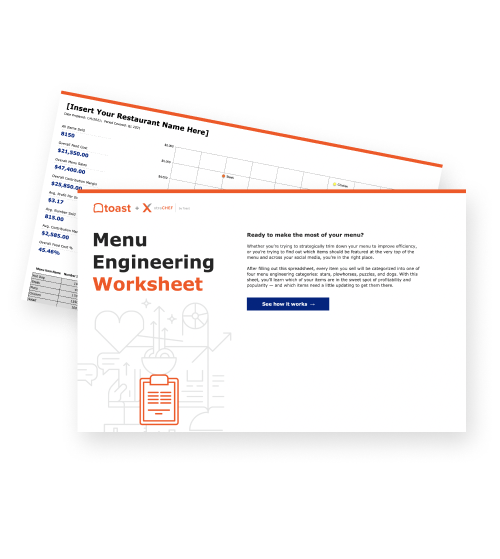
 Menu Engineering Worksheet
Use this menu engineering worksheet, complete with intricate menu engineering formulas, to determine areas of strength and weakness in your restaurant's menu.
Get Free Download | Built for Restaurants
Today’s diners expect more than great food — they want creativity, variety, and a sense of connection to what’s on the plate. That’s why keeping your menu fresh isn’t just good practice — it’s essential to staying relevant.
Menu innovation helps restaurants do more than follow trends. It builds a stronger brand identity, improves profitability, and turns casual visitors into loyal regulars. In this guide, you’ll learn how to bring new energy to your menu so your restaurant can continue evolving — and keep guests coming back.
Key takeaways
A strong menu balances creativity with strategy — it’s both an art and a business tool.
Staying current with food trends keeps your restaurant relevant and guests excited.
Smart menu design and data-driven decisions can boost profit without sacrificing quality.
Sustainability and storytelling build trust and help your brand stand out.
Collaboration and seasonal updates keep your menu — and your team — inspired year-round.
Restaurant Menu Templates
Use these menu templates as a starting point for your menu design or to give your menus a refresh.

Why is menu innovation important?
Your menu is one of the most powerful tools for shaping your restaurant’s brand, identity, and profitability. It’s where creativity meets business strategy — and where guests form lasting impressions.
Keeping your menu fresh shows diners you’re tuned into what they want, while giving your team the flexibility to respond to changing costs and trends. Here’s why menu innovation matters:
Defines your brand and guest experience: Every dish communicates your restaurant’s story and values.
Drives excitement and loyalty: New ideas keep regulars coming back and attract curious new guests.
Boosts profitability: Smart engineering and strategic pricing turn creative updates into stronger margins.
Improves adaptability: An evolving menu helps you stay relevant as tastes, seasons, and markets shift.
Tips for innovating your menu
Innovation doesn’t happen by accident — it’s the result of curiosity, strategy, and consistency. From spotting new flavor trends to designing for profit and sustainability, these tips will help you keep your menu fresh and exciting for guests year-round.
1. Track food and flavor trends
Staying on top of emerging food trends helps your restaurant feel current and connected to what guests crave. From global influences to local ingredients, a trend-savvy approach keeps your menu exciting without losing its identity. Here’s how to stay ahead of the curve:
Use social media and industry reports: Platforms like Instagram and TikTok often hint at what diners want next.
Listen to your guests: Collect feedback on what’s working — and what they’re curious to try.
Spot opportunities in fusion and locality: Global flavors, plant-based options, and hyper-local sourcing continue to grow in popularity.
Balance novelty with familiarity: Introduce new ideas alongside classics to appeal to both adventurous and loyal guests.
One great example comes from Starbucks, which recently leaned into the high-protein trend. The company launched protein cold foam and protein lattes, allowing customers to add protein to nearly all beverages. The move has already boosted customer frequency and engagement, especially among low-frequency loyalty members.
2. Design for profit and experience
Menu innovation isn’t just about creativity — it’s about strategy. The way items are priced, placed, and described can make all the difference in both sales and guest satisfaction. These are some smart ways to design for profit:
Use menu engineering: Highlight high-margin items and seasonal specials that drive revenue.
Optimize your layout: Position signature dishes and bestsellers where eyes naturally land.
Refine your pricing: Round out numbers, bundle items, or test dynamic pricing for high-traffic periods.
Write with intention: Descriptive, appetizing language adds perceived value and enhances the dining experience.
3. Leverage technology and data
Technology isn’t just a back-of-house tool — it’s a key ingredient in menu innovation. POS systems, analytics dashboards, and digital menus help operators make smarter, faster decisions about what works and what doesn’t. Here’s how to use tech to drive smarter menus:
Track performance data: POS insights reveal your bestsellers, low performers, and menu trends over time.
Update easily: Digital menus and QR codes allow for quick edits, new specials, and real-time price adjustments.
Test and refine: A/B test item names, photos, or layouts to see what resonates with guests.
Use customer insights: Data on purchase patterns and feedback helps guide portion sizes, combos, and rotation schedules.
4. Embrace sustainability and health consciousness
Diners expect restaurants to care about where their food comes from — and how it impacts the planet. Integrating sustainability and wellness into your menu doesn’t just meet customer demand; it strengthens your brand’s integrity and trust. Here are ways to build a responsible menu:
Go plant-forward: Feature more vegetable-based dishes and proteins to appeal to health-conscious and eco-minded guests.
Reduce waste: Repurpose ingredients, streamline portions, and plan smarter prep cycles.
Highlight local sourcing: Partner with nearby farms and producers to support community and freshness.
Tell the story: Train staff to communicate sourcing, sustainability, and health initiatives authentically.
A great example comes from True Food Kitchen, which announced it has gone completely seed-oil free across its 46 locations in 18 states. The brand replaced industrial seed oils with avocado and olive oils in more than 100 menu items, reinforcing its commitment to wellness and ingredient transparency. Matthew Padilla, head of culinary at True Food Kitchen, said:
“This isn’t just a trend or a tagline. This is who we are… Most people don’t realize how pervasive seed oils are in everyday ingredients, and eliminating them meant reevaluating hundreds of items across our kitchens.”
5. Collaborate and encourage team creativity
Innovation doesn’t happen in isolation — it starts with your team. When chefs, bartenders, and servers feel empowered to share ideas, the whole menu benefits. Collaboration builds ownership, boosts morale, and helps uncover new hits that might otherwise go unnoticed. These are some ideas for sparking team creativity:
Invite input from all roles: Encourage everyone, from back-of-house to front-of-house, to share feedback and ideas.
Host tasting sessions: Regular team tastings help refine new concepts and make staff advocates for upcoming dishes.
Celebrate experimentation: Reward risk-taking and highlight ideas that make it to the menu.
Keep feedback flowing: A culture of collaboration thrives when ideas are shared freely and often.
6. Consider seasonal and limited-time offerings
Nothing keeps a menu feeling fresh like a rotating lineup of seasonal or limited-time dishes. These items generate excitement, encourage repeat visits, and let you test new concepts before committing to permanent changes. Here’s how to make seasonal offerings work:
Leverage local produce: Build dishes around ingredients at their peak for better flavor and lower costs.
Create urgency: Limited-time items inspire guests to visit sooner and more often.
Test and learn: Use specials to gauge interest before adding a dish permanently.
Tell the story: Promote seasonal items on social media, your menu, and through staff recommendations to drive engagement.
One classic example is McDonald’s Shamrock Shake, which returns each spring for a short time and sparks immediate buzz among fans. By keeping the item limited and tied to a specific season, McDonald’s turns a simple product into a tradition.
Keep your menu fresh (literally and figuratively)
Menu innovation isn’t about chasing every passing trend — it’s about staying intentional, curious, and adaptable. The best restaurant menus evolve alongside their guests, balancing creativity with smart strategy and operational insight.
When you treat innovation as an ongoing process — not a one-time refresh — your menu becomes a living reflection of your restaurant’s growth.
FAQ
How often should restaurants update their menu?
Most restaurants benefit from reviewing and updating their menu at least a few times a year. Seasonal refreshes help keep offerings exciting, align with ingredient availability, and give guests a reason to return.
What's the ideal number of menu items?
There’s no universal number, but simplicity often wins. A focused menu helps control food costs, reduce waste, and maintain consistency. Offering too many choices can overwhelm guests and your kitchen.
How do you price new menu items profitably?
Start by calculating ingredient costs, labor, and overhead, then target a healthy profit margin. Consider portion size, perceived value, and competitor pricing. Use menu engineering to position new items strategically — balancing what’s popular with what’s most profitable.


Is this article helpful?
DISCLAIMER: This information is provided for general informational purposes only, and publication does not constitute an endorsement. Toast does not warrant the accuracy or completeness of any information, text, graphics, links, or other items contained within this content. Toast does not guarantee you will achieve any specific results if you follow any advice herein. It may be advisable for you to consult with a professional such as a lawyer, accountant, or business advisor for advice specific to your situation.
 Trending


Subscribe to On the line
Sign up to get industry intel, advice, tools, and honest takes from real people tackling their restaurants’ greatest challenges.
By submitting, you agree to receive marketing emails from Toast. We’ll handle your info according to our privacy statement. Additional information for California residents available here.