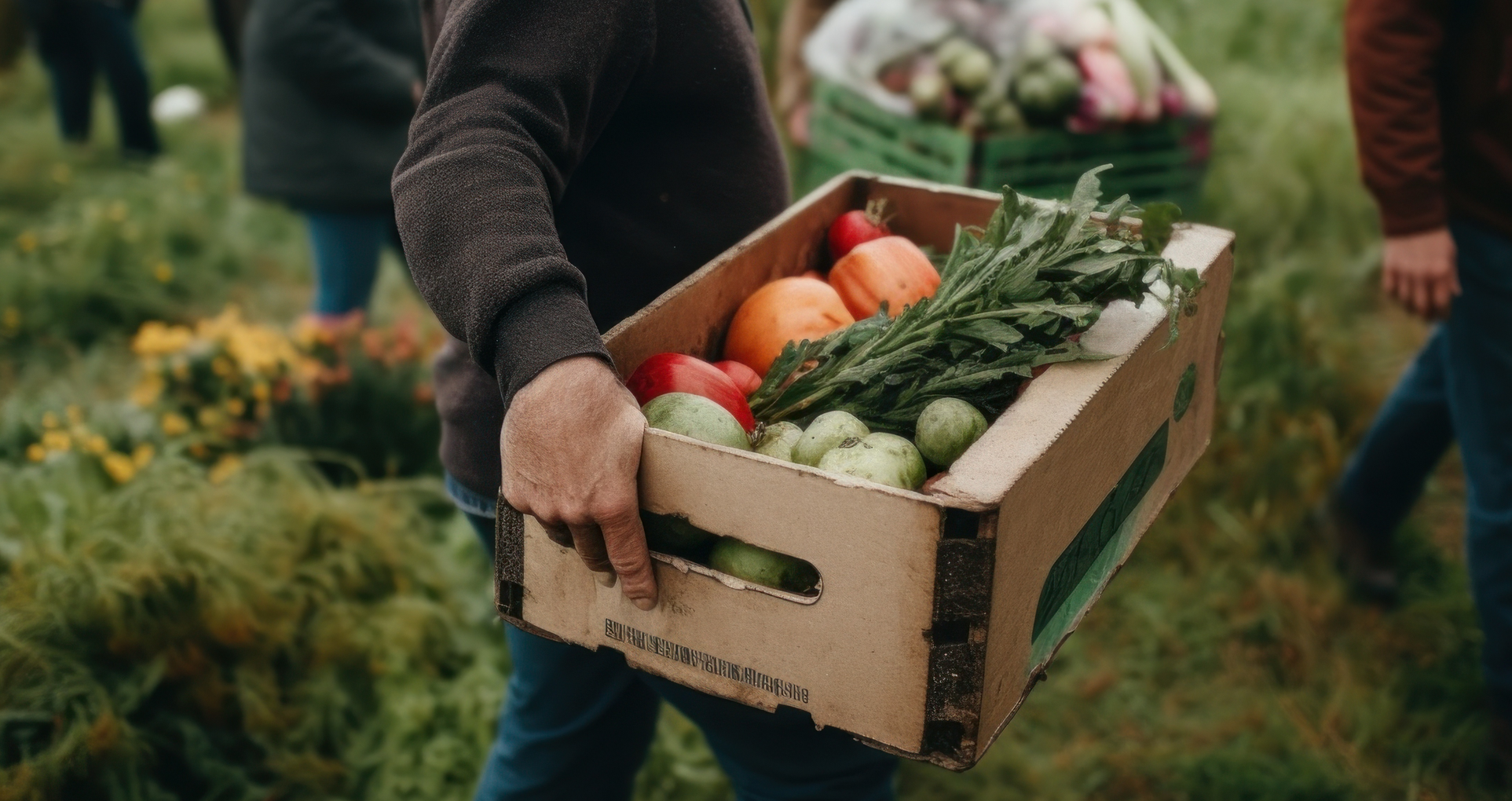

Across the restaurant industry, sustainability practices are gradually gaining traction as economic and environmental realities converge.
Climate change impacts on food systems have become increasingly visible through supply chain disruptions, ingredient availability, and rising costs. Extreme weather events, including prolonged droughts in California and the Midwest, flooding in agricultural regions, and unpredictable growing seasons, have directly affected food costs and availability for restaurants nationwide.
Simultaneously, customer expectations continue to evolve, and research shows that sustainability has become a meaningful factor in dining decisions. This shift in customer sentiment, combined with the operational challenges posed by climate impacts, is encouraging more restaurants to explore sustainable practices that can address both environmental concerns and business resilience.
To share some real-world examples of sustainability in action, we spoke with several restaurant owners and operators about their experiences and results. Let's jump in to learn more about how these restaurants are making a positive impact on the environment and their bottom line.
Key takeaways
Eco-Consciousness reshapes consumer choices
Diners expect green practices
A remarkable shift in diner preferences is reshaping the competitive landscape across all restaurant segments. Toast research reveals that 73% of consumers consider a restaurant's approach to sustainability an important factor when deciding where to eat, further demonstrating how environmental practices directly influence dining decisions.
The generational influence is particularly striking among younger restaurant-goers. Toast data shows sustainability is critical to younger diners, with 41% of respondents in their 20s marking it as "very important" in their dining choices.
Even more financially compelling for operators, Toast research reveals 72% of consumers are willing to pay more at restaurants that prioritize sustainability, with 18% saying they'd pay 6-10% more. The younger demographic is also willing to spend extra for organic or sustainably sourced dishes. This premium pricing potential makes sustainability not just an environmental imperative but a revenue opportunity.

Unlock more insights by Toast
Fill out the form to get a virtual demo with a Toast specialist
Industry forecasting underscores this trajectory. The 2025 What's Hot Culinary Forecast highlights that diners, especially Millennials and Gen Zs, increasingly expect menus featuring health-conscious, locally-sourced options with minimal ecological footprint.
Innovation across restaurant operations
Conquering the food waste challenge
Food waste represents perhaps the industry's most glaring environmental impact and most promising opportunity for improvement. The scale is staggering: US restaurants discard approximately 11.4 million tons of food annually, creating environmental harm while (quite literally) throwing away profit.
Research shows food waste in landfills generates substantial greenhouse gas emissions, with over 85% of these emissions occurring before disposal, during production, transportation, processing, and distribution phases.
And, the economic argument for tackling this issue has become impossible to ignore. Research indicates every $1 invested in food waste reduction generates approximately $14 in returns, making waste reduction initiatives among the highest-ROI sustainability investments available to restaurant operators.
For Flour Bakery + Cafe, tracking food waste has been essential to making change. Across 9 locations, they’ve logged about $13,000 in wasted food, which has encouraged them to make changes to processes and training.
“Categorizing the waste helps me see if we can solve it,” said Culinary Director Peter Doire. Depending on the reason behind the waste, this may indicate that the team needs further training or that the layout of the bakery needs to be adjusted.
And, tracking has also helped the team place inventory orders more accurately. “This gives a number to something that in the past was just theoretical,” said Leah Willis, Flour’s Digital Systems & Technology Manager. “The goal is to have data to help inform ordering.”
Transforming supply chains
Sustainability starts well before the ingredients arrive in restaurant kitchens – so carefully planning supply chains is also essential.
Hyperlocal sourcing has emerged as a strategy with multiple benefits. Studies demonstrate that local food systems can slash transportation distances by up to 80%, dramatically reducing carbon emissions while delivering superior ingredient quality.
This approach strongly resonates with today's diners. Toast research shows that 44% of consumers are most encouraged to visit a restaurant if it uses locally sourced ingredients, making local sourcing not just environmentally beneficial but a powerful marketing advantage.
The advantages extend far beyond carbon reduction. Restaurants partnering with local agricultural producers can help strengthen regional economic ecosystems while enforcing their authentic brand story that resonates with their diners.
Taking it a step further, regenerative agriculture represents the next frontier in sustainable sourcing. These advanced farming methods focus on soil health restoration, biodiversity enhancement, and supporting functioning ecosystems, allowing restaurants to help enhance climate resilience and fight climate change.
Afterlife AG is a unique solution for some restaurants. They partner with restaurants such as Two Boots Pizza, Tacovision, and The Butcher's Daughter, where they take the restaurant's excess food and grow mushrooms, which can then be used in recipes. This tackles both food waste and local inventory sourcing – a win-win for all.
Cutting resource consumption
North American restaurants rank among the most energy-intensive commercial businesses, a resource drain that translates directly to carbon emissions and utility expenses.
Some restaurants are deploying multiple strategies to tackle this issue, working to identify and eliminate inefficiencies, while energy-efficient equipment and lighting systems dramatically reduce overall consumption.
Water conservation has similarly become a focus for environmentally and financially conscious restaurants. Implementing technologies like low-flow fixtures and water-efficient washing systems significantly reduces consumption without compromising the cleanliness standards essential to food service operations.
Rifrullo Cafe in Brookline, MA, takes steps to be more eco-friendly through high-efficiency sinks, LED lights, and wall-mounted hoods.
Reinventing packaging systems
The explosive growth of takeout and delivery has created new packaging-related environmental challenges that many restaurants are working to solve.
The industry is witnessing a wholesale shift toward sustainable packaging solutions, with traditional petroleum-based plastics giving way to materials derived from bamboo, cornstarch, and recycled cardboard.
Reusable, biodegradable, and compostable containers are becoming standard offerings at many restaurants, like Chook and Cutty’s.
Toast has a partnership with DeliverZero, a convenient, reusable container system for takeout and delivery food packaging that helps restaurants cut packaging expenses by about 40%, attract high-value, eco-conscious customers, and reduce waste from single-use takeout packaging. This enables Toast restaurants to offer customers the option to order in reusable packaging that can be easily returned, sanitized, and used again.
This has been a game changer for Chook, according to CEO Elizabeth Nicholson.
“Through the DeliverZero and Toast integration, we’ve seen significant guest usage, all without our teams having to take more steps of service,” said Nicholson. “We’re able to uphold our environmental commitment, save money, and create a more consistent, regular base that loves the program.”
And for Cutty’s, they have set up to-go orders so that guests have to opt in to receive napkins and utensils.
“It has saved so much time, it has saved so much waste, and we probably go through one of these [napkin] cases every 6 or 7 days… as opposed to a week or 10 days,” said Cutty’s co-owner Charles Kelsey.
76% of Cutty’s online orders now go out with no packaging items, which has amounted to over 6,000 packaging items deferred in just 6 months.
Technology enables environmental progress
The use of tech is speeding up the move toward sustainability in the restaurant industry.
Digitalization of menus, ordering, and payment systems eliminates paper waste while enhancing operational efficiency and customer convenience, a win for both environmental objectives and customer experience.
Tracking and optimizing restaurants' environmental footprint is essential. Many restaurants are using tools to reveal patterns in customer preferences, operational efficiency, and resource usage, creating the foundation for automated and data-driven sustainability decisions.
Toast’s Changemaker Suite was built to help restaurants reduce food waste and make more sustainable packaging choices, without adding extra work to an already busy industry.
Communicating green practices effectively
As sustainability becomes a competitive advantage, effective communication of environmental initiatives has become essential for restaurants seeking to take action on consumer preferences.
Toast research reveals that 44% of consumers prefer to learn about a restaurant's sustainability efforts through information on the menu. This direct method allows diners to make informed choices while creating natural opportunities for servers to highlight sustainable practices during ordering.
Loyalty programs also present a powerful opportunity to engage customers with sustainability initiatives. Toast data indicates 40% of consumers are more likely to engage with a restaurant's sustainability efforts if rewarded through a loyalty program, suggesting that gamification and rewards can effectively drive participation in environmental programs.
The sustainable restaurant of tomorrow
"Younger generations, in particular, seem to want more transparency where food sourcing is concerned,” said Dr. Chad Moutray, the National Restaurant Association's vice president of Research and Knowledge. “They're demanding that more restaurants engage in sustainable practices and that operators meet that expectation.”
The verdict from industry leaders and market researchers is unequivocal: environmental sustainability has transcended trend status to become a fundamental business requirement. The National Restaurant Association has concluded that sustainability isn't merely a current trend; it's an absolute essential for 2025 and beyond.
With Toast data showing that nearly three-quarters of consumers consider sustainability important in their dining decisions, the business rationale for sustainability has become as compelling as the environmental imperative. As this transformation accelerates, restaurants embracing comprehensive sustainability strategies are positioning themselves not just as environmental leaders, but as the resilient, forward-thinking businesses most likely to thrive in an evolving marketplace.
Survey methodology Toast conducted a blind survey on this topic of 850 U.S. adults on March 19, 2025. Respondents were not made aware that Toast was fielding the study. All respondents indicated they have dined out at a restaurant at least once in the last 90 days of the survey. Using a standard margin of error calculation, at a confidence interval of 95%, the margin of error on average is +/- 3 - 5%.