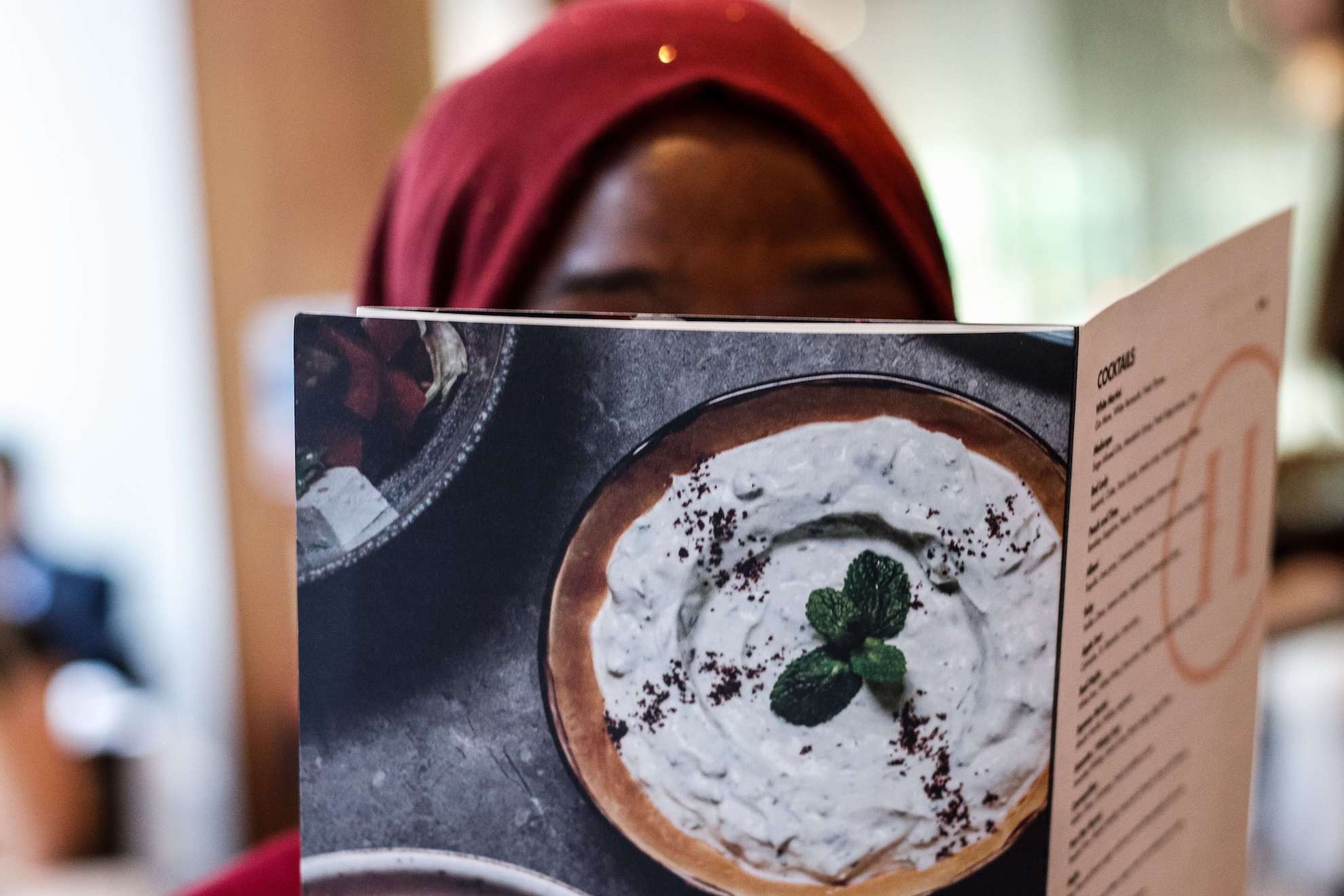
How to Use Menu Engineering to Increase Profits in the UK
From using the correct language to describe your menu offering, to keeping the menu short and sweet, here's how you can use menu engineering to your restaurants advantage.

Justin GuinnAuthor
A well-designed menu is one of the most powerful tools in your restaurant. It influences guest perception, drives profits, and plays a key role in creating a consistent brand experience. In this guide, we’ll walk through expert-backed tips that UK restaurateurs can use to craft menus that not only look great but also increase your bottom line.
Restaurant Menu Templates
Use these menu templates as a starting point for your menu design or to give your menus a refresh.

1. Understand How Guests Scan Your Menu
Most guests don’t read menus top to bottom. Eye-tracking research shows diners tend to focus on specific hotspots first—the top left, top right, and centre of the page—known as the “Golden Triangle”. This is your opportunity to spotlight high-margin items.
According to the Toast Consumer Preferences Survey 2025, in which 200 UK restaurant-goers were polled on their restaurant design and menu preferences, 51.5% say they sometimes notice when items are strategically placed, and 14% say they always do.
2. Use Menu Psychology to Boost Sales
Language and formatting have a powerful impact on guest behaviour. Descriptive menu labels can increase sales by up to 27%. Words like “locally sourced”, “house-made”, and “seasonal” can enhance perceived value.
In the UK, 28% of guests said the word “house-made” would most influence their decision when choosing a dish, followed by “best seller” (25.5%) and “local” (16%).
3. Design with Your Brand in Mind
Your menu should reflect your restaurant’s personality. Whether you’re cheeky and casual, rustic and wholesome, or sleek and upscale, your tone of voice should match your décor and service style.
Bold colours and fonts are popular—37% of UK guests surveyed say they love them, and another 52% say they’re okay if readable.
Here’s a great example from Brother Marcus, a UK restaurant using Toast: their branding flows from the physical space right into their menu language.
4. Balance Popularity and Profit with Menu Engineering
Classify your dishes into four categories to better understand what’s working:
Category | Description | Example |
Stars | High profit, high popularity | Best-selling dishes with great margins |
Ploughhorses | High popularity, low profit | Fan favourites with slim margins |
Puzzles | High profit, low popularity | Dishes to promote with better placement |
Dogs | Low profit, low popularity | Items to reconsider or remove |
5. Price with Intention
UK diners are sensitive to pricing, but they also respond well to perceived value. 39% prefer whole numbers like £12 over psychological pricing (£11.99 or £11.95), while 26% have no strong preference.
Avoid using pound signs or too many decimals—this can make customers more cost-conscious. Instead, align your price with your brand’s positioning and portion sizes.
6. Use Menu Layout to Guide Choices
Use visual cues like boxes, shading, and icons to lead the eye. Icons for vegetarian or spicy dishes are increasingly influential: guests in the UK ranked visual design and icons among the most important elements of a menu.
Feature your most profitable items in those “Golden Triangle” zones and don’t be afraid to use highlighted boxes for special offers—31% of UK guests prefer this format over pop-ups or inserts.
7. Add Visuals—But Only If They’re High Quality
According to Grubhub, photos can increase sales by up to 30% when done well. But poorly lit or low-res images can harm your brand. Invest in professional photography or link to your Instagram with a QR code.
According to our Consumer Preferences survey, 33% of UK diners said menu photos are very important, and 40.5% said they’re somewhat important.
8. Showcase Sustainability and Seasonality
UK guests increasingly value sustainability: 70% want restaurants to be more sustainable, and 39% have actively chosen a more eco-conscious brand in the past year (Source: Voice of the Restaurant Industry UK).
Seasonal menus are also a win. 45.5% of UK diners say they sometimes choose limited-time items, and 35% say they often do.
Restaurant Metrics Calculator
Use this free calculator to calculate the key restaurant metrics needed to understand the health and success of your business.
9. Keep It Simple
According to our survey, 46% of guests say 6–8 items per category is ideal. Too many options can overwhelm customers and reduce decision-making confidence.
Avoid clutter. Make your sections clear. And don’t forget: outdated design was rated one of the most annoying menu issues by UK diners.
10. Test and Update Regularly
Your menu should evolve with your business. Use POS analytics to track what’s selling, what isn’t, and how profit margins shift over time. Highlight best-sellers or seasonal items, and consider A/B testing different pricing or layouts.
Ready to Get Started?
Your menu is one of the most powerful tools you have. With smart engineering, you can boost profits, improve guest satisfaction, and create a seamless brand experience from start to finish.
 TOAST TECH
 Built for restaurants just like yours.
Toast’s restaurant technology includes point of sale, kitchen display screens, online ordering and more.
Is this article helpful?
DISCLAIMER: This information is provided for general informational purposes only, and publication does not constitute an endorsement. Toast does not warrant the accuracy or completeness of any information, text, graphics, links, or other items contained within this content. Toast does not guarantee you will achieve any specific results if you follow any advice herein. It may be advisable for you to consult with a professional such as a lawyer, accountant, or business advisor for advice specific to your situation.
Subscribe to On the line
Sign up to get industry intel, advice, tools, and honest takes from real people tackling their restaurants’ greatest challenges.
By submitting, you agree to receive marketing emails from Toast. We’ll handle your info according to our privacy statement. Additional information for California residents available here.