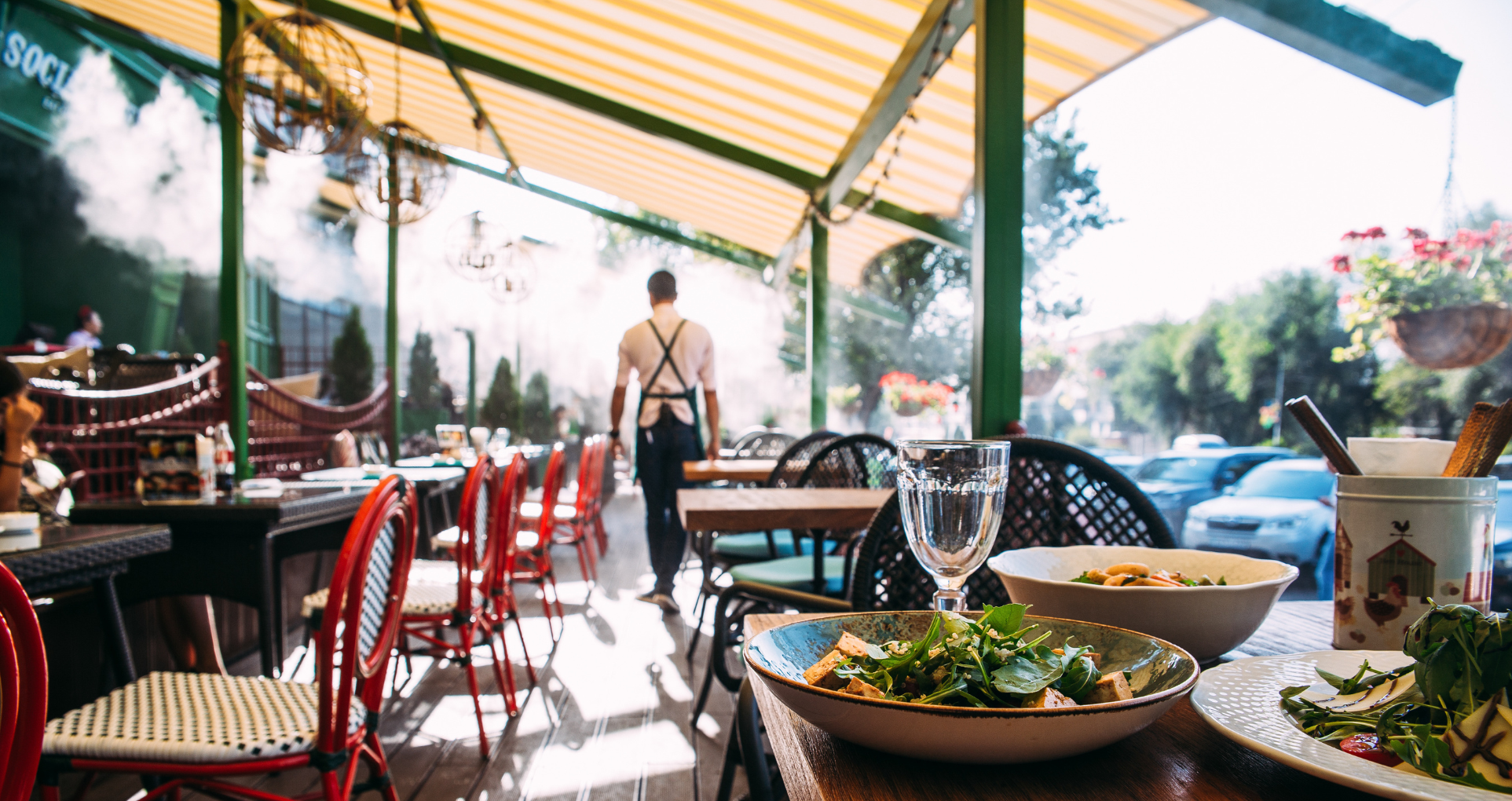
The Science of Table Turnover in Ireland: Faster Service and Happier Guests
Discover how to use design, training, and technology to improve table turnover and grow revenue without making diners feel rushed.
Chris SchwartzAuthor
Irish restaurants are walking a tightrope right now. Costs are up, guests are more selective, and staffing can feel like a constant puzzle. That's where table turnover comes in. Done well, it's not about hustling guests out the door. It's about using data, design, and workflow to remove friction, so service feels faster, calmer, and more intentional, and every seat pulls its weight.
Why Table Turnover Matters So Much in Ireland Right Now
Table turnover rate tells you how many different parties sit at a table during a given period (lunch, dinner, or a whole day). It's one of the clearest levers you have to increase revenue without adding more covers or extending opening hours, reduce wait times and walk-aways, and make staffing and scheduling decisions based on reality, not gut feel.
In a cost-of-living squeeze, Irish diners are watching their spend closely. According to the Toast Consumer Preferences Survey 2025, price is at least "somewhat influential" in restaurant choice for over 9 in 10 Irish guests, with 14.5% saying it's the primary influence and 47% saying it's "quite influential".
You can't keep raising prices forever. Improving table and seat turnover helps you grow revenue per hour and per seat, while still delivering value.
At the same time, Irish diners still care deeply about the experience. In a July 2025 survey on interior design and ambience, 63% said food quality is the main factor when choosing a restaurant, while 25.5% chose price and only 2.5% chose interior design.
In other words: if you can serve excellent food at a fair price, in a space that feels welcoming and well-run, table turnover becomes a competitive advantage, not a threat.
Table Turnover vs Seat Turnover: The Key Metrics
Before you can improve anything, you need to measure it.
Table Turnover Rate
Table Turnover Rate = Number of parties served ÷ Number of tables (over a given period)
Example: 15 tables at dinner and 45 parties seated between 5pm and 10pm means table turnover rate = 45 ÷ 15 = 3 turns per table.
Seat Turnover Rate
Table turnover looks at tables. But in a dining room full of four-tops seating mainly couples, you might be leaving a lot of revenue on the table.
Seat Turnover Rate = Number of guests served ÷ Number of seats
Using the same dinner: 60 seats (15 tables × 4) and 120 guests served means seat turnover rate = 120 ÷ 60 = 2 turns per seat.
Here, tables are turning three times, but each seat only turns twice. That usually means lots of two-tops sitting at four-tops, which affects both wait times and revenue per seat.
Tracking both metrics gives you a fuller picture: not just "How often do we flip tables?" but "How well are we using every seat?"
What "Good" Looks Like (and Why It's Different for Every Irish Restaurant)
There's no single "perfect" table turnover number. A casual brasserie off Grafton Street will aim for very different turn times than a special-occasion fine dining room in Galway.
As a rough guide, fast casual or busy brunch spots might aim for 3–4 turns per meal period, neighbourhood bistros and family restaurants might target around 3 turns at dinner, whilst fine dining or tasting menus typically see 1–2 turns per service.
For Ireland specifically, think about location. City-centre venues with high rent usually need faster turns than rural destination restaurants. Menu style matters too—tasting menus or long sharing menus naturally take more time. Consider your guest mix as well: pre-theatre crowds behave differently to leisurely Sunday lunchers.
The important thing is consistency. If some Friday dinners average 75 minutes per table and others stretch to 2 hours for no clear reason, there's opportunity in the gaps.
Irish Consumer Expectations: Ambience, Queues, and Staying Power
Irish guests don't just notice the food—they notice how your space works.
Design and Layout Really Do Influence Repeat Visits
According to the Toast Consumer Preferences Survey 2025 on establishment design, nearly 9 in 10 Irish respondents say design and layout are at least "somewhat important" in deciding whether to return, with 16.5% calling them "extremely important" and 46.5% "important".
That doesn't mean you need a full refurbishment. It means the basics—clear pathways, comfortable seating, and sensible table spacing—have a real impact on loyalty and therefore lifetime revenue per guest.
Queues and Waitlists: Clarity Beats Chaos
The same survey found that clear, visible ordering queues are "very important" or "important" to 87% of Irish diners, with only a tiny minority saying queues don't matter.
That applies even if you're full-service rather than counter-service. A tidy host stand, accurate wait times, and digital waitlists can make the difference between guests happily grabbing a drink at the bar or walking out.
Lighting That Invites the Right Kind of Linger
Ambience also shapes how long guests stay—and what they order. In the Toast Consumer Preferences survey, warm ambient lighting and table lamps or candles were the top environments that make Irish diners likely to stay longer and order more, chosen by 56% and 36.5% of respondents respectively.
That's a useful lever: you can lean into warmer lighting and candlelight in shoulder periods when you'd love guests to have that extra glass of wine, and dial things slightly brighter or more energetic when you need a bit more pace.
Step 1: Map the Guest Journey and Find the Friction
To improve table turnover without rushing guests, start by walking through your service from a guest's point of view.
First, consider arrival and greeting. How long does it typically take for guests to be acknowledged? Is the host stand clearly visible, and is the process obvious?
Then look at seating and first contact. How quickly after seating does a server arrive with menus, water, or the first interaction? Do guests know how to order (at counter, at table, via QR)?
Next, examine ordering and pacing. Are menus easy to scan, or do guests need lots of explanations? Do mains and starters arrive in a sensible timeframe?
Finally, assess payment and departure. How long does it take from asking for the bill to payment completed? Are payment devices a bottleneck?
Your POS data should support what you see on the floor. Because Toast's platform pulls together front- and back-of-house data, you can track average dining duration by daypart and server, compare revenue per seat hour before and after changes, and keep an eye on ticket times.
If you're not yet on an all-in-one platform, you can still start by exporting time between seat and first fire, average ticket time, and time between printing the bill and payment. These metrics point you directly to the moments that stretch a visit unnecessarily.
Step 2: Use Layout and Design to Support Flow
You don't need a full fit-out to make layout work harder for table turnover.
Optimise Your Table Mix
Add more two-tops in high-demand areas, and use modular tables you can push together for larger groups. Keep high-turn tables (two-tops near the bar or windows) close to server stations to minimise steps. Create "linger" zones—soft seating or bar stools for guests who want another drink—so you can gently move table campers without making them feel pushed out.
Make Routes Obvious
Keep clear paths for servers between kitchen, bar, and key table sections. Avoid queues blocking these paths. This is where those clear, visible ordering queues and digital waitlists really matter.
Step 3: Train Teams for "Calm but Quick" Service
The fastest way to improve table turnover is usually not another refit, it's staff habits. Here are practical training focuses adapted for Irish teams.
1. Consolidate Visits
Encourage servers to think one step ahead. Bring water, menus, and a quick "any allergies we should know about?" in the first visit. Offer dessert menus and a gentle "coffee or something sweet?" while clearing mains. Have the bill ready to present quickly once guests decline dessert. Fewer back-and-forths mean guests feel well looked after and the table clears more smoothly.
2. Take Orders by Seat
Taking orders by seat number (or verbally confirming "steak here, fish there?") reduces food running errors and re-fires—common causes of long ticket times and frustrated guests.
3. Avoid Seating Incomplete Parties at Peak
It's reasonable during busy services to have a policy like "we'll seat you when most of your party has arrived." Hosts can explain this in a friendly way: you're trying to keep things fair for everyone waiting.
4. Ask About Time Constraints
A simple "Are you off to anything after this—cinema, gig, match?" early in the interaction lets servers adjust pacing. If guests are on a tight schedule, you can recommend quicker-to-prepare dishes, fire courses together where appropriate, and offer the bill with coffee so they can leave whenever they're ready. If it's a celebration meal, the team can plan for a slower, more relaxed experience.
5. Respect Staff Rest—and Plan Around It
Ireland's Organisation of Working Time Act requires specific rest breaks: generally 15 minutes after 4.5 hours and 30 minutes after 6 hours, plus at least 11 hours' rest between working days.
Better table turnover shouldn't come from cutting corners on breaks. Instead, use your data to stagger breaks around peak seatings, schedule extra cover where you know ticket times spike, and cross-train staff so more people can jump on the pass, greet at the door, or run food when needed. This keeps service smooth and protects staff wellbeing—crucial in a sector already under pressure from labour shortages, as the Irish Times has reported in their recent articles on restaurant closures and economic challenges.
Step 4: Let Technology Do the Heavy Lifting
The right technology can quietly streamline service, helping your team turn tables faster without ever rushing guests. When ordering, payment, and seating flow smoothly, staff stay focused on hospitality instead of workaround tasks or bottlenecks.
Tableside Handhelds
Tableside handhelds let servers take orders, fire them to the kitchen, and accept payment directly at the table. That removes trips to fixed terminals, shortens ticket times, and speeds up the final bill.
Irish operators are already seeing the impact. At Bewley’s, replacing a slow legacy POS with Toast handhelds cut table turn times from 45 minutes to about 40 minutes, while giving the team clearer data on pacing and peak bottlenecks.
At BANG Restaurant & Wine Bar, handhelds paired with a Toast KDS sped up orders to the kitchen, improved ticket times, reduced one front-of-house position per shift, and even lifted tips thanks to smoother service.
Digital Waitlists and Reservations
With certain table management tools, guests can see wait times, join a list remotely, and get a text when their table is ready. This keeps the door area calm, reduces walk-aways, and helps hosts seat the room in a steady, predictable flow.
Integrated Reporting and Insights
With reporting tools, operators can track average dining duration, revenue per seat hour, and turn times by server or daypart. Clear data makes it easier to spot bottlenecks, adjust staffing, or tweak layout and menu pacing — small changes that can add up to significantly faster turns.
Ready to Transform Your Table Turnover?
Improving table turnover isn't about rushing guests—it's about creating a smoother, more efficient experience for everyone. With the right combination of smart layout design, trained teams, and integrated technology, you can increase revenue whilst maintaining the warm hospitality Irish diners expect.
Is this article helpful?
DISCLAIMER: This information is provided for general informational purposes only, and publication does not constitute an endorsement. Toast does not warrant the accuracy or completeness of any information, text, graphics, links, or other items contained within this content. Toast does not guarantee you will achieve any specific results if you follow any advice herein. It may be advisable for you to consult with a professional such as a lawyer, accountant, or business advisor for advice specific to your situation.
Subscribe to On the line
Sign up to get industry intel, advice, tools, and honest takes from real people tackling their restaurants’ greatest challenges.
By submitting, you agree to receive marketing emails from Toast. We’ll handle your info according to our privacy statement. Additional information for California residents available here.