
How to Train Your Front-of-House Staff in Ireland
Train your next team of front-of-house superstars with our tips and tricks for good measure.

Chelsea VerstegenAuthor
Great front-of-house (FOH) service turns a meal into an experience people remember. With customers expecting more and restaurants facing real challenges—especially in Ireland—solid training for your FOH team isn’t just helpful, it’s essential. Here’s how you can set your staff up to deliver top-notch service every time.
Training Manual Template
Use this restaurant training manual template, a customizable Word Doc, to provide your staff with the rules, guidelines, and clarity they need to do their jobs efficiently.

1. Prioritise Engaging Training Methods
Traditional training can often feel monotonous. Engage new employees with interactive activities, peer-to-peer mentoring, hands-on shadowing, and real-time customer interaction.
According to the Toast Consumer Preferences Survey 2025, in which 200 Irish hospitality workers were polled about restaurant HR, staffing and training in hospitality, hands-on shadowing is the most preferred FOH training method among Irish hospitality workers, preferred by 47% of respondents.
Use your pre-shift briefings to remind the team that great service and happy customers are the goal. Keep it engaging and try running some competitions, like rewarding staff who get positive online reviews.
2. Cross-Functional Training for Flexibility
Give your team the skills to jump in wherever they’re needed. Servers should be able to lend a hand at the bar, hosts should know their way around the POS system, and bussers should feel confident greeting and seating guests. A well-rounded team keeps things running smoothly.
For example, BANG in Dublin implemented Toast’s restaurant management platform to improve its front-of-house operations.
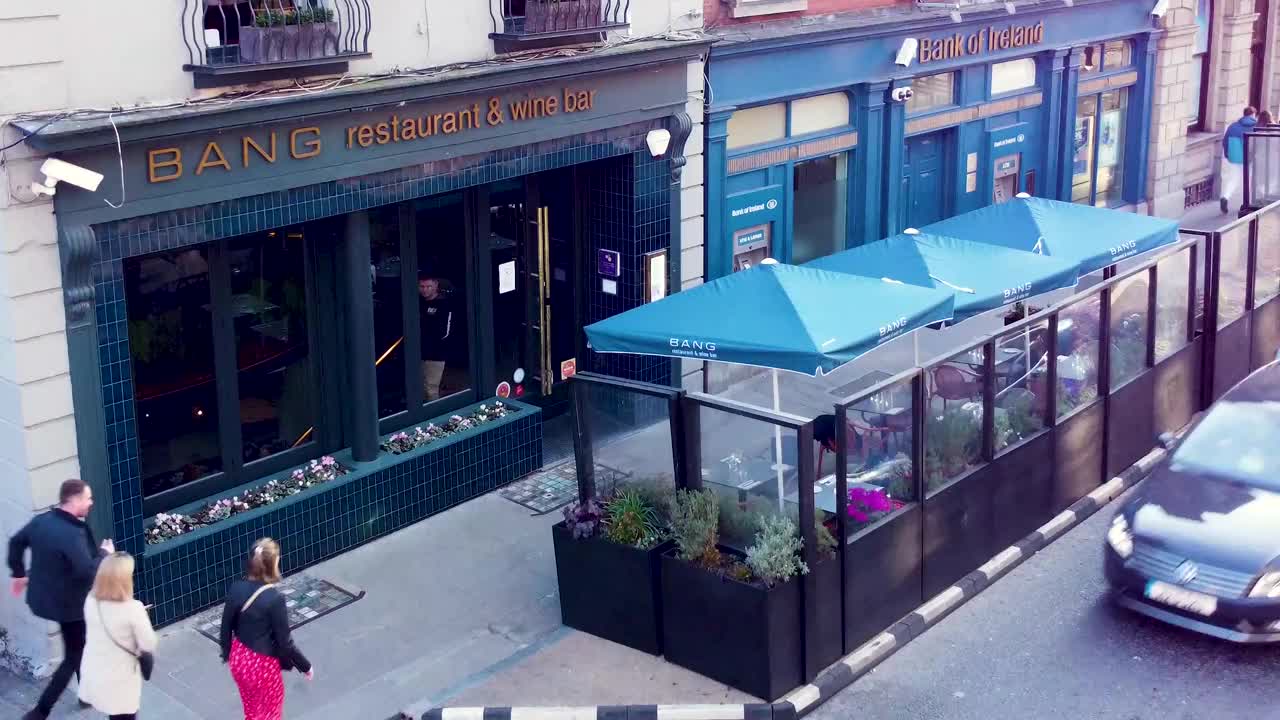
This ensures that when the restaurant is bustling—something 95% of Irish restaurateurs anticipate according to Toast’s Voice of the Restaurant Industry report—every customer receives prompt attention.
3. Structured Onboarding is Essential
A structured onboarding process is highly valuable, with 42% of hospitality employees in Ireland rating it as "extremely valuable," according to the Toast Consumer Preferences Survey 2025.
Clearly outlined training procedures, such as a customised training manual, provide clarity and confidence for new hires. You can also reference onboarding guidelines and training toolkits available through Fáilte Ireland, which supports hospitality operators across the country.
4. Feedback Fuels Growth
Managers or dedicated trainers should closely observe interactions between FOH staff and customers, providing immediate, constructive feedback.
If a team member’s having trouble connecting with guests — maybe avoiding eye contact or not quite getting the tone right — don’t just correct them. Take a moment to offer clear, kind feedback and show them how to improve. A bit of encouragement can go a long way in building confidence and helping them grow.
5. Explain The Value of FOH Experience
Make sure your staff knows the difference between just doing the job and really creating a memorable experience. Guests pick up on things like the friendly welcome at the door, the genuine check-in during the meal, even the way the bill is delivered. It’s those little human touches that turn a good night out into a great one.
Toast's Voice of the Restaurant Industry report emphasises that Irish consumers value exceptional experiences and will return more frequently to establishments offering this.
6. Maintain Hospitality Throughout the Visit
Quality service doesn't end once the bill is paid. Ensure your staff continues to engage with customers who choose to linger, always checking if there's anything else needed. A friendly goodbye can significantly enhance the likelihood of repeat visits and positive reviews.
7. Attention to Detail Makes the Difference
Train your team to stay on top of the small stuff as it makes a big difference. Tables should be set with cutlery and condiments before the food hits, drinks topped up without being asked, and any issues handled quickly. These details show customers you care about doing things right.
With money tight, especially in Ireland, diners are more selective. They’re looking for good value and thoughtful choices. Make sure your staff can talk confidently about the menu, highlight local or sustainable options, and upsell without being pushy. It’s about helping guests feel like they’re getting more than just a meal.
8. Communicate Compliance and Best Practices
Stay compliant by clearly communicating key policies, such as your restaurant’s code of conduct, at the hiring stage—identified by 52% as the most important policy to communicate (source: Toast Consumer Preferences Survey 2025).
Ensure employment agreements are detailed and transparent, something 77% of Irish hospitality workers consider essential for all staff
Training your FOH staff effectively enhances not only the customer experience but also employee satisfaction and retention, driving your restaurant toward greater success in Ireland’s competitive market.
9. Promote Continuous Learning
Irish restaurateurs recognise the significant value of ongoing training, with 60% considering it "extremely important" (Toast Consumer Preferences Survey 2025).
Enhance your team's capabilities further through industry-recognised certifications or workshops offered by local institutions, such as Dublin Institute of Technology’s hospitality programmes.
 TOAST TECH
 Built for restaurants just like yours.
Toast’s restaurant technology includes point of sale, kitchen display screens, online ordering and more.
Is this article helpful?
DISCLAIMER: This information is provided for general informational purposes only, and publication does not constitute an endorsement. Toast does not warrant the accuracy or completeness of any information, text, graphics, links, or other items contained within this content. Toast does not guarantee you will achieve any specific results if you follow any advice herein. It may be advisable for you to consult with a professional such as a lawyer, accountant, or business advisor for advice specific to your situation.
Subscribe to On the line
Sign up to get industry intel, advice, tools, and honest takes from real people tackling their restaurants’ greatest challenges.
By submitting, you agree to receive marketing emails from Toast. We’ll handle your info according to our privacy statement. Additional information for California residents available here.