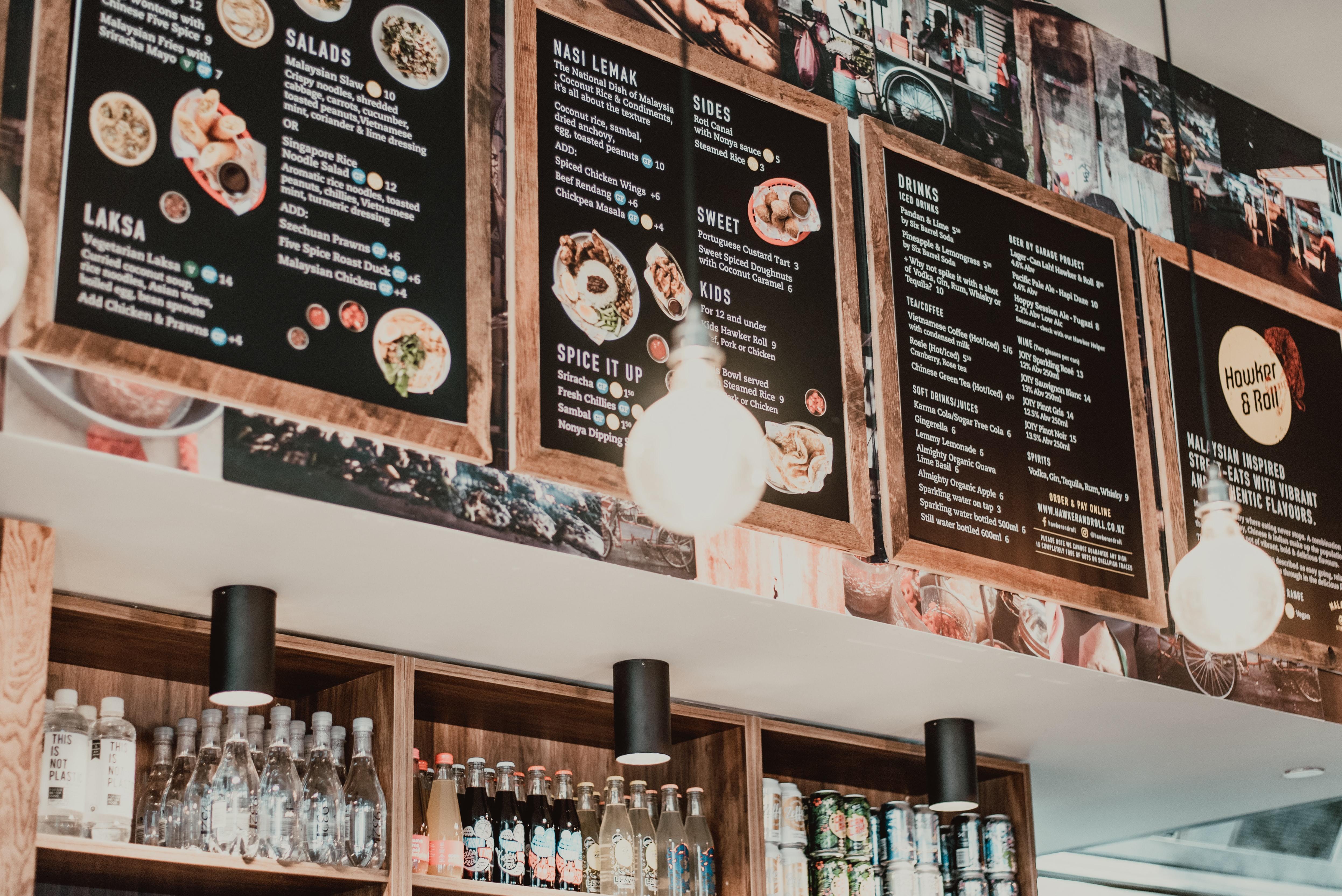
10 Restaurant Menu Design Tips for Ireland
Tip 1: Creativity is key when thinking about restaurant menu design. Read on for more.

Kendal AustinAuthor
A good restaurant menu does way more than just list your food - it actually shapes how customers see your restaurant and what they end up ordering. With so many dining options in Ireland these days and everyone being pickier about where they spend their money, having a menu that really works can make all the difference for your business.
In this guide, we’ll walk through ten menu design tips Irish restaurateurs can use to boost profitability, reinforce their brand, and deliver the consistent, high-quality guest experience that diners expect.
Restaurant Menu Templates
Use these menu templates as a starting point for your menu design or to give your menus a refresh.

1. Understand How Irish Guests Scan Menus
According to the Toast Consumer Preferences Survey 2025, in which 200 Irish consumers were polled on their restaurant design preferences, 57% of Irish diners say they “sometimes” or “always” notice strategic placement on menus — especially in hotspots like the top left, top right, and centre of the page. These are prime positions for high-margin dishes.
Tip: Position profitable items in those focal areas, and use visual cues like boxes or icons to draw attention.
2. Use White Space to Reduce Menu Anxiety
Visual clarity plays a major role in guest satisfaction. Toast Consumer Preferences Survey data shows that cluttered layouts and too many options are among the top annoyances for Irish diners.
A clean, airy menu layout makes it easier for guests to find what they want — and spend more confidently.
Tip: Use spacing, section dividers, and margin buffers to give the eye room to breathe.
3. Highlight Key Dishes with Boxes and Colour
Design elements like shaded boxes, bold fonts, or subtle icons can help guide diners to bestsellers or house favourites — which 43% of Irish diners say they’re more likely to order when highlighted.
Tip: Highlight dishes using “House Favourite” or “Best Seller” callouts and back them up with design cues that don’t feel overly salesy.
Take this real-world example from The Shack Restaurant in Dublin, which calls attention to its signature Irish stew and lamb shank using bold fonts and spacing. These dishes are culturally resonant and visually anchored by price formatting and concise descriptions.

4. Consider Losing The Euro Sign To Keep It Simple
Irish diners prefer pricing that is easy to understand. In fact, 58% prefer whole numbers, and many behavioural economics studies suggest that dropping the currency symbol altogether can reduce the perception of cost.
Tip: Consider listing prices without the € sign and avoid placing them in a single column to reduce price-based comparison.
At Dada Moroccan Cuisine & Tapas in Dublin, pricing is tidy and consistent. Even with a detailed list of small plates, the use of white space and restrained punctuation helps guide guests’ attention to the food rather than the price.

5. Reduce the Burden of Choice
Overwhelmed guests spend less. Irish diners favour menus with 6–8 items per category and clear course-based sections. This helps increase order speed and table turnover — a key priority for full-service restaurants looking to optimise staff time and revenue.
Tip: Keep your menu short, streamlined, and focused on standout dishes with strong margins.
6. Use Descriptive Language to Tempt Diners
According to Toast data, item descriptions are the single most important menu element for Irish guests. Words like “house-made”, “organic”, or “seasonal” justify higher prices for 65% of consumers.
Tip: Describe taste, preparation, or sourcing with flair — but stay true to your brand voice. Think “Slow-braised beef in Guinness reduction” over “Beef stew.”
7. Include Photos — But Only If They’re Excellent
Visuals matter. In Ireland, 53% of diners say photos are at least somewhat important when deciding what to order. That said, bad photography can do more harm than good.
Tip: Showcase high-margin items on digital menus or online ordering pages using high-quality imagery. If printing, use a QR code that links to your Instagram gallery.
8. Make Menus Accessible and Inclusive
Guests need to be able to read your menu — no matter their age or ability. That means clear fonts, contrast for legibility, and menu sizes that are easy to hold. Toast data suggests that menu visuals (including font clarity) are a top-five consideration for Irish guests.
Tip: Offer large-print or digital menus on request. QR menus should be mobile-optimised, especially for guests with visual impairments or accessibility needs.
9. Align Menu Design with Your Brand
From colour palette to tone of voice, your menu is part of your guest’s first impression. Irish operators, especially those expanding or opening new locations (51% plan to this year), are focusing more on consistent branding across touchpoints.
Tip: Whether you’re running a neighbourhood café or a contemporary fine-dining concept, make sure your menu layout reflects your identity.
Real example: How Bewley’s reimagined their café brand and guest experience
10. Optimise for Online and Digital Ordering
Irish consumers are digital-first — and many expect online menus to be interactive and image-rich. Operators using handheld POS and digital menus report faster turn times and higher average spend.
Tip: Make sure your online menu is mobile-friendly, screenreader-accessible, and features real images and full descriptions. This improves discoverability, ordering speed, and accessibility.
Explore digital menu options: Toast Online Ordering Tools
Menu Design That Gets Results
With how tough the restaurant business is in Ireland right now, having a menu that actually works can help you boost sales, stop customers from getting overwhelmed by choices, and build that connection that turns first-timers into regulars.
 TOAST TECH
 Built for restaurants just like yours.
Toast’s restaurant technology includes point of sale, kitchen display screens, online ordering and more.
Is this article helpful?
DISCLAIMER: This information is provided for general informational purposes only, and publication does not constitute an endorsement. Toast does not warrant the accuracy or completeness of any information, text, graphics, links, or other items contained within this content. Toast does not guarantee you will achieve any specific results if you follow any advice herein. It may be advisable for you to consult with a professional such as a lawyer, accountant, or business advisor for advice specific to your situation.
Subscribe to On the line
Sign up to get industry intel, advice, tools, and honest takes from real people tackling their restaurants’ greatest challenges.
By submitting, you agree to receive marketing emails from Toast. We’ll handle your info according to our privacy statement. Additional information for California residents available here.