What Does “Hands” Mean in a Kitchen? Understanding Restaurant Kitchen Slang
Learn what 'hands' means in professional kitchen lingo, how it streamlines communication during service, and why it's essential for efficient restaurant operations.

Caroline PriceAutor
 RECURSO
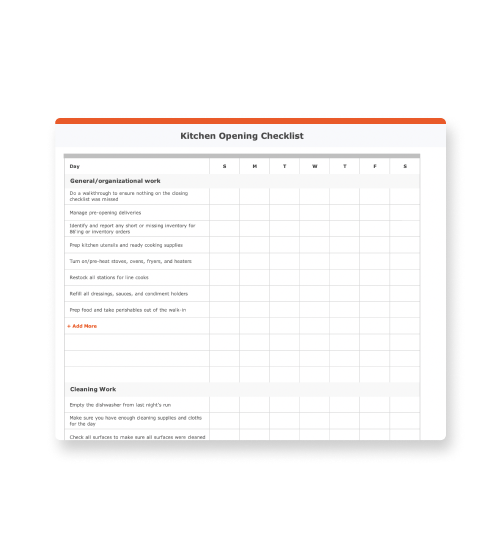
 Listas de verificación de apertura y cierre para la cocina
Con estas listas de verificación de apertura y cierre para la cocina, que puedes personalizar según tu conveniencia, tu personal no dejará nada librado al azar.
Obtener descarga gratis | Creado para restaurantes
What Does "Hands" Mean in a Kitchen?
In professional kitchens, "hands" refers to available staff members who can actively participate in food preparation and service. When a chef or expeditor calls for "hands," they're specifically requesting available kitchen staff who can immediately assist with tasks.
Ever wondered why chefs are always shouting about "hands" in a busy kitchen? If you've watched "The Bear" with Jeremy Allen White or spent any time in professional kitchens, you've probably heard this crucial piece of restaurant lingo thrown around during intense service scenes.
Let's break down what it really means and why it matters in professional kitchens.
Listas de verificación de apertura y cierre para la cocina
Con estas listas de verificación de apertura y cierre para la cocina, que puedes personalizar según tu conveniencia, tu personal no dejará nada librado al azar.

What does "hands" mean?
In professional kitchens, "hands" refers to available staff members who can actively participate in food preparation and service. When a chef or expeditor calls for "hands," they're specifically requesting available kitchen staff who can immediately assist with tasks. The term has several crucial contexts:
Immediate assistance: "I need hands!" means the kitchen needs help right now
Staffing levels: "How many hands do we have tonight?" refers to total staff working
Task assessment: "This requires two hands" means two people are needed for the job
Service planning: "We're short hands" indicates insufficient staffing
For example, during peak service, an expeditor might call out "I need hands on these tickets!" - meaning they need available line cooks or kitchen staff to help complete pending orders. This industry-specific terminology is fundamental to kitchen operations and communication.
Think of "hands" as the human horsepower that keeps a restaurant running. Whether you're in a fine dining establishment or a bustling neighborhood spot, having enough hands (staff) can mean the difference between smooth service and total chaos.
From French traditions to modern kitchens
While today's kitchens might seem far removed from traditional French cuisine, they still follow many principles established by Auguste Escoffier, the grandfather of modern kitchen organization. His brigade system (fancy French term for kitchen hierarchy) helps determine exactly how many hands a kitchen needs.
Who's who in the kitchen
The leadership team
The executive chef sets menu direction, manages costs, and oversees all kitchen operations
The sous chef is second-in-command (you'll hear plenty of "yes, chef" in their direction)
The expeditor (expo) ensures that guests' orders are fulfilled correctly by the line
The core team
Line cooks are the backbone of the kitchen, cranking out your favorite menu items
Prep cooks handle the mise en place (getting everything ready before service)
Food runners ferry dishes from back of house to front of house
When things get real
Picture this: It's Saturday night, the dining room is packed, and the kitchen is "in the weeds" (that's kitchen slang for "overwhelmed"). The expo's calling out orders "all day" (total count of each dish needed), while line cooks are firing dishes "on the fly" (ASAP). This is when having enough hands matters most.
Daily life in a professional kitchen
Morning prep
The day starts with prep work: checking the walk-in refrigerator, setting up stations, and getting ready for service. Every staff member has their role:
Line cooks prep their stations
The sous chef checks the inventory
Kitchen staff preps for family meal (the pre-service staff dinner)
Service time
When service hits, the kitchen transforms:
Order tickets start flowing
The expeditor coordinates between the wait staff and the kitchen
Line cooks work their stations
Food runners and bartenders keep the front of house moving
Building kitchen culture
Ask any restaurant industry veteran and they'll tell you – kitchen culture is a world unto itself. New cooks begin their journey shadowing seasoned professionals, absorbing everything from fundamental prep techniques to the distinctive language of the kitchen. It's like joining an eccentric family with its own dialect and customs.
Survival in this environment demands boundless stamina, attention to detail, strong multitasking, and above all, fluency in the unofficial language of the kitchen – its distinctive slang and shorthand that keeps the organized chaos running smoothly.
Bottom line
Understanding "hands" in a kitchen context reveals the complex orchestra that is professional food service. Each person plays a crucial role in the symphony of service, from the executive chef conducting the show to the dishwasher ensuring clean plates for the next service.
For those considering entering the industry, remember that being a "hand" in a professional kitchen means joining a tradition of craftsmanship, teamwork, and dedication to excellence. The hours are long, the work is demanding, but the satisfaction of being part of a well-oiled kitchen team is unmatched.
Whether you're calling for hands or responding to the call, success in the kitchen depends on understanding both the literal and cultural meaning of this essential term. It's not just about having enough people – it's about having the right people, with the right skills, working together in perfect harmony to create exceptional dining experiences.
¿Es útil este artículo?
AVISO LEGAL: Esta información se proporciona solo con fines informativos generales y su publicación no constituye un aval. Toast no garantiza la precisión ni la integridad de la información, el texto, los gráficos, los enlaces y otros elementos que incluye este contenido. Toast no garantiza que alcanzarás ningún resultado específico si sigues los consejos que aparecen aquí. Te recomendamos consultar con un profesional, como un abogado, contador o asesor comercial, para recibir asesoramiento específico para tu situación.
 Tendencias
Más información


Suscribirse a On the line
Regístrate para recibir opiniones reales, consejos, herramientas e información específica del sector de la mano de quienes están abordando los desafíos más importantes para los restaurantes.
Al enviar, aceptas recibir correos electrónicos de marketing de Toast. Trataremos tu información de acuerdo con nuestra declaración de privacidad. Información adicional disponible para residentes de California aquí.