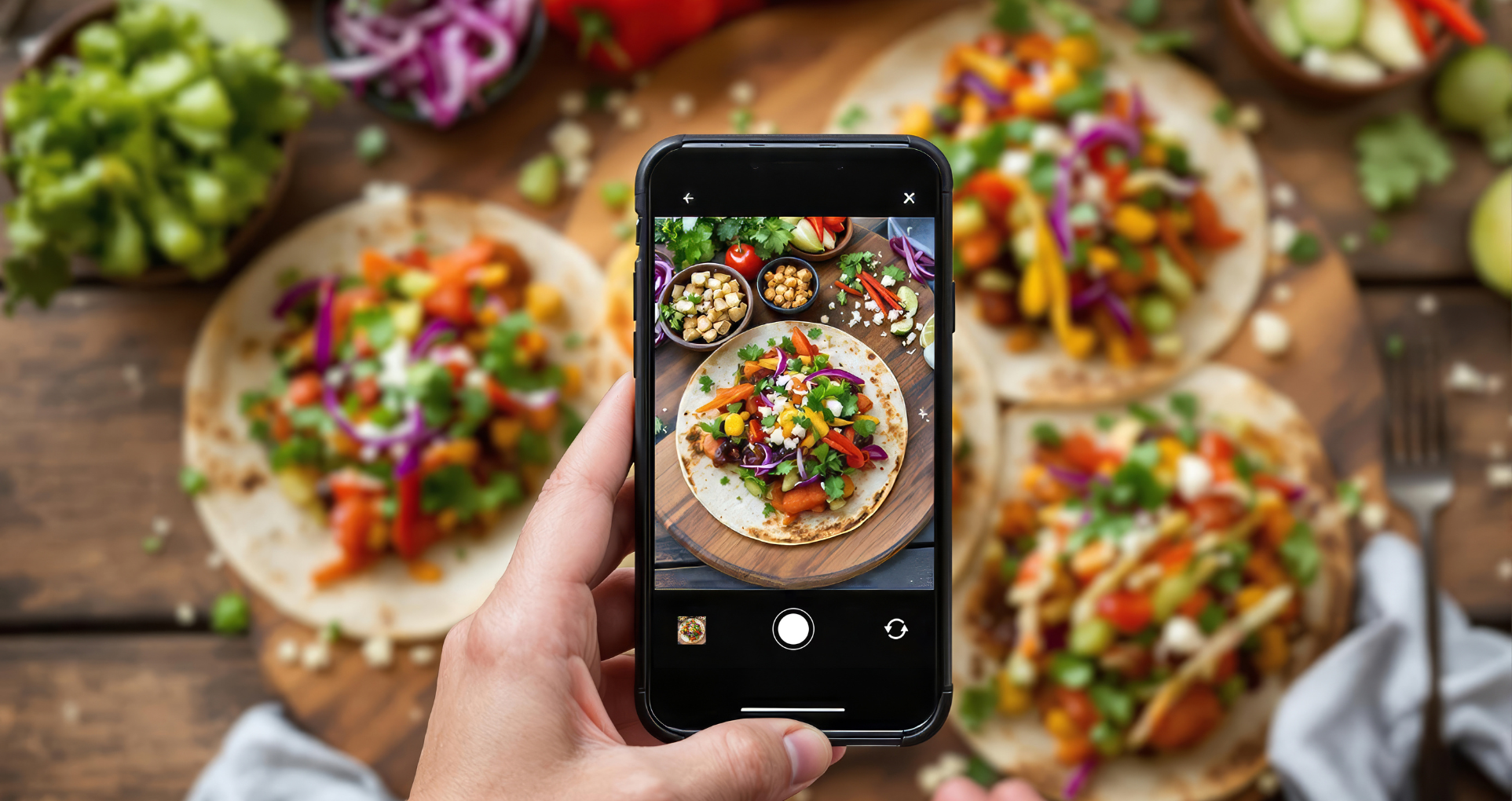
Small Restaurant Menu Ideas: Creative Dishes to Boost Your Business
Explore small restaurant menu ideas that boost revenue and delight diners. From signature dishes to seasonal specials, discover creative ways to design your menu.

Jim McCormickAutor

 RESOURCE
 Opening a Small Restaurant Checklist
So many things go into opening a small restaurant. With this free PDF checklist, you'll set your new business up for success.
Obtener descarga gratis | Creado para restaurantes
Running a small restaurant comes with unique challenges. Limited kitchen space, smaller staff, and a tight menu can make it tricky to attract new customers while keeping regulars excited. Yet, small restaurants have a secret weapon: creativity. By curating a menu that balances crowd-pleasers with inventive dishes, operators can maximize their space, increase profitability, and create memorable experiences that bring diners back again and again.
This guide explores some of the best small restaurant menu ideas, providing practical tips and dish inspirations to help small restaurants stand out in 2025, attract more customers, and increase revenue.
Key takeaways:
Signature dishes create restaurant identity and should offer unique twists that competitors don't have.
Small plates and shareables encourage multiple orders and increase overall revenue.
Seasonal menu rotations reduce ingredient costs while keeping the dining experience fresh.
Dietary-friendly options expand your customer base and show inclusivity to modern diners.
Streamlined menus (8-12 main dishes) bring consistency and faster service in limited kitchen spaces.
Hoja de cálculo de ingeniería de menús
Usa esta hoja de cálculo de ingeniería de menús, que contiene fórmulas de ingeniería de menús de alta complejidad, para determinar los puntos fuertes y débiles de tu menú.

Small restaurant menu ideas
Signature dishes
A signature dish is the centerpiece of your small restaurant menu. It gives your restaurant an identity and makes diners remember you. Signature dishes should be visually appealing, taste exceptional, and provide a unique twist that competitors don’t offer.
Some small restaurant menu ideas for signature dishes include:
Creative sandwiches or sliders: Think beyond the classic burger. Options like Korean BBQ beef sliders, vegan jackfruit sandwiches, or lamb and feta pita create excitement and give diners something to talk about.
Unique bowls: Grain bowls, poke bowls, and pasta bowls allow customization while keeping prep manageable. Seasonal toppings and house-made sauces can elevate these dishes.
Locally inspired dishes: Highlight local ingredients such as cheeses, meats, or vegetables. Seasonal and local ingredients tell a story while supporting the community, which appeals to modern diners.
A strong signature dish can define your restaurant, create buzz on social media, and encourage repeat visits.
Offer small plates and shareables
Small plates are an excellent strategy for small restaurants, maximizing variety without overloading kitchen staff. They encourage guests to order multiple items, increasing overall revenue. Small plates are also social, perfect for groups, and adaptable to different dining styles.
Here are some ideas:
Tapas-style dishes: Roasted vegetables, marinated olives, or mini meat skewers.
Cheese and charcuterie boards: Offer a selection of cheeses, cured meats, fruits, and nuts. Perfect for wine or cocktail pairings.
Dessert flights: Mini pies, tarts, or layered puddings allow diners to sample multiple desserts and create Instagram-worthy experiences.
By offering small plates, your restaurant can cater to different dining styles—solo diners, couples, or groups—and encourage guests to try more items, boosting revenue.
Rotate seasonal menu items
No matter what might be trending on your socials, seasonal eating has been around for eons. It’s also helpful for your menu planning. Seasonal ingredients not only reduce costs but also keep your menu exciting. Toby Geneen of Kindling Restaurant in Brighton loves that this has been a significant factor in their menu development. “It has initiated dish changes, inspired new combinations and driven us to learn more about preserving things so we can use them later in the year. When we started the restaurant, we really wanted to live by seasonality and local produce, and we found it both liberating and exciting.”
At first, seasonal eating can seem restrictive, but it doesn’t have to be. And you’ll soon discover how much better food tastes and how much easier it is to make a delicious meal when the produce you are using is at its peak.
By rotating dishes throughout the year, small restaurants can attract diners who want to try something new while maintaining a core menu for loyal guests.
Some seasonal menu ideas include:
Spring: Asparagus tart, pea and mint risotto, strawberry shortcake bites.
Summer: Grilled peaches, watermelon feta salad, chilled gazpacho.
Fall: Pumpkin ravioli, apple and brie flatbread, warm spiced drinks.
Winter: Braised meats, root vegetable gratins, decadent chocolate desserts.
Rotating seasonal menu items allows chefs to experiment and keep the dining experience fresh while sourcing ingredients at peak quality.
Include dietary-friendly options
Modern diners expect restaurants to accommodate diverse dietary needs. Adding vegetarian, vegan, gluten-free, and low-carb options can expand your audience and attract health-conscious customers.
Some practical small restaurant menu ideas for dietary options:
Plant-based proteins: Tofu, tempeh, seitan, or jackfruit.
Gluten-free adaptations: Use alternative flours for pizza, pasta, or baked goods.
Low-carb or keto-friendly dishes: Lettuce wraps, cauliflower rice bowls, zucchini noodle dishes.
Clearly labeling dietary-friendly dishes on your menu shows attention to customer needs, increases inclusivity, and encourages positive reviews.
Pair menu items with drinks
Beverage pairings can increase sales and improve the dining experience. Even small restaurants can implement pairing strategies without overcomplicating operations.
Ideas include:
Wine and small plate pairings: Recommend wines or cocktails that complement each dish.
Craft cocktail specials: Rotate cocktails seasonally to match menu items.
Non-alcoholic options: Specialty mocktails, artisanal sodas, or fresh juices appeal to health-conscious diners and non-drinkers.
Pairing suggestions subtly encourage guests to order drinks alongside meals, increasing average ticket size.
Build a themed menu
Themes give a small restaurant a strong identity and make menu creation more manageable. A cohesive theme also improves marketing opportunities and makes your restaurant more memorable.
Examples of small restaurant menu themes include:
Global street food: Tacos, dumplings, empanadas, and other shareable international dishes.
Comfort food reinvented: Classic dishes with creative twists, like truffle mac and cheese or chicken pot pie with a puff pastry crust.
Health-focused bowls and salads: Bold flavors with nutrient-rich ingredients appeal to younger and wellness-minded diners.
A themed menu makes it easier for staff to focus, ensures quality, and creates a recognizable identity for your restaurant.
Offer flexible portions
Offering flexible portions caters to a wide variety of diners and can reduce food waste. Flexible portions also allow solo diners, couples, or families to order appropriately, which can enhance satisfaction.
Small restaurant menu ideas for flexible portions:
Half-sized entrées: Ideal for solo diners or smaller appetites.
Family-style shareable plates: Perfect for groups, encouraging multiple orders.
Customizable bowls: Let diners pick proteins, grains, and vegetables, simplifying kitchen prep while offering personalization.
Flexible portion options increase dining satisfaction and can create repeat business.
Feature memorable desserts
Desserts can be both a revenue driver and a marketing tool for small restaurants. Instagrammable, shareable, and seasonal desserts leave a lasting impression.
Ideas for small restaurant menu desserts:
Mini desserts: Small pies, tarts, or layered puddings allow sampling multiple options.
Interactive desserts: DIY s’mores kits, build-your-own sundae bars, or cookie decorating options.
Seasonal treats: Pumpkin spice, berry cobblers, or chocolate tortes keep desserts exciting and relevant.
Desserts that are visually appealing create social media buzz, generating organic marketing.
Streamline your menu
While variety is appealing, small restaurants benefit from a focused menu. Too many items can overwhelm the kitchen, slow service, and reduce food quality.
Tips for streamlining your menu:
Limit entrees to 8–12 main dishes.
Offer a handful of shareable appetizers or sides.
Keep desserts to 3–5 well-crafted items.
Rotate specials and seasonal items rather than expanding the permanent menu.
A streamlined menu ensures consistency, faster service, and higher quality dishes, which are essential for small restaurant success.
Use data and customer feedback
Small restaurants have a unique advantage: close contact with guests. Collecting and analyzing customer feedback helps refine the menu and meet customer expectations.
Track best-selling items and highlight them on your menu.
Test new dishes as specials before adding them permanently.
Ask diners for feedback via surveys, comment cards, or casual conversation.
This feedback loop ensures your menu stays relevant, exciting, and aligned with customer preferences.
Market your menu
Even the best small restaurant menu ideas won’t perform if diners don’t know about them. Marketing your menu is key:
Social media posts: Highlight seasonal specials, small plates, or Instagram-worthy desserts.
Email newsletters: Notify loyal customers about menu changes or special events.
In-restaurant signage: Feature new dishes or pairing recommendations to encourage upselling.
Effective menu marketing increases both awareness and customer engagement, driving repeat visits.
Small restaurant 🤝small (but mighty) menu
Small restaurants can thrive in competitive markets by leveraging creativity, flexibility, and a keen understanding of their audience. Focusing on signature dishes, small plates, seasonal offerings, dietary accommodations, and beverage pairings allows small restaurants to create a menu that maximizes revenue while delighting diners.
Rotating menu items, offering themed options, and featuring flexible portions ensure diners always find something appealing. Desserts and visually appealing dishes provide additional revenue and marketing opportunities. Streamlining your menu, listening to feedback, and marketing dishes effectively makes the restaurant experience memorable, building loyalty and social buzz.
By implementing these small restaurant menu ideas, operators can turn every visit into a memorable dining experience, attract a diverse audience, and operate a profitable, sustainable business.


¿Es útil este artículo?
AVISO LEGAL: Esta información se proporciona solo con fines informativos generales y su publicación no constituye un aval. Toast no garantiza la precisión ni la integridad de la información, el texto, los gráficos, los enlaces y otros elementos que incluye este contenido. Toast no garantiza que alcanzarás ningún resultado específico si sigues los consejos que aparecen aquí. Te recomendamos consultar con un profesional, como un abogado, contador o asesor comercial, para recibir asesoramiento específico para tu situación.
 Tendencias
Suscribirse a On the line
Regístrate para recibir opiniones reales, consejos, herramientas e información específica del sector de la mano de quienes están abordando los desafíos más importantes para los restaurantes.
Al enviar, aceptas recibir correos electrónicos de marketing de Toast. Trataremos tu información de acuerdo con nuestra declaración de privacidad. Información adicional disponible para residentes de California aquí.