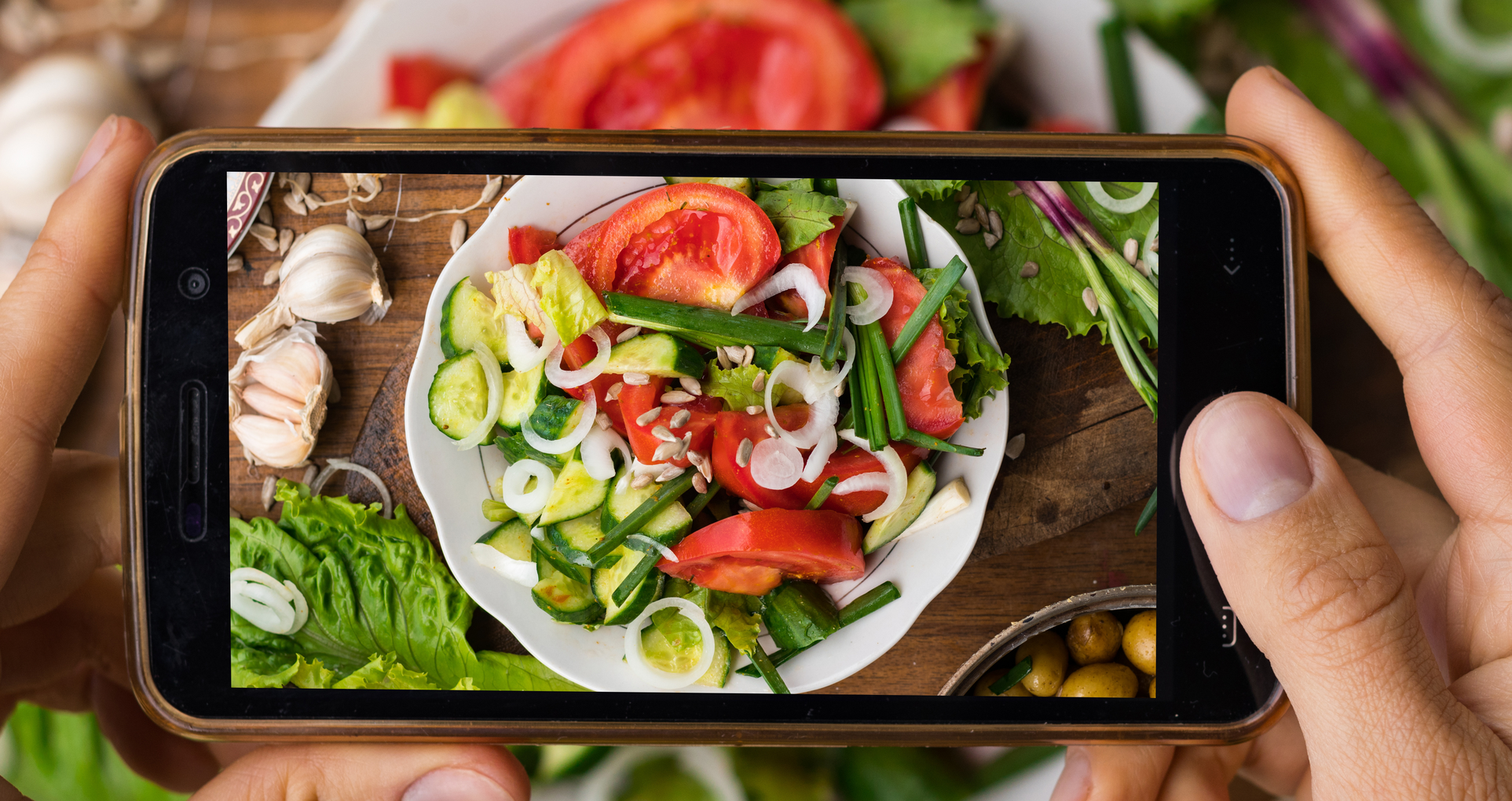
Health-Conscious Dining and Dry January: What Diners Really Want in 2025 [Survey Results]
Your customers, especially the younger ones, are looking for healthier menu items. This survey data reveals the top health-conscious dining insights in 2025.

Tessa ZuluagaAutor
 RECURSO
 La guía de marketing en medios sociales para restaurantes
Descubre cómo optimizar tu presencia en redes sociales para mostrar tu marca, contar tu historia, atraer nuevos clientes e interactuar con tu público.
Obtener descarga gratis | Creado para restaurantes
Health is officially on the menu—literally. With public figures rallying around ideas like 'Make America Healthy Again,' and celebrities praising bone broth diets, it’s clear that conversations about health have greatly shifted.
Diners are seeking restaurants that cater to their demand for high-protein dishes, organic ingredients, and non-alcoholic beverages. Restaurants have a golden opportunity to capitalize on this trend and serve up health-conscious options that resonate with mindful eaters.
To find out what diners really want, Toast conducted a blind survey that reveals insights into these health-conscious dining trends. Join us as we explore how these insights impact both diners and restaurateurs in 2025.
Quick insights:
41% of respondents find it somewhat important that restaurants offer healthy menu options, and 33% find it very important
53% of respondents actively look for restaurants that offer healthier options
36% of respondents are willing to pay more for organic or sustainably sourced dishes
55% of respondents are motivated by health benefits to choose healthy/organic items at a restaurant
43% of respondents wish more restaurants offered high-protein meals
31% of respondents interested in Dry January participate because of the physical and mental health benefits
25% of respondents say that creative ingredients/flavor make a mocktail most appealing
Healthy is in: 53% of respondents actively look for restaurants that offer healthier options
Today’s restaurant-goers are more health-conscious than ever, with 53% of survey respondents actively seeking restaurants that offer healthier menu options. This trend is particularly pronounced among younger diners, as 71% of respondents ages 20-29 actively seek out restaurants that prioritize health-conscious choices.
Additionally, 33% of respondents find it very important for restaurants to offer healthy options, and another 41% find it somewhat important. Clearly, there’s a shift toward healthier dining preferences, largely driven by younger diners.
Restaurants looking to appeal to these health-focused customers can gain a competitive edge by offering a diverse menu of healthy items. This demand for health-conscious dining isn’t just a fad; it’s a significant shift in consumer behavior.
Willingness to pay more for health benefits📈: 36% of respondents are open to paying extra for organic or sustainably sourced dishes
Health-conscious diners are also willing to invest more in their meals if it means reaping the benefits. About 36% of respondents are open to paying more for organic or sustainably sourced dishes. This willingness is highest among younger age groups, with 46% of respondents aged 20-29 and 49% aged 30-39 willing to spend extra.
However, as age increases, this trend diminishes, suggesting that younger generations are more likely to prioritize sustainable and organic options.
The motivation for choosing these healthy or organic items is clear: 55% of respondents cite health benefits as a driving factor. Restaurants that offer organic, high-quality ingredients can not only meet but exceed the expectations of this growing segment of diners.
Gainsville: 43% of respondents wish more restaurants offered high-protein meals 💪
There are many trending diets out there in 2025, from gluten-free to vegan. However, we found that diners are most interested in high-protein menu items. About 43% of respondents expressed a desire for more high-protein choices on restaurant menus. This demand is consistent across all ages and genders, demonstrating a universal appeal.
Restaurants that incorporate protein-rich dishes into their menus can cater to this broad demand while aligning with health-conscious dining trends.
Is Dry January worth the hype? 26% of respondents haven’t participated but plan to
While Dry January has gained traction in recent years, it’s not yet a universal trend. Only 26% of respondents said they haven’t participated but plan to, with men showing a slightly higher likelihood (45%) compared to women (38%).
Interestingly, people aged 30-39 are the most likely to have participated in Dry January and plan to do so again, while 34% of guests aged 40-49 indicated plans to try it for the first time.
For those who do embrace Dry January, it’s likely for health purposes. About 31% of respondents cited physical and mental health as their main motivation. Restaurants can tap into this audience by offering creative and appealing nonalcoholic options during this time.
The nonalcoholic trend: 19% of respondents aged 30-39 frequently choose nonalcoholic options
The nonalcoholic beverage trend is booming, particularly among younger diners. According to the survey, 18% of respondents aged 20-29 and 19% of those aged 30-39 frequently choose mocktails or nonalcoholic beer and wine when dining out. Creativity is key here, as 25% of respondents said that unique ingredients and flavors make mocktails the most appealing.
This trend also influences dining decisions. A notable 34% of respondents aged 30-39 said they would visit a restaurant specifically for its mocktail or nonalcoholic beverage offerings. While this interest peaks with younger demographics, it declines with older age groups.
Similarly, 24% of respondents have tried nonalcoholic beer and plan to drink it again, with this figure rising to 38% among diners aged 30-39.
Catering to the health-conscious consumer
This health-conscious trend continues to gain momentum, particularly among younger diners. To stay competitive, consider introducing nutritious menu items and strategically marketing them to the younger audience.
This can be achieved by showcasing healthy options on social media and by incorporating them into seasonal promotions. By catering to this growing demand, restaurants can attract a loyal base of younger diners and position themselves at the forefront of this thriving trend.
To learn more, make sure to check out our article on Gen Z And Millennial Restaurant Trends.
Plan de marketing para restaurantes
Aprovecha esta plantilla personalizable de guía de marketing y calendario interactivo para crear un plan de marketing que haga que los clientes regresen.

Survey methodology
Toast conducted a blind survey on this topic of 850 U.S. adults ages 20 and older on December 11, 2024. Respondents were not made aware that Toast was fielding the study. All respondents indicated they have dined at a restaurant in the last 90 days. Using a standard margin of error calculation, at a confidence interval of 95%, the margin of error on average is +/- 3 - 5%.
Related Resources


¿Es útil este artículo?
AVISO LEGAL: Esta información se proporciona solo con fines informativos generales y su publicación no constituye un aval. Toast no garantiza la precisión ni la integridad de la información, el texto, los gráficos, los enlaces y otros elementos que incluye este contenido. Toast no garantiza que alcanzarás ningún resultado específico si sigues los consejos que aparecen aquí. Te recomendamos consultar con un profesional, como un abogado, contador o asesor comercial, para recibir asesoramiento específico para tu situación.
 Tendencias


Suscribirse a On the line
Regístrate para recibir opiniones reales, consejos, herramientas e información específica del sector de la mano de quienes están abordando los desafíos más importantes para los restaurantes.
Al enviar, aceptas recibir correos electrónicos de marketing de Toast. Trataremos tu información de acuerdo con nuestra declaración de privacidad. Información adicional disponible para residentes de California aquí.