
Chef Skills: What Skills Do You Need to be a Chef
Learn all about the role of a chef and discover the skills that make a great chef.

Jim McCormickAutor
 RESOURCE
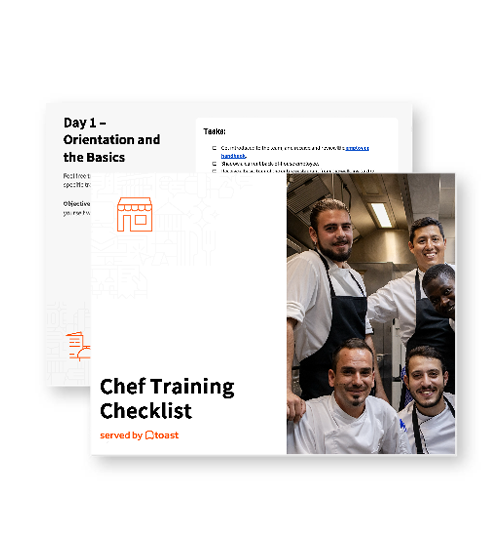
 Chef Training Checklist
Use this free checklist to help streamline your training process and set your new chefs up for success.
Obtener descarga gratis | Creado para restaurantes
Mastering the Craft: Essential Chef Skills for Success
A skilled chef is the backbone of any restaurant or food establishment. Apart from creating delicious food, a chef plays a crucial role in providing a positive dining experience for the customers. From excellent customer service to technical proficiency in cooking, there are multiple key skills that contribute to the success of a chef.
Chef Training Checklist
Use this free checklist to help streamline your training process and set your new chefs up for success.

What Skills Make a Chef Successful?
A successful chef possesses excellent culinary skills, time management expertise, the ability to work in a team and to manage people effectively. They must also have excellent customer service skills, create exceptional dishes, and navigate peak hours efficiently.
Culinary Skills
A chef must have technical proficiency in cooking, including techniques, methods, ingredients and kitchen equipment. An in-depth knowledge of flavors, taste, texture and presentation of dishes is crucial to deliver mouth-watering meals consistently.
Time Management
Efficiently handling peak hours, balancing speed and quality in service, and prioritizing tasks during a shift are crucial skills that chefs must possess. Additionally, juggling multiple dishes, preparing them on time, and planning ahead of time can significantly impact the success of a restaurant.
Leadership and People Skills
The ability to lead a team, adjust to various personalities, and manage people effectively is imperative for a chef. A successful chef must communicate clearly with their staff, delegate tasks efficiently, and maintain a positive working environment to ensure optimal productivity and output.
Examples of Specific Chef Skills: Hard and Soft Skills
Chefs require both hard skills and soft skills to excel in their profession. Hard skills include technical proficiency in cooking, kitchen equipment and food hygiene standards. On the other hand, soft skills such as excellent customer service, communication, and time management are vital to handle customer interactions and navigate peak hours efficiently. A combination of these skills is necessary to ensure that diners receive a memorable experience and maintain a loyal following.
Chef Hard Skills
Knife Skills: Understanding the different types of knives, cutting techniques and knife maintenance.
Cooking Techniques: Knowledge of different cooking methods: grilling, frying, sautéing, baking etc. and understanding the right temperature, times and seasonings required to achieve perfect dish.
Kitchen Sanitation: Maintaining safe, clean, and hygienic work environments, including the importance of food storage and proper disposal of waste.
Chef Soft Skills
Communication: Clear communication with colleagues and customers, active listening, and effective team collaboration.
Leadership: Effective management of staff, delegation and problem-solving, and maintaining a healthy work environment.
Time management: Juggling multiple tasks and ensuring that dishes are served on time, managing peak hours, and prioritizing tasks efficiently.
Plantilla del manual de capacitación
Usa esta plantilla de manual de capacitación para restaurantes, un documento de Word personalizable, para proporcionar a tu personal las reglas, pautas y claridad que necesitan para hacer su trabajo con eficiencia.
How to Improve Specific Chef Skills
Chefs can improve their skills by attending training sessions, seeking feedback, reading industry publications, and experimenting with new ingredients and cooking techniques. A growth mindset, willingness to learn, and passion for culinary arts are key to becoming an exceptional chef.
Training programs and courses: Online and in-person culinary courses, workshops for advanced techniques.
Continuous practice: Regularly creating and experimenting with dishes, seeking feedback from experienced chefs.
Seeking mentorship: Learning from experienced chefs, participating in culinary communities, and attending industry events and competitions.
Common Jobs That Chefs Can Get Promoted Into
A job as a chef can provide the foundation for promotion to larger roles within the food industry. By excelling in their chef position and demonstrating the necessary skills, chefs can gain recognition and opportunities for advancement. They may be considered for roles such as sous chefs, head chefs, executive chefs, or even restaurant owners.
Sous Chef: Assisting the head chef with management and scheduling of staff, menu creation and inventory management.
Head Chef: Leading culinary teams, menu creation, maintaining food quality and training of new kitchen staff.
Executive Chef: Overseeing multiple kitchens across one or many locations, ensuring that quality and consistency of meals are maintained.
Restaurant Owner: Owning and managing their own restaurant, managing budgets and financial responsibilities.
Conclusion
Mastering the craft of being a chef requires a combination of essential skills, continuous learning, and a passion for culinary arts. By honing their culinary abilities, time management, leadership, people and customer service skills, aspiring chefs can pave their way towards success.
With dedication and commitment, the opportunities for career growth in the food industry are abundant. So, aspiring chefs, embrace your passion and embark on a journey of becoming a skilled chef. Remember, the key to success lies in your constant pursuit of improvement and your love for the art of cooking.
Plantilla de manual de empleados
Describe las políticas de personal de tu restaurante en este documento de Word personalizable para ayudar a la gerencia y al personal a estar alineados.
¿Es útil este artículo?
AVISO LEGAL: Esta información se proporciona solo con fines informativos generales y su publicación no constituye un aval. Toast no garantiza la precisión ni la integridad de la información, el texto, los gráficos, los enlaces y otros elementos que incluye este contenido. Toast no garantiza que alcanzarás ningún resultado específico si sigues los consejos que aparecen aquí. Te recomendamos consultar con un profesional, como un abogado, contador o asesor comercial, para recibir asesoramiento específico para tu situación.
Suscribirse a On the line
Regístrate para recibir opiniones reales, consejos, herramientas e información específica del sector de la mano de quienes están abordando los desafíos más importantes para los restaurantes.
Al enviar, aceptas recibir correos electrónicos de marketing de Toast. Trataremos tu información de acuerdo con nuestra declaración de privacidad. Información adicional disponible para residentes de California aquí.