
How to Choose Catering Business Insurance: Guide to Catering Business Insurance Quotes (2025)
Explore the vital aspects of catering business insurance, from liability to property coverage. Protect your culinary venture with expert insights and tips.
Jim McCormickAutor
 RECURSO
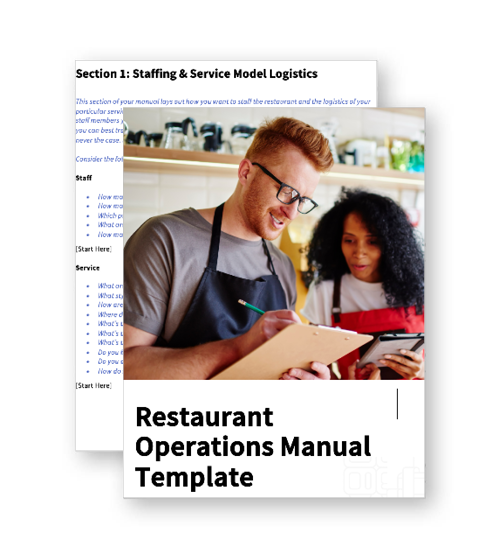
 Plantilla de manual de operaciones para restaurantes
Usa esta plantilla gratuita para describir fácilmente todos tus procedimientos operativos y lograr que las operaciones diarias sean tan uniformes como sea posible.
Obtener descarga gratis | Creado para restaurantes
How to Choose Catering Business Insurance
Running a catering business entails far more than just culinary skills and a welcoming atmosphere; it involves navigating a variety of risks that could potentially jeopardize your investment and hard-earned profits. In this complex landscape, catering insurance emerges as a critical tool for safeguarding your business against unforeseen events. From natural disasters to liability claims, the right insurance coverage is essential to maintaining the stability and profitability of your enterprise. This is reason enough to familiarize yourself with business insurance, to ensure you are compliant with state and local regulations.
As we delve deeper into the world of catering insurance, we will explore a range of coverage options tailored to the unique needs of food businesses. These include general liability insurance, property insurance, workers' compensation insurance, and more. Each type of coverage serves as a vital layer of protection, ensuring that your catering business is equipped to weather any challenge and continue thriving in the face of adversity. So let's unravel the details of catering insurance and understand why it's indispensable for the sustained success of your culinary venture.
Lista de verificación para abrir un restaurante
Abrir un restaurante implica un montón de cosas. Usa esta lista de verificación en PDF gratuita para que tu nuevo restaurante tenga éxito.

What is Catering Business Insurance?
Catering insurance encompasses a specialized range of coverage options crafted to protect catering businesses from potential financial setbacks resulting from diverse risks and liabilities. When evaluating the insurance needs of your catering business, it's smart to consider a variety of factors unique to your operations, location, and industry regulations.
Assessing the appropriate coverage levels requires an analysis of potential risks, including property damage, liability claims, employee injuries, and more. Factors such as the size of your catering business, its location, and the nature of its operations all play pivotal roles in determining the right coverage.
Catering businesses might opt for lower coverage levels to minimize immediate insurance costs, particularly when operating on tight budgets or in low-risk environments. However, such decisions carry risks, as inadequate coverage could leave the business vulnerable to financial losses in the event of unforeseen circumstances.
Conversely, catering businesses may choose higher coverage levels to provide more robust protection against a wider range of risks and liabilities. While this approach entails higher premiums, it offers greater peace of mind and ensures comprehensive financial security in the face of potential threats.
Ultimately, striking the right balance between cost and coverage is essential. By carefully assessing your catering business's unique risk profile and selecting appropriate coverage levels, you can effectively safeguard your enterprise while optimizing financial efficiency.
What are commonly used insurance types for catering business?
Catering insurance includes various types of coverage designed to protect against different risks and liabilities. Understanding these coverage options is essential for ensuring the right protection for your establishment. Let's take a closer look at the key types of insurance commonly utilized by catering businesses.
General Liability Insurance:
Protects against claims from third parties for bodily injury, property damage, or personal injury.
Essential for addressing incidents like slips, falls, food-related illnesses, or customer dissatisfaction lawsuits.
Property Insurance:
Covers physical assets such as buildings, equipment, and inventory against damage or loss caused by fire, theft, or vandalism.
Provides financial support for repairing or replacing damaged property, minimizing disruptions to your operations.
Workers' Compensation Insurance:
Mandatory coverage that offers benefits to employees injured while performing job duties, including medical expenses and lost wages.
Helps mitigate legal risks and underscores your commitment to employee well-being and safety.
Liquor Liability Insurance:
Critical for catering businesses serving alcohol, offering protection against claims stemming from alcohol-related incidents such as accidents or injuries.
Shields your business from liability associated with over-serving intoxicated patrons.
These types of insurance serve as fundamental safeguards for catering businesses, providing financial protection and peace of mind in the face of various risks and liabilities. By understanding and implementing the appropriate coverage options, catering business owners can effectively protect their enterprises and ensure their long-term success.
How much does catering business insurance cost?
The cost of catering insurance can vary significantly based on several factors including the size of your establishment, its location, revenue, and the extent of coverage required. Below is a general range of monthly premiums for four common types of catering insurance.
Insurance Type | Range of Costs |
General Liability Insurance | $200+ per/month |
Property Insurance | $100+ per/month |
Workers' Compensation Insurance | $100+ per/month |
Liquor Liability Insurance | $100+ per/month |
Actual premiums may vary based on specific factors related to your catering business. While costs can range from a few hundred to several thousand dollars per month, investing in comprehensive coverage is crucial for ensuring the long-term financial security and sustainability of your business.
Example Types of Catering Businesses and Their Insurance Needs
Different types of catering businesses will have distinct insurance needs tailored to their specific operations and risks. Understanding these differences is crucial for ensuring adequate coverage and protection. Below are some examples of these differences.
Full-Service Catering Company
A full-service catering company requires coverage to protect against certain risks. This includes property insurance for the catering facility, equipment, and inventory against damage or loss. Additionally, general liability insurance is essential to protect against claims of bodily injury or property damage at event venues. Workers' compensation insurance is also necessary to cover employee injuries. Given the scale of operations and potential liabilities, comprehensive coverage is vital to mitigate risks and ensure financial protection.
Food Truck Catering Service
A food truck catering service has unique mobility and operational requirements, necessitating specialized insurance coverage. This includes mobile property insurance for the food truck, equipment, and inventory while in transit or parked at event locations. Auto insurance is crucial for vehicles used in food delivery or transportation. Additionally, general liability insurance protects against liability claims at various event venues. Tailored coverage is essential to address specific risks like accidents during transit or liability claims and protect the business.
Special Event Caterer
A special event caterer offering services for weddings or corporate events requires specialized insurance coverage. In addition to property and general liability insurance, product liability insurance may be necessary to protect against claims related to food allergies or product defects. Workers' compensation insurance is also essential to cover employee injuries at event venues. Tailored coverage is crucial to address the unique risks associated with special event catering and ensure comprehensive protection for the business.
In summary, different types of catering businesses have unique insurance needs based on their operations, event locations, and risk profiles. Tailoring insurance coverage to address these specific requirements is essential for ensuring adequate protection and mitigating financial risks associated with unforeseen events or liabilities.
Conclusion
Catering insurance is an investment for safeguarding your business against unforeseen risks and liabilities. By understanding your insurance needs and selecting appropriate coverage options, you can ensure the long-term success and sustainability of your catering business. Don't wait until disaster strikes – take proactive steps to secure comprehensive insurance coverage today.
When purchasing catering insurance, you have options to work with an insurance agent or explore online platforms. Working with a knowledgeable agent can help you navigate complex coverage options and tailor policies to meet your specific needs. Whether you choose to consult with an agent or explore online platforms, prioritizing the protection of your catering business through adequate insurance coverage is essential for peace of mind and financial security.
Related Resources
¿Es útil este artículo?
AVISO LEGAL: Esta información se proporciona solo con fines informativos generales y su publicación no constituye un aval. Toast no garantiza la precisión ni la integridad de la información, el texto, los gráficos, los enlaces y otros elementos que incluye este contenido. Toast no garantiza que alcanzarás ningún resultado específico si sigues los consejos que aparecen aquí. Te recomendamos consultar con un profesional, como un abogado, contador o asesor comercial, para recibir asesoramiento específico para tu situación.
Suscribirse a On the line
Regístrate para recibir opiniones reales, consejos, herramientas e información específica del sector de la mano de quienes están abordando los desafíos más importantes para los restaurantes.
Al enviar, aceptas recibir correos electrónicos de marketing de Toast. Trataremos tu información de acuerdo con nuestra declaración de privacidad. Información adicional disponible para residentes de California aquí.