How to Use Menu Engineering to Increase Profits in Canada
From using the correct language to describe your menu offering, to keeping the menu short and sweet, here's how you can use menu engineering to your restaurants advantage.

Justin GuinnAuthor
Designing a menu is about more than just listing your dishes. It’s one of your restaurant’s most powerful sales tools. Done right, menu engineering can boost your bottom line, streamline operations, and help guests make quicker, more confident choices.
In this guide, we’ll break down the fundamentals of menu engineering and explain how Canadian restaurant operators, from QSRs to full-service venues, can use data-driven menu strategies to increase profits and delight diners.
Restaurant Menu Templates
Use these menu templates as a starting point for your menu design or to give your menus a refresh.

What is Menu Engineering?
Menu engineering is the process of analysing the profitability and popularity of your menu items and strategically designing your menu layout to feature the most valuable items more prominently.
According to the Toast Consumer Preferences Survey 2025, where 200 Canadian restaurant-goers were polled on their restaurant design and menu preferences, 51.5% of Canadian diners say they sometimes notice when menu items are strategically placed — and 13.5% say they always do.
A well-engineered menu helps you:
Drive more sales of high-margin items
Reduce decision fatigue for guests
Align pricing and item placement with your brand strategy
Simplify inventory and reduce waste
How to Conduct a Menu Engineering Analysis
Menu engineering relies on categorizing your dishes based on their popularity and profitability. First, gather your sales data, then sort your dishes into these four groups:
Category | Description | Example |
Stars | High profit, high popularity | Best-selling dishes with great margins |
Ploughhorses | Popular but less profitable | Crowd favourites with lower margins |
Puzzles | High profit, low popularity | Hidden gems you want guests to order more |
Dogs | Low profit, low popularity | Dishes to reconsider or rework |
Optimize Your Menu Layout
Canadian diners don’t scan menus top to bottom. Eye-tracking studies suggest they look at specific hotspots: top left, top right, and centre — also called the “Golden Triangle.” Place your most profitable dishes here.
Highlight premium items with:
Bordered boxes
Icons (e.g. vegan, gluten-free, spicy)
“Chef’s Pick” or “Best Seller” tags — which 42% of Canadian diners interviewed say they often order when called out
Avoid clutter. According to the same survey, too many options and a lack of clear categories are top annoyances.
Price for Perception and Profit
Pricing isn’t just about food cost — it’s also about psychology. A study at Cornell University found that removing currency symbols from menus encouraged higher spending. Diners already understand the numbers listed are prices — adding a $ symbol can activate feelings of cost-consciousness.
According to the Toast Consumer Preferences Survey 2025, 52% of Canadians prefer whole number pricing (e.g., $12 instead of $11.99), with another 28.5% having no strong preference.
[Create and insert graph from page 14 of Batch-5-Pollfish-Survey-CA-Results.pdf]
Consider testing:
Whole number pricing for simplicity
Removing dollar signs entirely
Bundled or prix fixe options for group dining
Use Descriptions That Sell
The right words can make all the difference. When you describe your pasta as "house-made tagliatelle with seasonal mushrooms and locally-sourced herbs," you're not just listing ingredients - you're telling a story that justifies your price point and builds trust with your guests.
The language you use should match your restaurant's personality. Whether that's rustic and homey or refined and elegant, make sure your menu speaks with your voice.
From our consumer survey:
61.5% of Canadian diners say menu descriptions influence their choices
“Best seller” and “house-made” are the top persuasive terms
Try this: Instead of “Tomato Soup,” try “Velvety house-made tomato soup with fresh basil and cream.”
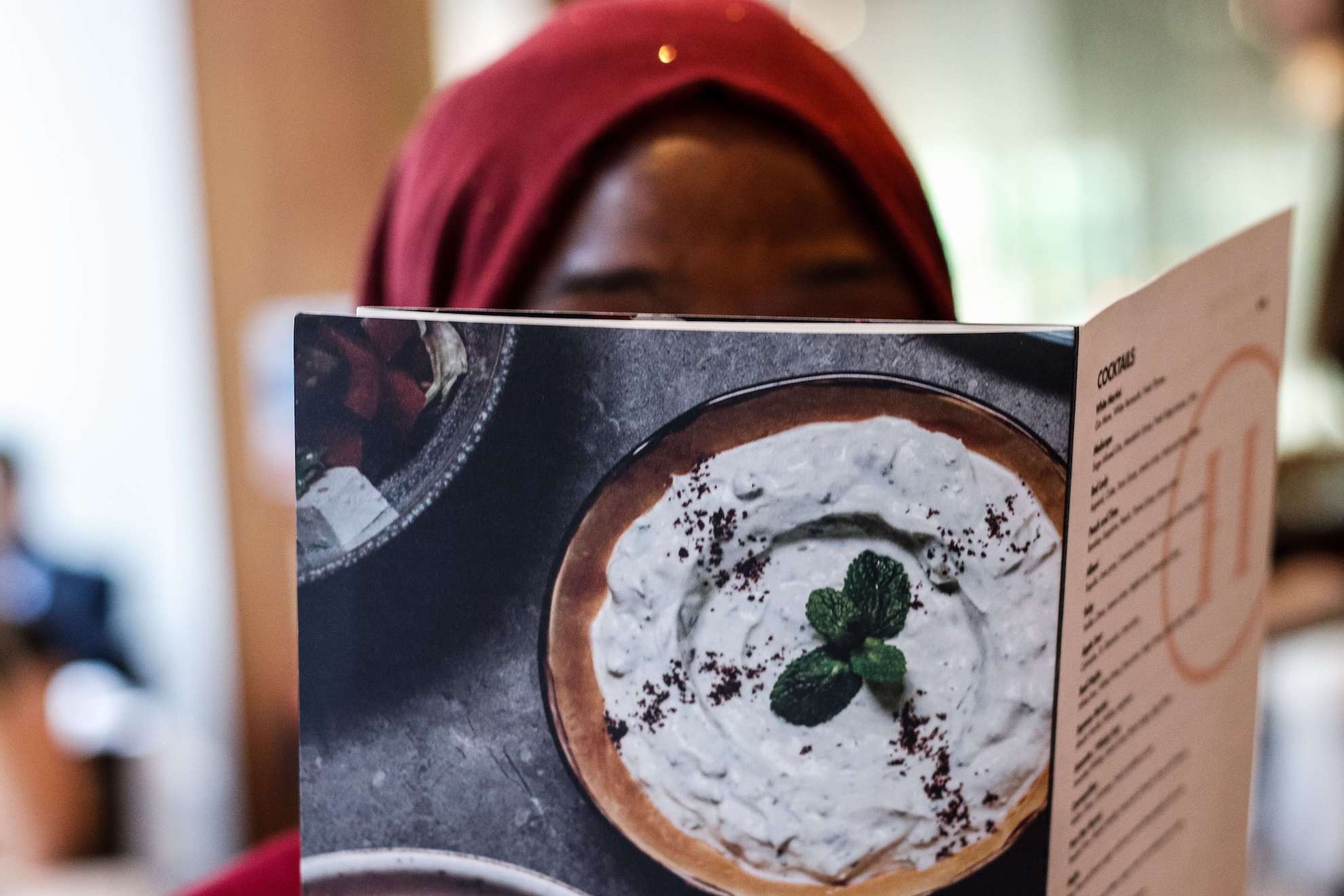
Photos: Use with Care
Photos can increase sales by up to 30% when used well — but poor-quality images can do more harm than good. If you use visuals:
Invest in professional photography
Keep images consistent in style and tone
Or, link to your [Instagram page] or [TikTok menu preview] via QR code
Canadian diners are photo-conscious: 82.5% find photos at least somewhat important when deciding what to order.
Menu Design Tips for Canadian Operators
Keep categories clear: Most diners prefer course-based menus (e.g., starters, mains, desserts)
Limit choices: The sweet spot is 6–8 items per section
Group modifiers (e.g. “Add chicken +$4”) to reduce visual noise
Highlight sustainability: 79% of Canadians want sustainably produced products
Ready to Get Started?
Your menu is more than a list of dishes. It’s one of the most powerful tools you have to grow your business. With smart engineering, you can boost profits, improve customer satisfaction, and streamline operations.
 TOAST TECH
 Built for restaurants just like yours.
Toast’s restaurant technology includes point of sale, kitchen display screens, online ordering, loyalty, analytics, payroll, and more.
Is this article helpful?
DISCLAIMER: This information is provided for general informational purposes only, and publication does not constitute an endorsement. Toast does not warrant the accuracy or completeness of any information, text, graphics, links, or other items contained within this content. Toast does not guarantee you will achieve any specific results if you follow any advice herein. It may be advisable for you to consult with a professional such as a lawyer, accountant, or business advisor for advice specific to your situation.
Subscribe to On the line
Sign up to get industry intel, advice, tools, and honest takes from real people tackling their restaurants’ greatest challenges.
By submitting, you agree to receive marketing emails from Toast. We’ll handle your info according to our privacy statement. Additional information for California residents available here.