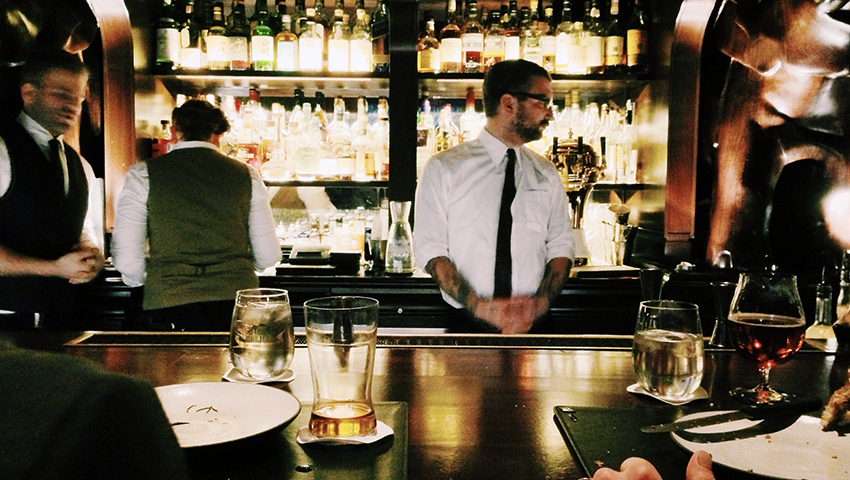
10 Types of Bars: A Complete Guide for Aspiring Owners
Understand all the different types of bars and drinking holes you can open and operate before launching your new business.

Maddie RocklinAuthor
 RESOURCE
 Opening a Bar Checklist
So many things go into opening a bar. With this free PDF checklist, you'll set your new business up for success.
Get Free Download | Built for Restaurants
Key takeaways
Explore diverse bar types: Bars come in many distinct varieties, from cocktail and wine bars to dive bars, sports bars, and nightclubs, each offering unique experiences for different customer preferences.
Know your niche: Understanding the unique focus of each bar type—whether it’s mixology, entertainment, atmosphere, or specialty drinks—helps bar owners align their concept with their target audience and marketing strategy.
Price, atmosphere, and service matter: These three factors are key in defining and differentiating bars, shaping drink menus, décor, and customer expectations.
Location and timing influence success: Where a bar is located and strategic offerings like happy hour specials affect pricing and customer appeal.
Choose the right concept: Selecting the appropriate bar type and concept is crucial for business success and delivering a memorable guest experience.
Drinking establishments are everywhere — from your local neighborhood pub, to your favorite college dive bar, to the cool speakeasies you discovered in that city you loved visiting for a great night out.
Understanding the different kinds of bars out there is important for bar owners and patrons alike. For owners, to open a bar suits their vision, and to inform their eventual marketing strategy. For guests, to find the right watering hole that suits their palate and offers a unique experience.
Read on for a break down of what you can expect at each of the different types of bars to choose from.
Types of bars
1. Cocktail bars
Cocktail bars focus on mixology. They serve a range of mixed alcoholic drinks, from classics like martinis, manhattans, mojitos, and margaritas, to specialty drinks that are usually concocted and created in-house. Typically found in cities or downtown, cocktail bars can take many forms and often offer a fantastical sort of laid-back ambiance – from themed classic cocktail lounges to speakeasies to rooftop bars.
2. Sports bar
Sports bars tend to be very casual and focused more on providing entertainment for sports enthusiasts than serving unique drinks. Games and sporting events are guaranteed to be on display on large-screen TVs throughout the bar, offering a venue for people to gather and cheer on their favorite team. Sports bars usually offer a food menu as well, featuring classics like wings and nachos, and while beer tends to be the drink of choice, some do offer a comprehensive drink menu with wine and spirits, too.
3. Dive bar
Think karaoke, darts, and your favorite college bars. Dive bars are small, hole-in-the-wall spots, designed to provide alcoholic beverages to locals with minimal frills. Food is typically not served, and style is not prioritized. Most dive bars are home to neighborhood regulars and create a setting primarily for people to gather and socialize over drinks at a low price point. Many also double as lively karaoke bars.
4. Wine bar
Where cocktail bars focus on cocktails, wine bars focus on – you guessed it – wine. And with so many varieties from regions across the globe, it makes sense that wine would need a standalone category, catering specifically to wine enthusiasts. Beyond their exclusive focus on wine, wine bars also differ from other bars in that they offer an extensive selection of wine by the glass, giving their customers the opportunity to try a wider variety than might be available somewhere else. Wine bars can also be quick-service restaurants, offering quality food to pair well with different glasses, eaten either on-site or as a takeout meal.
5. Brewpubs or tavern
Pub is short for “public house,” a term that originated in the UK (Irish pubs do, in fact, have historical roots in Ireland). When public houses became popular in America, they were referred to as “taverns.” The main feature that separates both pubs and taverns from other types of bars is their focus on food. With full table service and menus that tend to expand beyond just alcoholic beverages, these establishments are more family-friendly than a cocktail bar or dive bar.
6. Live music bar
Sports bars aren’t the only bars that offer some form of entertainment. Enter: live music joints! Bars that regularly feature live music usually have a stage or designated area for a band or DJ to perform, and a dance floor for guests to get caught up in the music. Live music venues, where the focus is primarily on concerts and hosting musical talent, also usually have a bar area for concert-goers to get drinks while enjoying the show.
7. Hotel bar
Many hotels also include a bar as part of the same establishment. These bars are available to guests staying at the hotel, who have the benefit of being able to charge a tab to their hotel room. Hotel bars can also be open to the general public, although more upscale hotels tend to have a more exclusive admittance policy. Hotel bars are usually found in the lobby of a hotel building or, in more high-end establishments, on the roof.
8. Specialty bars
Like cocktail bars and wine bars, a specialty bar is any bar with a specific focus: a tequila bar, gin bar, whiskey bar, vodka bar, or even cigar bar, where guests can smoke and drink. All of these establishments serve alcoholic beverages, but with an intentional focus on curating a specific, high-quality selection for those looking to further explore and expand a given palette.
9. Nightclubs
Think flashing lights, booming speakers, and a packed dance floor that keeps pulsing until the early hours. Nightclubs center their experience around high-energy music, often with a live DJ or rotating roster of performers, and a large space dedicated to dancing. While cocktails, bottle service, and VIP table packages are available, the true focus is on entertainment and atmosphere, making these venues prime destinations for late-night socializing and celebration.
10. Themed bars
Think tiki bars, mugs, retro neon signs, and the joyful chime of arcade games stacked against the wall. A themed bar builds its entire identity around a central concept—whether that’s a specific era (speakeasy, Prohibition era-style bars), pop-culture inspiration (movie or comic book settings), region (tiki or Irish-style), or activity-driven focus like board-game cafés. Décor, drink menus, and even staff attire reinforce the chosen theme, offering guests an immersive environment that’s as much about the atmosphere as it is about the beverages.
Bar Equipment Checklist
Opening or upgrading a bar? Don't miss any essential equipment! Download our free, comprehensive Bar Equipment Checklist.

How to categorize a bar
To understand how bars are best categorized and how they appeal to their customer base, we’ll look at three factors: price point, atmosphere, and service and presentation.
A bar’s price point is how much your experience will cost relative to other bar experiences. This can vary across types of types of bars — wine and cocktail bars tend to have higher prices, while dive bars have more low cost options — and across individual establishments within one restaurant type — some fast sports bars or live music bars have a higher point than others.
Location can also play a factor in price: bars in busy cities tend to be more expensive than those in the suburbs.
In some states, price points can also change within bars: many places offer discounted happy hour drinks to attract more customers after work.
While there isn’t one set time, typically, happy hour is between 4 - 8 PM, Mondays through Fridays. This fills the time before a dinner rush where a restaurant might have a lull in activity, and also conveniently lines up with the time when most people are leaving work for the day.
Caroline Price
Author & Senior Content Marketing Associate at Toast
A bar’s atmosphere is set by its style and design, aesthetic and decor, lighting, cleanliness and quality of service. A dive bar with pitchers of beer on plastic tablecloths where college students gather between rounds of darts, offers up a more relaxed atmosphere, while a cocktail lounge with velvet couches, ambient lighting, and bartenders whipping up creative, whimsical drinks creates a very different vibe. A live music bar with loud music and dancing also fosters a very different atmosphere than a low-key speakeasy or a high-end bar with a dress code.
Finally, bars can be categorized by the type of service offered and the way drinks are presented. While a guest would likely expect table service at a wine bar or tavern, such service at a live music venue would probably feel out of place. If a cocktail bar served specialty drinks in a plastic beer cup, guests would likely be just as confused as if a dive bar served beer from fancy glassware fit for martinis and margaritas.
Related Bar Business Resources
Is this article helpful?
DISCLAIMER: This information is provided for general informational purposes only, and publication does not constitute an endorsement. Toast does not warrant the accuracy or completeness of any information, text, graphics, links, or other items contained within this content. Toast does not guarantee you will achieve any specific results if you follow any advice herein. It may be advisable for you to consult with a professional such as a lawyer, accountant, or business advisor for advice specific to your situation.
 Trending
Subscribe to On the line
Sign up to get industry intel, advice, tools, and honest takes from real people tackling their restaurants’ greatest challenges.
By submitting, you agree to receive marketing emails from Toast. We’ll handle your info according to our privacy statement. Additional information for California residents available here.