
Restaurant Events: Ideas & Tips for Bringing Guests Together
Discover how restaurant events can drive revenue, fill slow periods, and build customer loyalty. Learn proven event ideas, marketing strategies, and execution tips backed by 2025 industry data.
Aislinn CokerAuthor
 RESOURCE
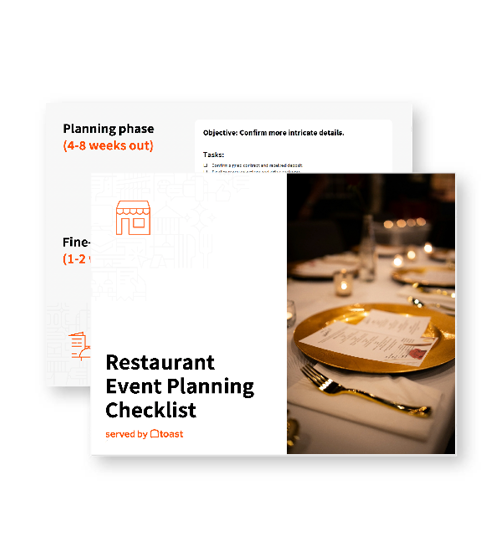
 Restaurant Event Planning Checklist
Download our easy-to-use checklist to help you stay organized, on-track, and calm through every step of the restaurant event planning process. From early prep weeks out to the day-of, this checklist is built to make your events shine.
Get Free Download | Built for Restaurants
Hosting events is one of the best ways to bring people together around great food, fun, and connection. According to Toast’s 2024 Restaurant Catering and Events Study, over 45% of diners have discovered a restaurant through a catered event and returned to dine there later.
Food and drink are the top priorities when choosing where to celebrate, with 37% of guests picking restaurants based on their menu and beverage offerings.
Whether it’s a lively trivia night, a private birthday dinner, or a wedding celebration, restaurant events turn one-time visitors into lifelong fans. In this guide, we’ll explore why hosting events is worth the effort, popular types of restaurant events, and practical tips for planning them.
Key takeaways
Hosting events helps restaurants attract new guests and turn one-time visitors into loyal regulars.
Community and food-focused events highlight your brand’s personality while strengthening neighborhood connections.
Regular entertainment nights and seasonal celebrations can boost traffic and fill slow periods.
Private and loyalty-focused events deepen relationships and create repeat business.
Careful planning, promotion, and post-event feedback turn each gathering into a long-term growth opportunity.
Restaurant Event Agenda template
Download this template to stay organized during your restaurant's events.

Why host events at your restaurant?
Restaurant events are powerful tools for connection, marketing, and growth. Whether it’s a lively trivia night or an intimate tasting dinner, events help you stand out and give guests new reasons to visit.
Attract new guests: Introduce your restaurant to people who may not have discovered you otherwise.
Boost sales on slow days: Fill tables during off-peak hours with themed nights or community gatherings.
Build loyalty: Strengthen relationships with regulars through exclusive or recurring events.
Showcase your brand: Highlight your food, drinks, and hospitality in creative, memorable ways.
Engage your community: Partner with local businesses, artists, or charities to deepen neighborhood ties.
Types of restaurant events
The best restaurant events reflect your concept, community, and customer base. Here are six popular event types to inspire your calendar and help you reach different audiences year-round.
1. Community-Focused Events
Community events help your restaurant become more than just a place to eat — they turn it into a gathering space. These events work best for restaurants looking to strengthen neighborhood connections, build goodwill, and reach new audiences through local partnerships.
A powerful example comes from Duke’s Malibu, which hosted a free community event for residents displaced by January’s devastating wildfires. The gathering brought neighbors together to share food, stories, and solidarity in the face of loss. Jimmy Chavez, general manager and partner at Duke’s, said:
“We’re just really happy to be that place where people can come together again… It’s been such a challenging year for everyone. Even though we’re not fully open yet, having neighbors reconnect in our space feels really special.”
These kinds of events remind guests that restaurants are pillars of the community — not just businesses.
Fundraisers or donation nights for local schools and charities
Art showcases featuring neighborhood artists or student work
Pop-ups with local vendors or farmers market collaborations
Community cleanups or volunteer days followed by discounted meals
Youth sports team sponsorships and post-season celebrations
2. Food and drink experiences
Food and beverage–focused events spotlight what you do best — great food, drinks, and hospitality. They’re ideal for full-service restaurants, breweries, and wine bars looking to attract food enthusiasts or generate buzz around new menu items.
According to Escoffier School of Culinary Arts, 69% of consumers say they’d likely attend a tasting event, making it the most in-demand on-site experience. Other popular ideas include private dinners with the chef (52%), cooking classes (47%), and family-friendly demos (41%).
Chef’s table dinners or tasting menus featuring seasonal ingredients
Wine or craft beer pairing nights with local producers
Cooking classes or live demonstrations
Mixology or cocktail-making workshops
Limited-edition menu launches or ingredient-focused pop-ups
3. Entertainment nights
Entertainment events turn your restaurant into a go-to destination for fun and energy. These work especially well for casual dining spots, bars, and breweries that want to drive consistent traffic and create a lively atmosphere. Regularly scheduled entertainment builds routine — guests start planning their week around your events.
Weekly trivia or karaoke nights
Open mic nights for local performers
Live music from neighborhood bands
Stand-up comedy showcases
Themed movie or TV nights (cult classics, sports finals, etc.)
4. Seasonal and holiday celebrations
Seasonal and holiday events are ideal for restaurants that thrive on festive décor, themed menus, and family-friendly experiences. These events encourage advance bookings and give guests a reason to choose your restaurant for their special occasions.
Valentine’s Day prix fixe dinners or wine pairings
Summer BBQs, patio parties, or outdoor music nights
Fall harvest or Oktoberfest celebrations
Halloween costume contests and themed cocktails
Winter holiday brunches or New Year’s Eve countdown events
5. Loyalty and customer appreciation events
These events work best for restaurants with strong repeat traffic or established loyalty programs, like coffee shops and cafes. They show guests they’re valued, encourage return visits, and turn satisfied customers into brand advocates.
Exclusive previews of new menus or seasonal specials
Birthday clubs with discounts or complimentary desserts
VIP nights for your most loyal customers
Loyalty program milestone celebrations
Invite-only tastings or appreciation happy hours
6. Private events and rentals
Private events are ideal for restaurants with flexible layouts or private dining rooms and can generate reliable revenue outside normal service hours. By offering catering packages or event coordination, you can attract groups celebrating weddings, birthdays, and company milestones.
Weddings and rehearsal dinners
Birthday or anniversary celebrations
Graduation parties and reunions
Corporate happy hours or team-building events
Private brunches or holiday parties
How to plan successful restaurant events
Successful events don’t just happen — they’re the result of careful planning and coordination. From choosing the right night to getting the word out, every detail counts. Here’s how to set your restaurant up for a full house and a smooth service:
Set clear goals: Know what success looks like — are you focused on driving revenue, raising brand awareness, or building community connections?
Pick the right time: Schedule events on slower nights or during off-hours to maximize value without overwhelming your team.
Create a budget: Factor in food and beverage costs, décor, entertainment, marketing, and extra staffing.
Promote early and often: Spread the word on your website, social media, email newsletters, and in-store signage. Reach out to local promoters and local media. For example, 417 Magazine curated a list of Southwest Missouri event venues. Getting on lists like this can establish credibility and drive more bookings.
Use technology: Track event-specific sales and performance in your POS analytics.
Train and staff accordingly: Assign clear roles for service, check-ins, setup, and cleanup to keep things running smoothly.
Gather feedback: Ask guests for feedback through surveys or online reviews to learn what worked — and make the next event even better.
Bringing everything (and everyone) together
Restaurant events build stories, relationships, and memories that keep guests coming back. Whether you’re hosting a community fundraiser, a chef’s table dinner, or a weekly trivia night, each event is a chance to show what makes your restaurant special.
Restaurant Banquet Event Order (BEO) Template
This free BEO template can help your restaurant optimize incoming catering requests and streamline documentation.
FAQ
How far in advance should I start planning a restaurant event?
Ideally, begin planning at least one to two months ahead. This gives you enough time to confirm vendors, secure staff, and promote the event.
What’s the most profitable type of restaurant event?
Private events and ticketed experiences like chef’s dinners or wine pairings tend to be the most profitable because they guarantee revenue and allow you to control costs upfront.
How do I price tickets for restaurant events?
Factor in food, labor, entertainment, and marketing costs, then add a profit margin that aligns with your brand. Be transparent about what’s included to justify the price.
Should I require deposits for private events?
Yes — deposits protect against last-minute cancellations and ensure commitment. A 25–50% deposit is standard for most private bookings.
How can I promote restaurant events on a limited budget?
Leverage social media, email newsletters, and in-house signage. Encourage your staff to spread the word and partner with local businesses or influencers for cross-promotion.
What if an event doesn’t sell well?
Offer limited-time discounts, bundle deals, or giveaways to boost interest. You can also reposition it as a smaller, more intimate experience rather than canceling outright.
How do I handle dietary restrictions during events?
Ask about allergies and dietary needs during ticket purchase or reservation. Plan a few flexible dishes in advance to accommodate most requests smoothly.
Can virtual restaurant events be successful?
Yes — livestreamed tastings, mixology classes, or cooking demos can engage audiences who can’t attend in person. They’re also great tools for building your brand’s reach online.


Is this article helpful?
DISCLAIMER: This information is provided for general informational purposes only, and publication does not constitute an endorsement. Toast does not warrant the accuracy or completeness of any information, text, graphics, links, or other items contained within this content. Toast does not guarantee you will achieve any specific results if you follow any advice herein. It may be advisable for you to consult with a professional such as a lawyer, accountant, or business advisor for advice specific to your situation.
 Trending
Subscribe to On the line
Sign up to get industry intel, advice, tools, and honest takes from real people tackling their restaurants’ greatest challenges.
By submitting, you agree to receive marketing emails from Toast. We’ll handle your info according to our privacy statement. Additional information for California residents available here.