Top Bar Events That Drive Foot Traffic
From trivia nights to cocktail classes, learn how to transform your bar.

Jim McCormickAuthor
 RESOURCE
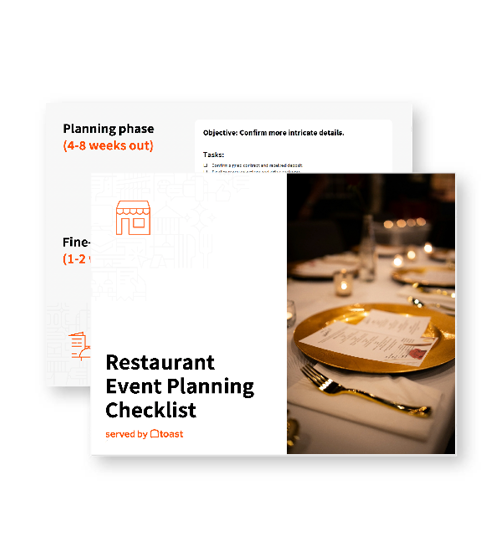
 Restaurant Event Planning Checklist
Download our easy-to-use checklist to help you stay organized, on-track, and calm through every step of the restaurant event planning process. From early prep weeks out to the day-of, this checklist is built to make your events shine.
Get Free Download | Built for Restaurants
In today's competitive hospitality landscape, simply serving great drinks isn't enough to guarantee a thriving bar business. With rising costs, changing consumer habits, and increased competition from everything from craft breweries to home entertainment options, bar operators need to think strategically about creating experiences that draw customers through their doors consistently. The solution lies in thoughtful event programming that transforms your establishment from just another watering hole into a destination venue that customers actively seek out.
In this article, you’ll find what bar events work best, why they drive loyalty and revenue, and how to plan and promote them for lasting success.
Key takeaways
Bar events turn your venue into a destination, attracting new guests and building loyalty beyond just drinks.
Consistent scheduling, smart promotion, and staff training are key to sustaining successful event programs.
Measuring ROI through attendance, sales, and feedback ensures you refine your calendar and focus on the most profitable events.
Bar Equipment Checklist
Opening or upgrading a bar? Don't miss any essential equipment! Download our free, comprehensive Bar Equipment Checklist.

The psychology behind successful bar events
Before exploring specific event ideas, it's important to understand why events work so effectively for bars. At their core, successful bar events tap into fundamental human needs: social connection, entertainment, learning, and the desire for unique experiences. Simon Gallagher, operations director, Giggling Squid, helped to enhance their cocktail offering, which he says is “appealing to our younger demographic who come to us for more occasion-based visits.”
Occasion-based visits are key to increasing your customer base (and, in turn, your revenue). These visits are times when customers specifically choose your venue because of what's happening there, rather than simply because it's convenient or familiar. “Events bring folks into a brewery that haven’t felt comfortable there before or have not thought the craft beer scene was for them,” explains Katie Rado, General Manager at Trace Brewing in Pittsburgh.
Events also generate anticipation and word-of-mouth marketing that traditional advertising can't match. When customers know they can count on your bar for consistently entertaining Tuesday trivia or terrific Thursday jazz nights, they begin planning their social calendars around your programming. This predictability builds loyalty while the variety keeps things fresh and exciting.
Weekly recurring bar events
Trivia nights remain one of the most reliable traffic drivers for bars, but success lies in execution and differentiation. You can easily develop themes for trivia nights that rotate monthly: 90s music one week, local history the next, followed by pop culture or sports trivia. Partner with local organizations to sponsor prizes, which not only reduces costs but also creates community connections. You’ll find the key to success is a recipe as balanced as your famous Tom Collins: plan programs with consistency in timing and quality while varying the content enough to keep regulars engaged and attract different demographic groups.
Live music programming can range from acoustic singer-songwriter nights to full band performances depending on your space and budget. Open mic nights are particularly effective because they create a built-in audience of performers who bring friends and family. Feature genre-specific nights like Tuesday Blues Days or Indie Wednesdays to cultivate dedicated followings. Local musicians often promote shows heavily on social media, providing free marketing for your venue.
Game nights have evolved far beyond pool and darts. Board game nights, especially featuring popular modern games like Settlers of Catan or Ticket to Ride, attract younger demographics and groups of friends looking for interactive entertainment. Poker tournaments, cornhole leagues, and even video game tournaments can draw competitive crowds who return weekly to defend their standings.
Seasonal and holiday bar events
Holiday celebrations offer natural opportunities to create special experiences. Beyond obvious holidays like New Year's Eve, St. Patrick’s Day, or Halloween, take advantage of lesser-known celebrations like National Margarita Day, Oktoberfest, National IPA day, or local festival tie-ins. These events allow for seasonal decorations, specialty cocktails, and targeted marketing that feels timely and relevant.
Seasonal programming keeps your calendar fresh throughout the year. Summer might feature outdoor movie nights or barbecue competitions, while winter could bring wine tastings or whiskey education seminars. Spring cleaning cocktail menu launches and fall harvest celebrations create natural marketing hooks that feel authentic rather than forced.
Educational and interactive experiences
Cocktail classes and tastings position your bar as an educational destination while showcasing your bartenders' expertise. These events typically command premium pricing while building customer knowledge and appreciation for craft cocktails. Plan progressive tastings that build from basic spirits to complex cocktails, or focus on specific categories like whiskey, gin, or rum.
Meet the maker events featuring distillers, brewers, or winemakers create exclusive experiences that justify higher prices while providing customers with unique stories to share. These partnerships often come with promotional support from the featured brands, including branded glassware, signed bottles, promotional materials, and sometimes even reduced product costs.
Cooking demonstrations paired with complementary cocktails can attract food enthusiasts and create cross-promotional opportunities with local restaurants or catering companies. These events work particularly well for bars with kitchen facilities but can be adapted for venues with limited food service.
Community-focused programming
Charity fundraisers serve dual purposes of community service and marketing. Partner with local nonprofits for percentage nights, silent auctions, or special events. These partnerships often bring new customers who might not otherwise visit your establishment while demonstrating your commitment to the local community.
Business networking events target working professionals looking for after-work venues. Consider hosting happy hours for specific industries, professional association meetings, or general networking mixers. These events often lead to corporate happy hour bookings and regular customer acquisition.
Art shows and cultural events featuring local artists can transform your walls into rotating galleries while attracting culture enthusiasts. Opening night receptions for new exhibitions create special event opportunities, while the ongoing displays provide conversation starters and visual interest for regular service.
Sports and competition events
Watch parties for major sporting events create community viewing experiences that drive significant traffic during games. Consider the investment in multiple screens and quality audio systems as essential infrastructure for these events. Developing food and drink specials tied to teams or sports can increase per-customer spending.
Tournament programming ranging from pool and darts to more unique competitions like paper airplane contests or trivia tournaments creates ongoing engagement. Regular customers become invested in tournament standings and return consistently to maintain their competitive positions.
Technology-enhanced events
Social media contests and hashtag campaigns can extend your event marketing far beyond your physical location. Photo contests, check-in rewards, and user-generated content campaigns create digital buzz while encouraging sharing among social networks.
Interactive technology like karaoke systems, photo booths, or even simple playlist control apps can enhance customer engagement during events. The key is choosing technology that enhances rather than dominates the social experience.
Offbeat or niche bar events
Movie-inspired events draw fans from near and far to your bar--and that’s exactly what you want. Take Shrek Raves, for example. These nights can feature anything from Shrek-themed cocktails and movies from the franchise to onion-eating contests and dance-offs. These parties are to Shrek fans (or anyone who grew up watching the movie) what Rocky Horror is to that film’s following.
Themed nights catering to your local area or a timely event can give you a big bang for your buck. “A successful theme night can have a long-reaching impact with repeat customers during quieter times and really puts you on the map of places to go,” says Chris Brown, proprietor of The Plough Grimsargh. Ideas run the gamut from Throwback To the 70s, Caribbean escape nights, Battle of The Boy Bands--basically anything you can dream of is game. The goal is to create a fun, memorable atmosphere that encourages customers to stay longer, spend more, and come back with friends.
Implementation strategies for success
Consistent scheduling builds customer expectations and habits. When customers know they can count on quiz night every Tuesday or live music every Friday, they're more likely to make your bar a regular part of their routine.
Quality promotion across multiple channels creates maximum awareness. Combine social media marketing, email newsletters, in-house signage, and local community board postings to reach different customer segments.
Staff training ensures your team can effectively support events while maintaining service quality. Bartenders and servers should understand event formats, be able to answer customer questions, and maintain energy and enthusiasm that matches the event atmosphere.
Budget management requires balancing event costs with expected returns. Track metrics like customer count, average spend per customer, and repeat visit rates to determine which events provide the best return on investment.
Measuring success and adapting
Successful event programming requires ongoing evaluation and adjustment. Track attendance numbers, revenue during events versus regular service, customer feedback, and social media engagement to identify your most successful formats. Don't be afraid to retire events that aren't performing, and feel free to experiment with new concepts as the replacements. The most successful bar events create experiences that customers can't easily replicate at home or find elsewhere. They build community, provide value beyond just drinks, and create reasons for customers to choose your establishment over competitors. By implementing a diverse calendar of well-executed events, bar operators can transform their venues into integral parts of their communities while building sustainable, profitable businesses that thrive regardless of economic conditions or industry challenges.
Remember that the best events align with your bar's personality, customer base, and operational capabilities. Start with one or two well-executed recurring events, build your reputation for quality programming, and gradually expand your calendar as you develop systems and expertise. The investment in event programming pays dividends not just in immediate traffic but in long-term customer loyalty and community presence that money can't buy.
Restaurant Event Agenda template
Download this template to stay organized during your restaurant's events.


Is this article helpful?
DISCLAIMER: This information is provided for general informational purposes only, and publication does not constitute an endorsement. Toast does not warrant the accuracy or completeness of any information, text, graphics, links, or other items contained within this content. Toast does not guarantee you will achieve any specific results if you follow any advice herein. It may be advisable for you to consult with a professional such as a lawyer, accountant, or business advisor for advice specific to your situation.
 Trending
Subscribe to On the line
Sign up to get industry intel, advice, tools, and honest takes from real people tackling their restaurants’ greatest challenges.
By submitting, you agree to receive marketing emails from Toast. We’ll handle your info according to our privacy statement. Additional information for California residents available here.