Fresh & Flavorful: Creative Vegan Menu Ideas for Every Occasion
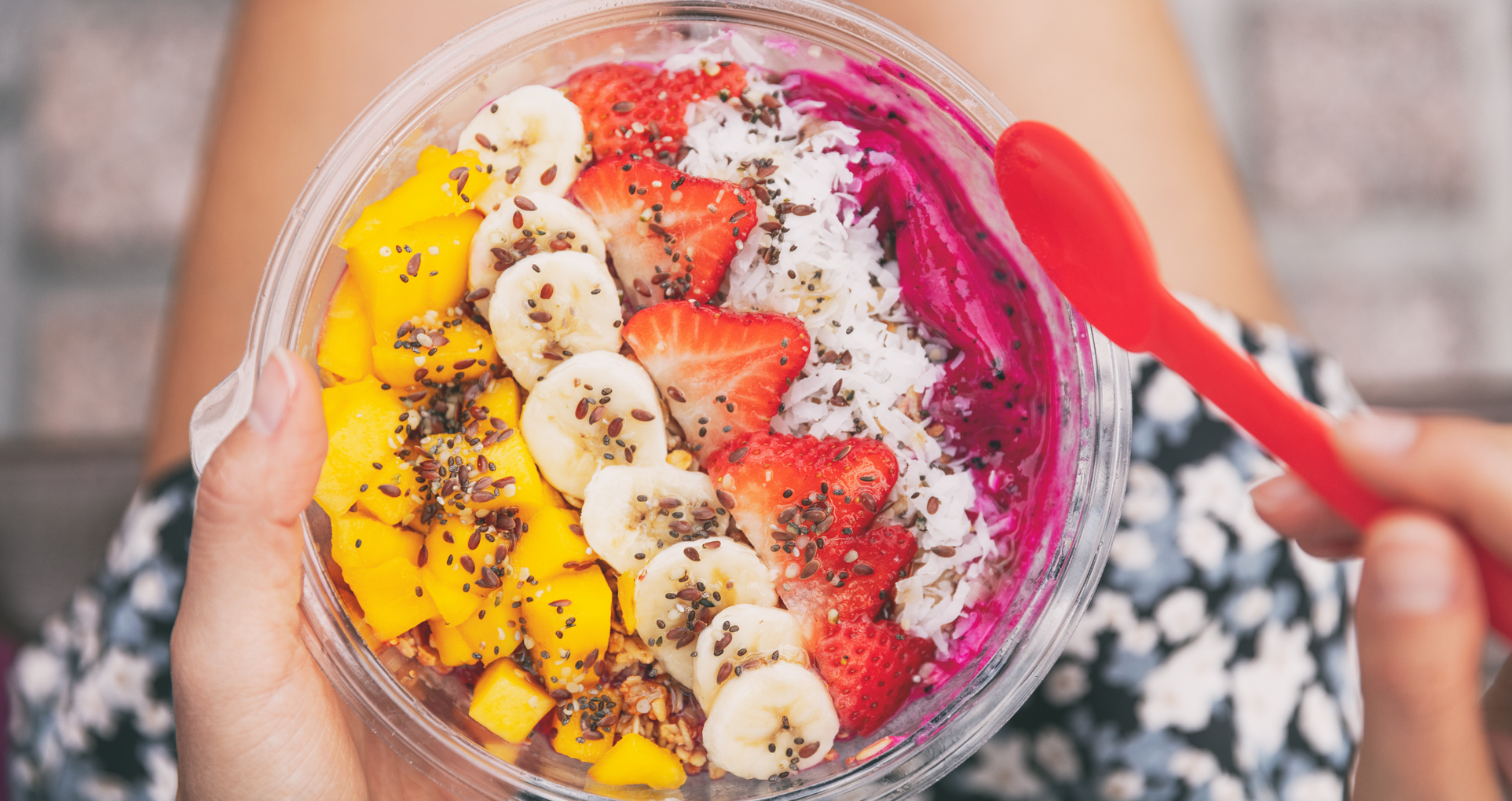
Discover creative vegan menu ideas that boost profits, satisfy guests, and make plant-based dining easy to implement.
Aiden ToborAuthor
 RESOURCE
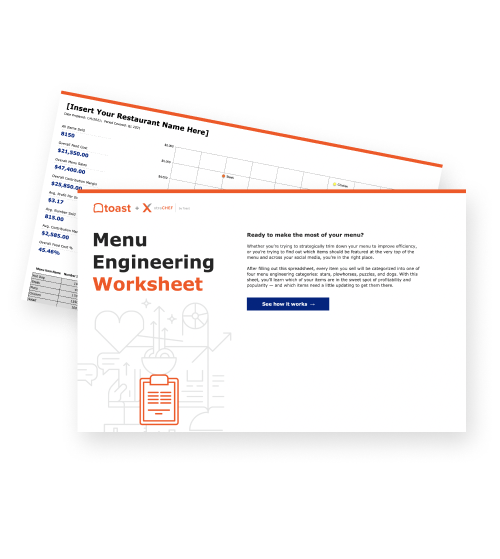
 Menu Engineering Worksheet
Use this menu engineering worksheet, complete with intricate menu engineering formulas, to determine areas of strength and weakness in your restaurant's menu.
Get Free Download | Built for Restaurants
Creating a successful vegan menu requires more than just swapping in tofu or removing cheese — it demands strategic planning that balances innovation, familiar flavors, and profitability. With plant-based foods now featured on 48.4% of U.S. restaurant menus — and 95% of operators offering them expecting steady or increased sales — vegan options are no longer niche. They’re essential. From comfort food classics to globally inspired entrées, this guide breaks down the most popular and profitable vegan menu ideas to help your restaurant stand out and satisfy a broader range of guests.
Appetizers and small plates
Vegan appetizers set the tone for exceptional plant-based dining experiences. Whether you're catering to fully plant-based diners or curious omnivores, standout starters showcase bold flavors, inventive textures, and recognizable formats that feel exciting — not restrictive.
Popular vegan appetizer ideas
These crowd-pleasing small plates balance creativity with comfort:
Hummus flights: Bold variations like roasted red pepper, za’atar, or smoky eggplant
Stuffed mushrooms: Filled with herbed cashew cream and topped with nutritional yeast
Crispy cauliflower wings: Tossed in buffalo or Asian-inspired sauces
Bruschetta: Topped with marinated tomatoes, fresh basil, and balsamic reduction
Avocado toast: Layered with seasonal toppings and microgreens
Pro tip: Add texture and height to plates with seeds, pickled elements, or edible flowers for a refined finish.
A perfect example of this approach is Crossroads Kitchen, known for redefining upscale vegan dining with artfully plated small plates like stuffed mushrooms and seasonal bruschetta that appeal to both vegans and omnivores.
The rise of fermented flavors
Fermented ingredients are trending in plant-based cuisine thanks to their probiotic benefits and rich umami depth. They elevate appetizers by adding complexity, tang, and nutritional value.
Incorporate options like:
Kimchi: Used in spring rolls, bowls, or layered on avocado toast
Fermented cashew cheese: Served as a tangy spread or dip
Pickled vegetables: To cut through creamy, rich, or fried bites
Trending stat: Kimchi sales, for example, nearly doubled in 2020 alone — experiencing a 90% growth increase. This surge highlights strong consumer demand for gut-friendly, fermented ingredients that boost both flavor and health appeal on modern menus.
A standout example is Baroo in Los Angeles, a modern Korean restaurant that brings fermentation front and center in its plant-based tasting menus. Their colorful bansang — an array of pickled and fermented vegetables — showcases the deep flavor and probiotic richness rooted in traditional Korean Buddhist temple cuisine.
Menu Engineering Worksheet
Use this menu engineering worksheet, complete with intricate menu engineering formulas, to determine areas of strength and weakness in your restaurant's menu.

Main course innovations
Vegan entrées demand thoughtful attention to protein, texture, and bold flavor. Today’s chefs are going far beyond salads and veggie plates — crafting diverse, satisfying dishes that highlight the full potential of plant-based ingredients.
Ray Delucci, host of the “Line Cook Thoughts Podcast”, explained to The Restaurant HQ that great vegan food isn’t about imitation — it’s about maximizing the flavor of what’s already there. “Vegan cooking, in my opinion, shouldn’t look to close any gaps of flavor. When we cook vegan food, we should aim to make the food we are cooking as delicious as possible using the ingredients and skillset we have. I often find that cooks will seek to replicate the flavor of a burger or other meat-based product, and in chasing this, tend to lose sight of what makes the vegan meal and its ingredients so great in the first place.”
From elevated comfort food to globally inspired plates, vegan mains can appeal to both dedicated vegans and flexitarian diners when executed with creativity and care.
Protein-forward entrée ideas
These dishes center on rich, satisfying textures and well-balanced flavor profiles:
Plant-based burgers: Beyond Meat or Impossible patties with creative toppings and house-made vegan sauces
Mushroom mains: Lion’s mane “pulled pork” sandwiches or portobello steaks with chimichurri
Legume-based dishes: Chickpeas, lentils, and beans in curry bowls, stews, or Mediterranean-style plates
Jackfruit entrees: Pulled “pork” or “carnitas” tacos with slaw and citrus-marinated toppings
Seitan-based proteins: Grilled skewers, stir-fries, or seared “steaks” offering hearty chew
One standout example of protein-forward innovation is PLNT Burger, which serves crave‑worthy offerings featuring Beyond Meat-style patties — like the Mushroom BBQ Bacon and Crispy Chick’n Sandwich — highlighting how creative toppings and house‑made sauces can elevate a plant-based classic.
Local and seasonal sourcing
More restaurants are prioritizing locally sourced, seasonal ingredients — enhancing freshness, supporting farmers, and reducing food costs. These elements also appeal to eco-conscious consumers looking for sustainable dining choices.
Tip: Seasonal produce makes it easy to rotate menu offerings throughout the year while keeping costs down and flavors fresh.
Global cuisine adaptations
International cuisines offer natural blueprints for vegan menu innovation. Many global dishes are already rooted in plant-based traditions, making them ideal for adaptation without sacrificing flavor or cultural authenticity.
Middle Eastern and Asian dishes like falafel, Thai green curry, and Japanese ramen with tofu are already fan favorites. With thoughtful execution, these dishes resonate with both plant-based eaters and adventurous omnivores.
Successful global vegan dishes
These flavor-forward options bring international flair to your menu:
Mexican-inspired plates: Tacos, burritos, and enchiladas filled with beans, roasted vegetables, and vegan cheese
Italian pasta dishes: Creamy cashew-based alfredo sauces or herb-packed pesto on fresh pasta
Indian curries: Rich blends of lentils, chickpeas, coconut milk, and aromatic spices
A strong example of this Mediterranean-inspired approach is Shouk in Washington, D.C., which specializes in modern Israeli street food made entirely from plant-based ingredients. Their signature bowls are packed with roasted cauliflower, tahini, pickled cabbage, and warm hummus — bringing bold flavors and nutrient-dense ingredients together in a vibrant, approachable format.
Technology meets tradition
Thanks to advances in food tech — like precision fermentation, texturizing techniques, and extrusion — chefs can now develop plant-based dishes using recognizable, whole-food ingredients. These innovations preserve culinary authenticity while boosting nutrition, clean-label credibility, and flavor complexity.
One standout example is Simulate (formerly NUGGS), a New York–based food-tech company that uses software-driven processes and plant-based formulations to recreate chicken-like texture with clean, minimalist ingredients. Their products, such as the viral “NUGGS,” demonstrate how modern technology can elevate whole-food alternatives to deliver both familiarity and nutritional quality.
Fun fact: Gen Z diners show a strong appetite for global flavors — 87% say they want more international tastes on menus. Combined with their growing demand for plant-based options, this makes global-inspired vegan dishes a powerful menu strategy.
Comfort food reimagined
Familiar favorites are powerful tools in easing customers into plant-based dining. By offering vegan versions of classic comfort foods, restaurants can appeal to a broader audience — especially flexitarians and omnivores looking for indulgence without animal products.
Vegan comfort food favorites
These nostalgic, crave-worthy dishes are perfect for menus looking to bridge the gap:
Mac ‘n’ cheese: Made with creamy cashew or almond-based sauces and nutritional yeast
Loaded fries: Topped with vegan cheese, jalapeños, scallions, and plant-based bacon
Fish and chips: Featuring crispy battered tofu or banana blossom “fish” with fries
Sunday roast: Nut loaves, mushroom wellingtons, or herb-stuffed squashes with vegan gravy
Shepherd’s pie: Lentils, root vegetables, and a creamy mashed potato topping
These hearty formats build trust with diners who may be new to plant-based cuisine — while giving chefs a canvas for creativity.
Menu tip: Comfort foods often become signature items — create standout versions that reflect your brand’s personality.
Desserts and sweet options
Gone are the days of dry, bland vegan desserts. Today’s plant-based sweets rival traditional offerings in both flavor and presentation — thanks to creamy coconut bases, inventive egg alternatives, and nutrient-rich whole foods.
With thoughtful ingredients and beautiful plating, vegan desserts can elevate your menu while appealing to health-conscious and indulgent diners alike.
Popular vegan dessert concepts
These crowd-pleasing options blend creativity, indulgence, and clean ingredients:
Vegan cheesecakes and brownies: Made with coconut cream, almond flour, and natural sweeteners
Chocolate creations: Featuring high-quality cocoa, plant-based milks, and ganache-style finishes
Fruit-forward dishes: Highlighting seasonal produce with minimal processing and bold, natural flavor
Ice cream alternatives: Churned from coconut, cashew, or oat bases for creamy texture without dairy
Baked goods: Using alternative flours like spelt or oat, plus maple syrup or dates in place of refined sugar
One bakery embracing this approach is Evolve Bakery, known for rich, gluten-free coconut cheesecake brownies that blend coconut cream and almond flour into a dense, indulgent treat — without sacrificing nutrition.
The clean label movement
Consumers increasingly seek clean label desserts — made from recognizable, whole-food ingredients instead of overly processed substitutes. Highlight these elements on your menu to build trust and transparency.
Sweet insight: The global vegan dessert market reached $3.7 million in 2025, growing at about 8.5% year-over-year and projected to more than double by 2035 — highlighting surging demand, especially among health- and eco-conscious millennial and Gen Z diners.
Beverage pairings and selections
A truly comprehensive vegan menu goes beyond the plate. Thoughtfully curated beverage programs round out the experience — offering everything from dairy-free coffee options to wellness-forward drinks that align with plant-based values.
Whether for brunch, dinner, or dessert, today’s beverage menus should anticipate the needs of vegan and flexitarian guests alike.
Essential beverage considerations
These beverage offerings complement plant-based cuisine while keeping your program inclusive and on-trend:
Dairy-free coffee options: Country Crock’s Plant Cream, Silk’s Cold Foam, and oat or almond milk for lattes and cappuccinos
Natural wines: Produced without animal-derived fining agents (such as isinglass or egg whites)
Creative cocktails: Featuring fresh juices, herb infusions, shrubs, or plant-based cream liqueurs
Kombucha and fermented drinks: Offering probiotic benefits and aligning with health-conscious dining
Specialty teas and botanical beverages: Supporting wellness positioning and non-alcoholic pairings
Meeting evolving expectations
As more guests move away from dairy and seek clean-label drinks, demand for vegan-friendly beverages is growing. Offering satisfying, inclusive options across your drink menu helps boost both check size and customer satisfaction.
Menu Note: Clearly labeling plant-based beverage options on the menu can increase sales and enhance the overall guest experience.
Menu development strategies
Building a successful vegan menu requires more than just swapping out animal products. It involves thoughtful strategy — from sourcing and staff training to presentation and promotion. The most successful plant-based programs are those that feel intentional, not incidental.
High-end restaurants are setting the standard by using artful plating, seasonal ingredients, and innovative techniques to elevate vegan offerings to gourmet status.
Key development considerations
To create a compelling and profitable vegan menu, keep the following strategies in mind:
Sourcing high-quality ingredients: Partner with trusted vendors like Beyond Meat or local farms offering seasonal produce
Staff education: Train team members on ingredients, cooking methods, and nutritional benefits to improve service and upselling
Menu engineering: Focus on dishes that are both popular and profitable, using data to guide placement and pricing
Clear labeling: Include information on allergens, gluten-free options, and other dietary concerns to build customer trust
Seasonal menu rotations: Highlight fresh, local ingredients and keep offerings feeling new and relevant
Educate to elevate
Customer education plays a vital role in the success of vegan offerings. Sharing the health, environmental, or ethical benefits of plant-based eating can inspire loyalty and boost repeat visits.
Tip: Use menu blurbs, signage, or QR codes linking to sourcing stories or ingredient spotlights to create a deeper guest connection.
Pricing and profitability
Vegan menu items aren’t just good for the planet — they’re good for your bottom line. When crafted with intention, plant-based dishes can offer strong margins thanks to lower ingredient costs and premium price points driven by health-conscious demand.
Plant-based proteins like legumes, mushrooms, and jackfruit often cost significantly less than animal proteins, while still allowing for elevated presentation and pricing.
Profitability strategies
Here’s how to maximize both value and revenue with your vegan offerings:
Use cost-effective ingredients: Legumes, grains, and seasonal vegetables offer high nutrition at a low cost
Create signature dishes: Standout items with creative prep or presentation can command premium pricing
Offer customization: Add-ons, protein swaps, and side upgrades help drive higher check averages
Make house-made components: In-house sauces, dressings, and pickled elements reduce costs and boost perceived value
Position strategically: Frame vegan dishes as elevated, wellness-forward choices — not restrictive alternatives
Did you know? The presence of plant-based alternatives on menus has grown by 62% since 2012, underscoring long-term profit potential.
Final thoughts
Vegan menu development isn’t just a culinary trend — it’s a strategic business move. From appetizers to desserts, plant-based dishes offer an opportunity to expand your customer base, align with wellness and sustainability values, and drive profitability with lower-cost, high-margin ingredients.
Whether you're launching a few new items or reimagining your entire menu, the key is intentionality — with bold flavors, satisfying textures, thoughtful sourcing, and standout presentation driving success. When done right, vegan offerings don’t just meet demand — they inspire loyalty, word-of-mouth, and repeat business.
The future of dining is inclusive, flavorful, and plant-powered — and your menu can lead the way.
FAQ
What are the most popular vegan menu items for restaurants?
Plant-based burgers, pizza, and comfort foods like mac 'n' cheese are consistently popular. Legume-based dishes, mushroom preparations, and global cuisine adaptations also perform well across diverse customer bases.
How can restaurants ensure vegan menu items are profitable?
Focus on cost-effective plant proteins, seasonal ingredients, and house-made components. Restaurants can capitalize on the 48.4% presence of plant-based foods by positioning vegan options as premium healthy choices rather than dietary alternatives.
What ingredients should restaurants stock for vegan menu development?
Essential ingredients include Beyond Meat or similar plant-based proteins, cashews for cream bases, nutritional yeast for umami flavor, various legumes, seasonal vegetables, and high-quality plant-based milks.
How can restaurants appeal to both vegans and omnivores?
Create dishes that don't necessarily mimic meat but celebrate their plant-based origins. Focus on familiar comfort foods with plant-based twists and emphasize bold flavors and satisfying textures.
What vegan menu trends should restaurants watch in 2025?
Fermented foods, mushroom-based proteins, and whole food approaches are gaining popularity. Clean label ingredients and locally sourced seasonal produce also align with consumer preferences for transparency and sustainability.
Sustainable Restaurant Business Checklist
Use this free checklist to help your restaurant run efficiently while minimizing its environmental impact.
Is this article helpful?
DISCLAIMER: This information is provided for general informational purposes only, and publication does not constitute an endorsement. Toast does not warrant the accuracy or completeness of any information, text, graphics, links, or other items contained within this content. Toast does not guarantee you will achieve any specific results if you follow any advice herein. It may be advisable for you to consult with a professional such as a lawyer, accountant, or business advisor for advice specific to your situation.
 Trending

Subscribe to On the line
Sign up to get industry intel, advice, tools, and honest takes from real people tackling their restaurants’ greatest challenges.
By submitting, you agree to receive marketing emails from Toast. We’ll handle your info according to our privacy statement. Additional information for California residents available here.