How Restaurant Technology Can Increase Job Satisfaction and Decrease Quit Rates
Innovative and labor-saving technologies may help reduce high food service quit rates. Here's how.
The MarketMan TeamAuthor
 RESOURCE
 Employee Satisfaction Survey Template
Use this free template to understand how your staff feels about their work environment, management, and overall experience.
Get Free Download | Built for Restaurants
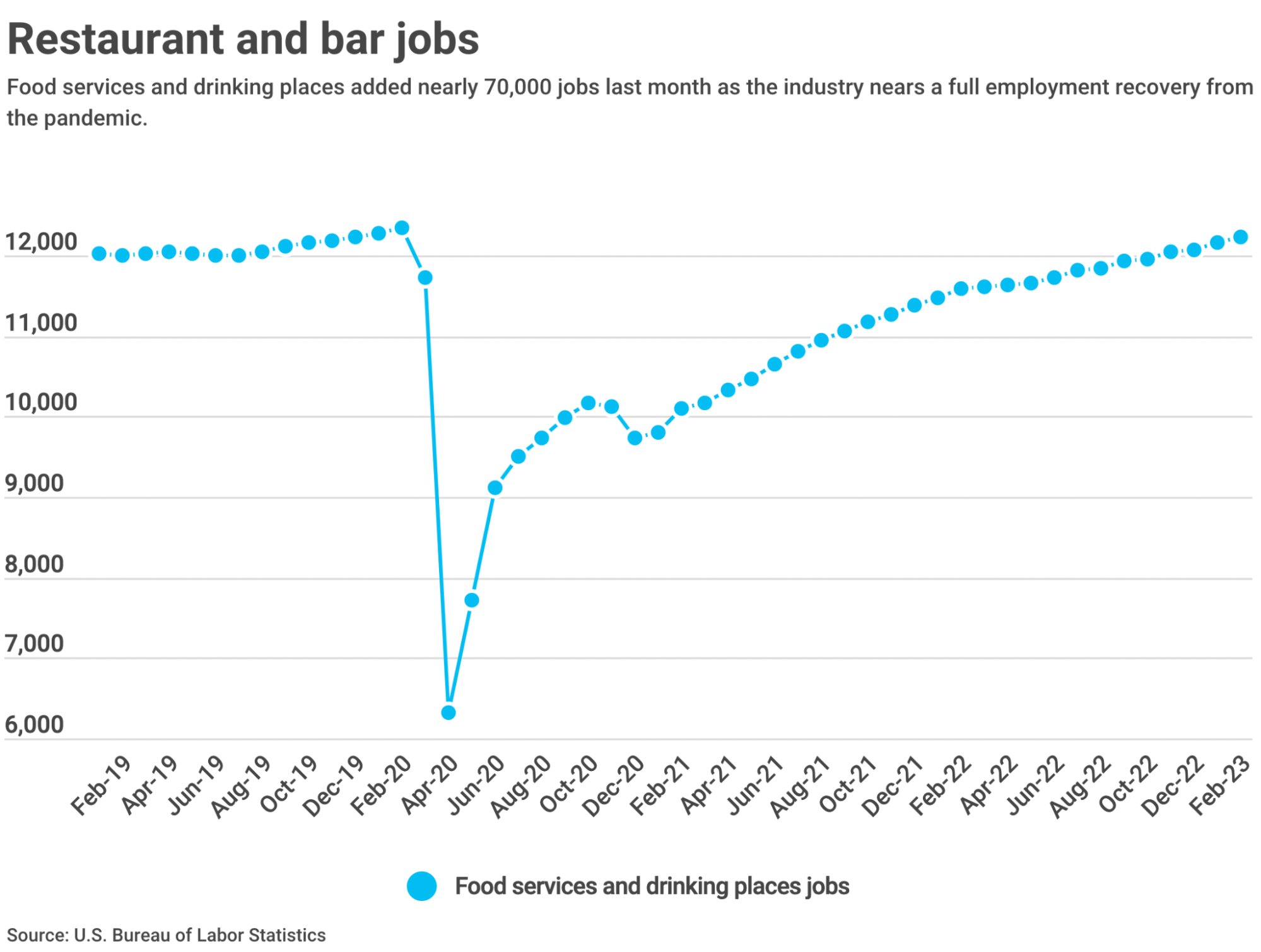
Finally some good news for restaurants: according to the U.S. Bureau of Labor Statistics (USBLS), restaurants and bars added nearly 70,000 jobs in February and are near full recovery from the pandemic – approaching employment levels not seen since before COVID-19.
The U.S. BLS report also notes:
The food service segment now employs over 12 million workers
The food service industry created almost 25% of the new jobs last month
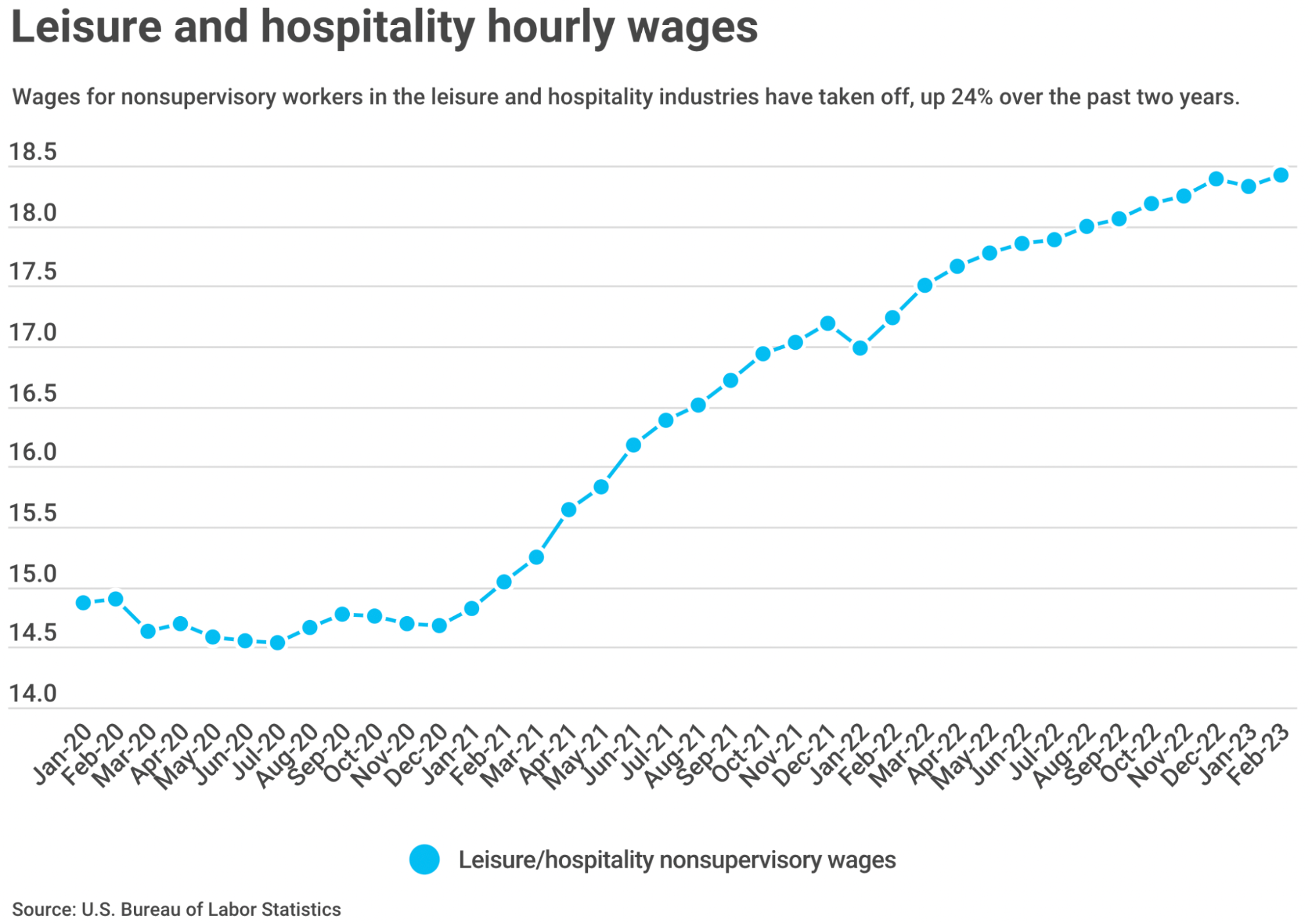
Wages have increased 8.4% in the last 12 months; 24% over the last 24 months, and
The average industry wage is now over $18 for non-managers
This means that the restaurant industry is nearly back! Now for the not-so-great news.
Why Restaurant Workers Just Won’t Stop Quitting
Employee Satisfaction Survey Template
Use this free template to understand how your staff feels about their work environment, management, and overall experience.

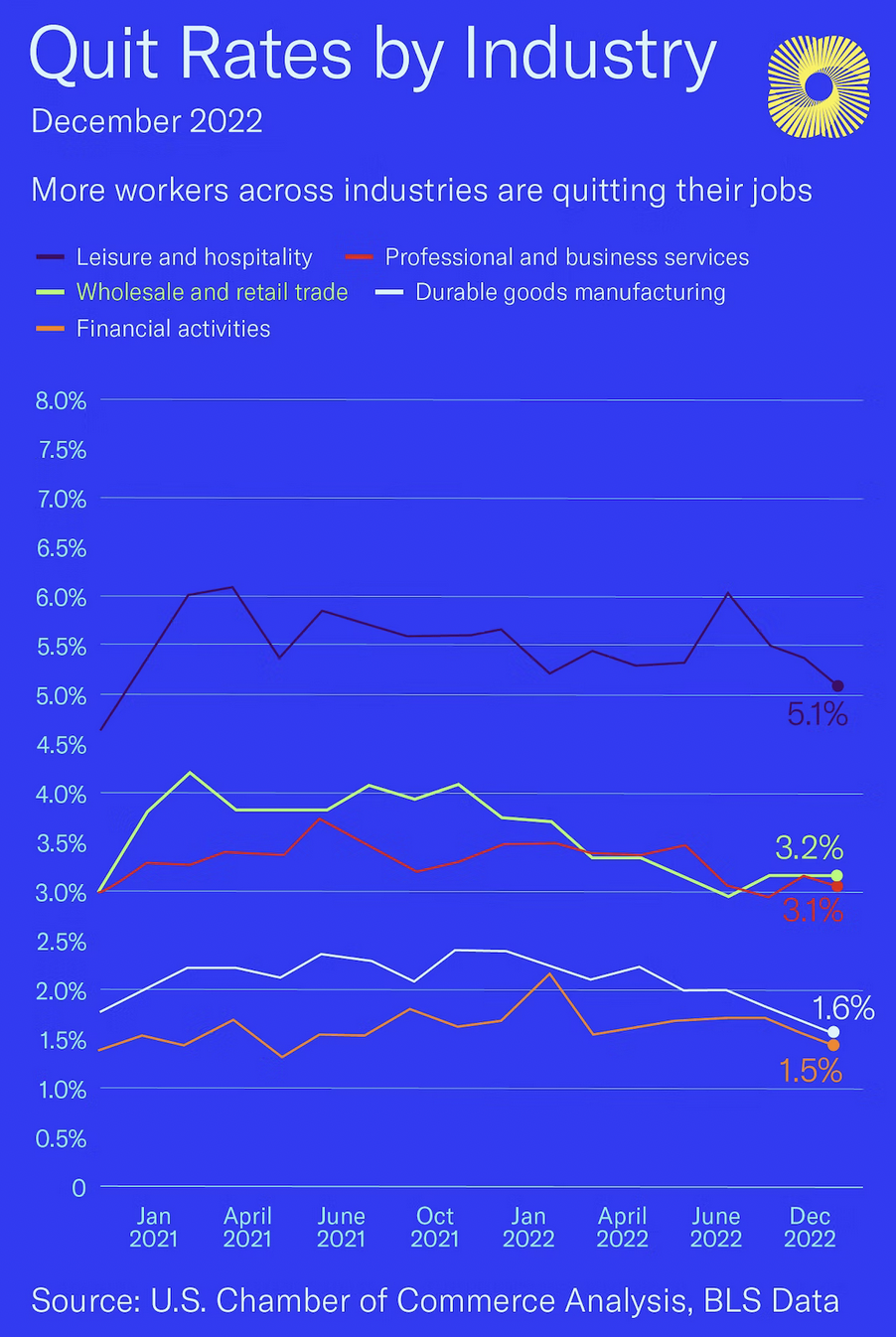
The U.S. Chamber of Commerce in their recent report notes that the quit rate is highest in the leisure and hospitality industry, averaging over 5.2% since July 2021.
According to the U.S. Bureau of Labor Statistics, the national quit rate average for all industries is 2.8%. The elevated quit rate in food service started even before COVID-19.
COVID-19 added some complexity to quit rate analysis – such as older workers susceptible to COVID-19, workers with young children dealing with remote schooling and child care expenses, and many “face-to-face industries” like food service facing “large gathering” prohibitions. But an increasingly steady quit rate preceded the historically high quit rates after 2021 – this indicates this is likely a long-term systemic issue in food service.
The Great Resignation, The Great Reshuffle, The Big Quit
The Great Resignation, the Great Reshuffle, or the Big Quit has presented unprecedented and ongoing challenges for the food service industry. A closer look highlights that the pandemic served as fuel to the fire. Essentially, it was an accelerant to this issue, not a foundational cause.
This long-term workforce culture evolution has been caused by many factors, including:
Increasing costs of living
High childcare expenses
Work-life balance challenges
Wage stagnation, especially for low-wage industries
An aging workforce
The massive retirement of older workers during COVID-19
The effects of long COVID on the working-age population
The emergence of the gig economy, and
Wholesale adoption of remote work
These developments are producing systemic changes in our work culture and experts predict this trend is not going away.
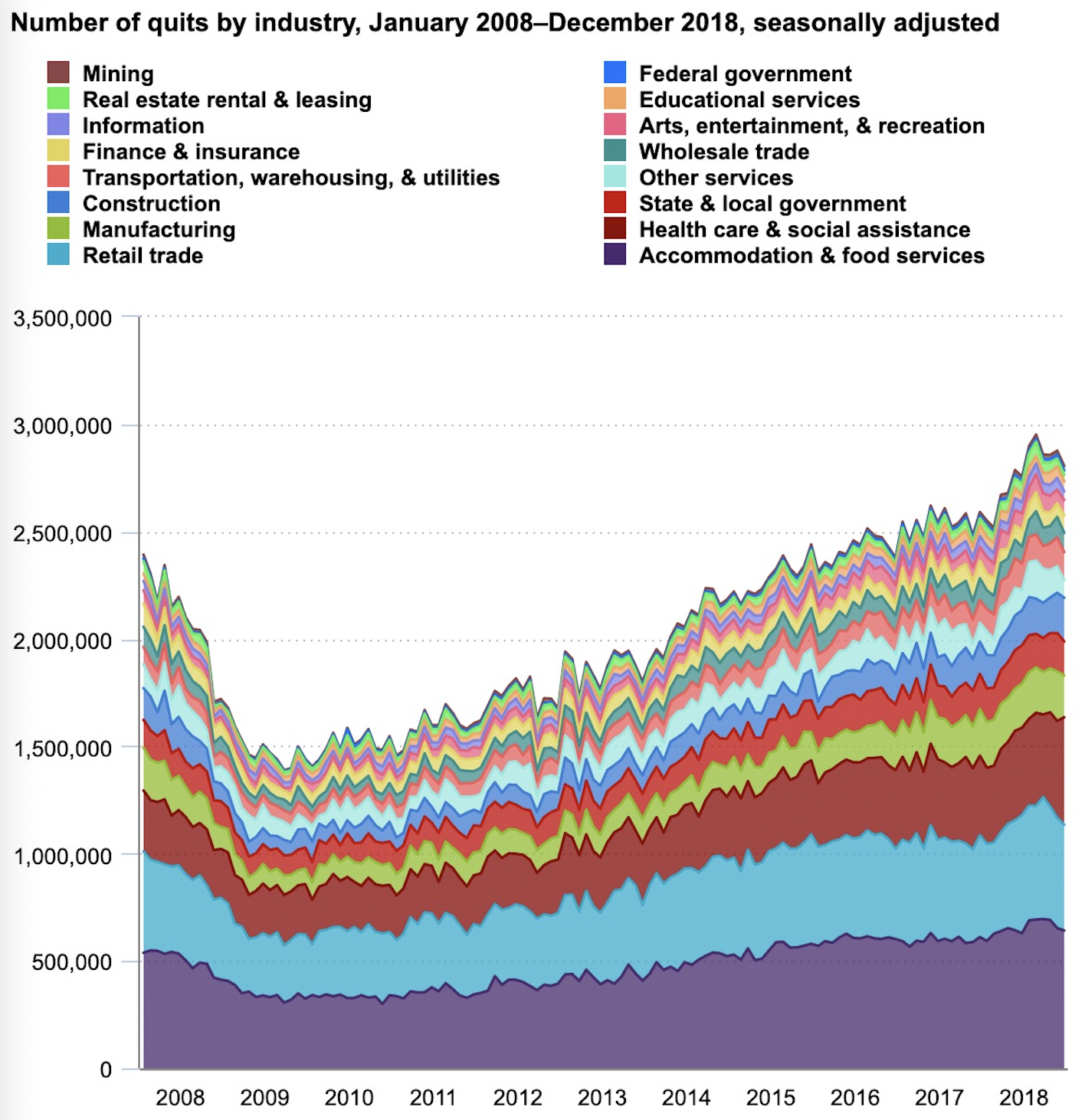
“Quit rates have been steadily increasing over the past 10 years,” says Kristie McAlpine, Professor of Management at Rutgers University School of Business. “That's not something that just started with the pandemic.”
Report: The Future of the Industry
Toast turned to forward-thinking tech leaders, restaurant owners, and operators to dish on the future of restaurants in this downloadable report.
The Well-Known Retention Challenges in Food Service
Industry veterans know the incredible ups and downs built into the food service industry – there are challenging and historical aspects of restaurant culture that negatively affect staff retention. Here are a few that pop up again and again.
Restaurant Work is Stressful
High stress and often unpredictable hours are common for most employees in the industry. Hours are typically long, the pace is often fast, and most roles in a modern restaurant are physically demanding.
Profit Margins for Many Restaurants Are Slim
Margins are low – between 3% to 5%, on average – for even the most successful restaurateurs. This often leads to lower wages, and limited benefits, like health insurance and paid time off. Experts on the Great Resignation of 2021 and 2022 point to employees seeking higher wages in other sectors causing an exodus from the industry. Employees are returning, but this pressure to increase wages, include benefits, and make food service a more palatable career path shows no signs of slowing down.
The Stress of Scheduling Staff
The lack of flexibility and predictability in staff availability (in every segment except fine dining) creates stressors for both employees and managers. Flexibility required for parents with childcare needs has also been a historical issue.
The Challenges of Onboarding, Training, and Fighting Turnover in a Restaurant
Most restaurants lack dedicated Human Resource staff to help management deal with employees and their professional and often personal needs. Employee training and onboarding new employees and managers is often more art (and luck) than science.
Commonly, ad hoc training often fails to prepare new staff for their responsibilities and tasks leading to decreased job satisfaction and increased turnover.
Obstacles to Communication in Restaurants
Effective communication is difficult in the fast pace of food service. Communication often breaks down the best plans of communication between even the most experienced staff and coordination between front-of-house with back-of-house – leading to mistakes, increased employee stress, and decreased profitability.
All these well-known factors – and many more – can contribute to high employee turnover in food service.
Employee Retention Strategies for Restaurant Owners
Recently, successful responses by owners and operators to the Great Resignation have been varied but fall into general categories that aim to change the traditional business model of many restaurants. These include increasing salary and benefits, putting more emphasis on employee satisfaction, and providing longer training and development periods for new employees.
And of course, charting realistic career paths and possibilities for advancement and improving quality of life elements – the kinder, gentler kitchen – by providing more predictable hours and more flexible schedules, improving the hiring processes to attract the “right” candidates to reduce turnover, and leveraging information technology to require fewer employees are all important.
Industry experts agree these changes are challenging to the historic business models of the food service industry but are necessary to respond to the newer demands of high-achieving employees.
Can Technology Help Retain Restaurant Employees?
One potential response to reducing turnover may be using labor-saving and stress-reducing technologies that automate the mundane, time-consuming, and physically demanding tasks in a restaurant. These technologies, when applied correctly, create more time for staff and management to focus on more valued core responsibilities tied to staff motivation and customer satisfaction.
Anissa Mandell Chance, Senior Vice President of Supply Chain for Focus Brands, explained in a recent Restaurant News Resource story, “The truth is food service has been behind most other industries as it relates to technology. I don't know why that is, but now we’re having to catch up in a big way.”
Food service may be a late adopter of new technology, but the sector as a whole has been adopting information technology solutions like any sector in business today. Building “restaurant savvy” technology stacks that create an overall calmer, more efficient, and more productive work environment has been the promise of many labor-saving technologies in food service.
Common technologies being adopted by restaurateurs include:
Point of Sale Platforms
Point of sale (POS) platforms, along with the mobile handheld POS, empower servers to quickly take orders and process payments from a handheld device, reducing “travel time” between tables and a POS terminal. This can help increase wait staff efficiency and reduce customer wait time.
Online Scheduling and Communication Applications
Online scheduling and communication applications enable restaurant workers to view their schedules and communicate with their managers online in real-time, making it easier to plan their time, coordinate with coworkers, and efficiently staff shifts.
Employee Training Software
Employee training software that enables restaurants consistent and effective training for their employees. This readies new staff for collaborating with an experienced staff and management team and can produce better job performance and higher job satisfaction.
Self-Ordering Kiosks
Self-ordering kiosks that can increase check size, order volume, and shorten customer wait times.
Kitchen Display Systems
Kitchen display technology (KDS) that can improve staff collaboration, order delivery times, and accuracy. Kitchen display systems receive POS orders in real-time, and can improve ordering speed, accuracy, and customer experience.
Technology for a Smarter Kitchen
Smart kitchen equipment like ovens and grills help staff save time and reduce the risk of injury. Smart equipment can be programmed to cook food to a precise temperature and automatically shut off when done.
Robotics and Automation Tools
Robots in restaurants! Fry bots are now making your fries reports the Washington Post. And servers at a Golden Corral in West Virginia have been very welcoming to their new robot overlords.
Inventory Management Software
Inventory management software helps restaurants quickly perform inventory, automate vendor ordering, reduce food waste and spoilage, and save time and money by making a manager’s weekly “inventory tour” automated, fast, and more accurate.
Lower the Restaurant Quit Rate with the Right Technologies
Innovative and labor-saving technologies like POS platforms, automation tools, and inventory management software may help reduce high food service quit rates.
By streamlining operations and automating tasks that were previously manual – such as taking orders, tracking inventory, and processing payments – staff workload and stress can be reduced.
The right technologies also can reduce errors that decrease customer satisfaction and impact financial metrics – efficient back-of-house restaurant technologies connected with front-of-house solutions can prevent overstocking or understocking, ensuring that the kitchen (and customer) has the right ingredients at the right time.
Increasingly, information technology can increase restaurant staff job satisfaction by making restaurant work less physical and stressful and making employees feel more empowered and engaged in their work.
Is this article helpful?
DISCLAIMER: This information is provided for general informational purposes only, and publication does not constitute an endorsement. Toast does not warrant the accuracy or completeness of any information, text, graphics, links, or other items contained within this content. Toast does not guarantee you will achieve any specific results if you follow any advice herein. It may be advisable for you to consult with a professional such as a lawyer, accountant, or business advisor for advice specific to your situation.
 Trending


Subscribe to On the line
Sign up to get industry intel, advice, tools, and honest takes from real people tackling their restaurants’ greatest challenges.
By submitting, you agree to receive marketing emails from Toast. We’ll handle your info according to our privacy statement. Additional information for California residents available here.