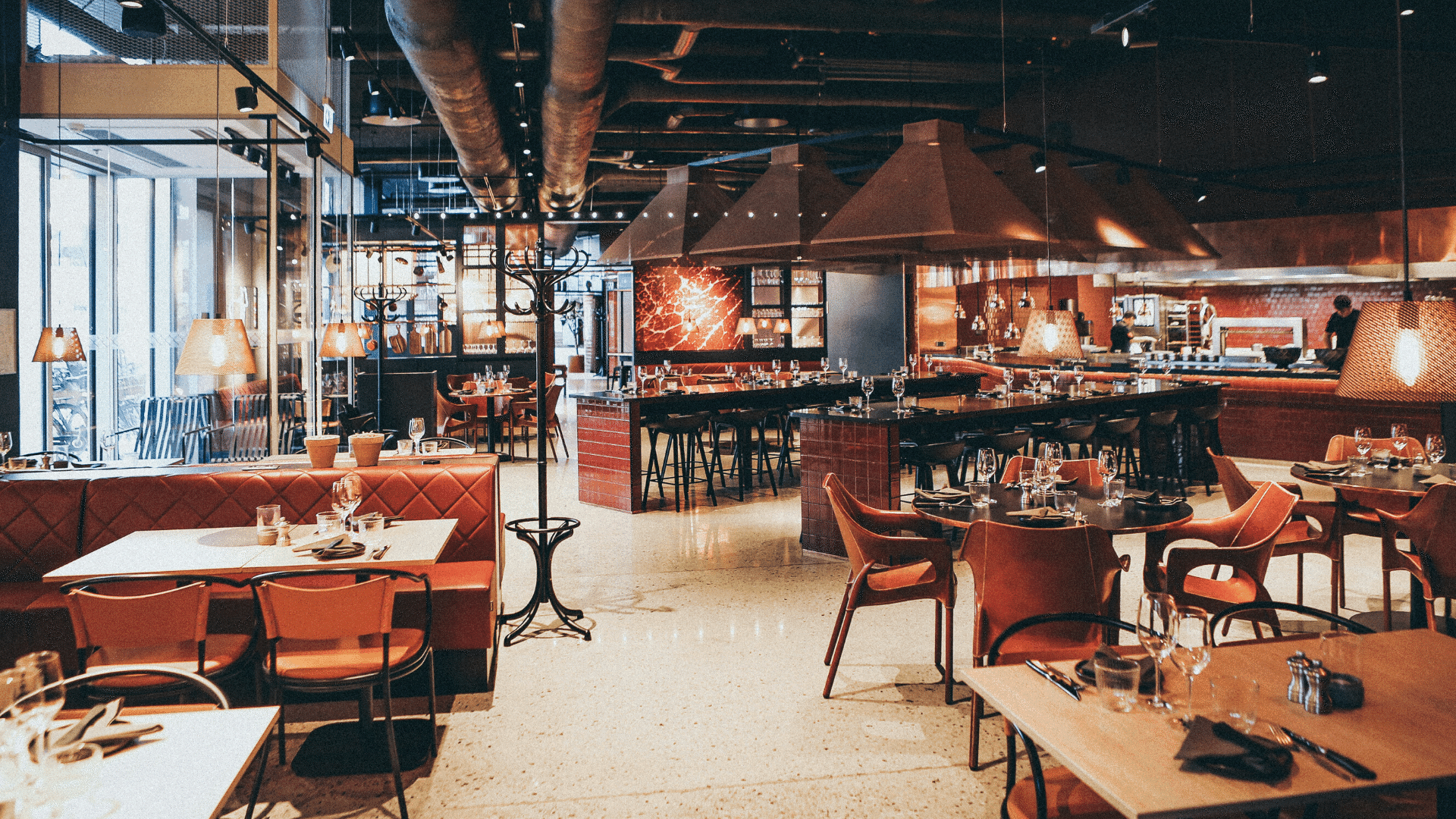
How to Choose the Best Restaurant Table Design for Your Floor Plan
The restaurant table design can define a diner's experience. Here’s some inspiration for your restaurant setup.

Cameret BannisterAuthor
Key takeaways
The Right Restaurant Tables: Enhance both aesthetics and functionality, contributing to a memorable dining experience.
Five Classic Table Types: Booths, banquet tables, high tops, coffee table-style seating, and bar seating—each catering to different customer preferences and restaurant atmospheres.
Booths for Comfort & Efficiency: Maximize seating space while providing a cozy, private dining experience.
Banquet Tables for Socializing: Ideal for communal dining, larger parties, and fostering a casual, social atmosphere.
High Tops for Flexibility: Great for casual, dynamic settings but may compromise diner comfort.
Coffee Table-Style Seating: Creates a relaxed, lounge-like vibe but is best suited for drinks and small plates rather than full meals.
Bar Seating for Interaction: Increasingly popular for its fast service, social experience, and seamless engagement with staff.
Balanced Seating Strategy: Combining multiple table styles optimizes space, improves customer satisfaction, and boosts profitability.
When it comes to the diner’s experience, every little thing has the power to make it one they’ll remember for good reasons, or bad. And nothing has that power quite like the tables you choose for your restaurant furniture. Of course, guests aren’t coming to your restaurant solely because they like the size, shape, and style of your dining room tables.
But if you don’t put as much thought into the dining tables you choose to support your customer’s dining experience, then you run the risk of that very experience not being a cohesive one. From the aesthetic restaurant design of how the tables fit into the overall atmosphere of your restaurant to the functional use of the table itself, whichever table you choose adds to the restaurant experience.
What kind of tables do restaurants use?
It sounds pretty straightforward, right? How hard could it be to pick out tables for your restaurant? This decision is just another one that is misleadingly simple. Of course, if you don’t care what your diners think of your establishment, you can feel free to toss any old tables you like in there. But if you are one of the many restaurant owners who does care about the diner experience, you will want to put a little more thought into your tables than others.
There are five classic types of restaurant tables to choose from, but when making a thoughtful decision about which tables to put in your dining room, keep your guests and their casual dining experience at top of mind. You may end up choosing more than one type of table design for more than one reason.
Best Practices for Choosing Tables for Your Restaurant Layout
The table design setup you use should integrate naturally into your restaurant floor plan.
Each distinct type of table communicates a different atmosphere, make sure you are choosing tables that match your intended dining room vibe.
Keep an eye on your restaurant’s seating capacity, filling your restaurant with only booths or only high tops will allow for different volumes of guests to be in your dining room at a time.
Consider mixing it up and integrating a variety of different tables in your restaurant to support different diner group sizes and experiences.
Top 5 Restaurant Table Designs
1. The Classic Booth
“Can we have a booth instead of a table?” If you have ever been a hostess, you are entirely familiar with this question from restaurant-goers upon entering your dining room. And when you think about it, it makes sense that they’re so popular. Booths make a comfy, cozy, and warm dining experience for guests of all ages. They offer a sense of privacy and seclusion, and they give guests the ability to have a little more room to spread out. They’re also a great pick for restaurants without a lot of aisle width, as they create less traffic because servers only approach them from one side.
While booths generally have fairly expensive upfront costs, they end up saving more money long term. Since a four person booth takes up approximately 21 square feet of floor space and a table for four with chairs and a table base takes up upwards of 34, choosing booths for your restaurant will also save enough space and allow for a higher restaurant capacity.
2. The Picnic-Style Banquet Table
One of the more casual options and a choice that has gained popularity in recent years, many bars and restaurants are employing the use of long picnic or banquet-like tables in their dining room. Oftentimes, when we picture these long banquet tables we think of them being used at large, casual establishments like breweries and beer halls.
Banquet and long picnic tables are particularly helpful for accommodating larger parties because people can choose how much personal space they really need. And when they aren’t being occupied by individual groups, their size and casual vibe work to encourage smaller groups of restaurant visitors to socialize and dine together.
Harpoon Brewery in Boston does an awesome job with picnic or family-style tables, pictured below. They are a great example of choosing table designs that support their brand. If they had chosen a different type of table, like booths or coffee tables, it would have completely changed the atmosphere of the place.
3. High top tables & stools
For optimum dining room flexibility, you may want to go with elevated tables and bar stools. If you have a table for six and a party of seven or eight walks in, the extras can easily stand at the table or grab another stool to join.
In addition to flexibility from a physical accommodation standpoint, high top tables also encourage socializing with larger groups of people. With table tops, you can easily add a few people to the table or move the tables closer together so people can easily join or leave the party.
The common use case for high tops and stools is the establishment that is a hotspot for “after-work-drinks” where colleagues can come and go as they please when they finish up working. As mentioned before, you want your commercial furniture to help create the ambiance of your restaurant. For more casual pop-in, pop-out joints, high tops with stools are a great way to communicate that relaxed tone. With this type of seating, groups can congregate around a few high tops while chatting, snacking, and enjoying a few beverages.
There have been complaints, however, about the comfort level of stools, especially in full service/fine dining restaurants where diners sit down to enjoy a meal.
It’s not entirely unnoticeable when chairs are small and uncomfortable, and it can often be perceived as a tactic to get diners to quicken up their pace. According to Eater,
Space constraints and turning tables are two reasons contemporary restaurateurs make their establishments intentionally uncomfortable.
Robert Sietsema
Senior Critic at Eater
If that is one of the goals of your restaurant, then by all means go ahead and deploy stools in this way. Otherwise, if you are concerned about uncomfortable table seating arrangements for your diners you’ll want to invest in more classically comfortable seating options.
4. Sofas & coffee table-styled seating
Outdoor couches are a great choice for bars and restaurants looking to outfit their patios with the coziest nooks and crannies, to provide an experience of ultimate comfort for their guests.
Couches and coffee tables aren’t just meant for outdoor seating, though. You can also find them in many fine dining experiences, next to lavish fireplaces, meant for romantic nights out on the town.
They tend to suit drinks and smaller apps, however, because low tables create difficult full meal experiences. Once again, it’s all about matching your tables with your intended dining experience. To make the best choice for your spot, put yourself in the seat of your guests.
Week 1 Checklist
Help new employees start off right with this customizable Word doc of tasks for their first week, including HR, certifications, training, and more.

5. Bar seating
Back in the day, the bar's main function was to provide a waiting area for guests to wait and enjoy a drink before their table opened up. That has since shifted.
With more and more customers looking for a relaxed, interactive dining experience, bar seating is a preferred way of dining for many. Research from Deloitte found that guests’ most important experiential elements while dining out include being engaged by staff, being empowered to make the right choice, having their needs met, being delighted, and having a personalized dining experience. All of these qualities can be delivered in a bar setting with the right training.
With shorter wait times, quicker service areas, and the same comfort level and dining options as being seated in the more formal dining area, it’s no surprise that more and more guests are jumping at the opportunity to eat at the bar.
Choosing a Restaurant Table Design Setup
When it comes to the restaurant dining experience, here at Toast we’ve seen it all. And we quickly realized there isn’t a “one-table-size-fits-all” solution to your restaurant seating layout . Instead, many restaurants use a combination of the above types to optimize the space and create a restaurant interior design suitable for different dining situations, and that is unique to their restaurant atmosphere.
Creating a comfortable dining atmosphere that’s conducive to a great customer experience is not just a great decision, it’s a great business decision. When diners have an emotional connection with a restaurant, their value increases by over 25%. That’s just good business.
So choose your restaurant table design and seating layout wisely! You may gain a lifetime customer when they cozy up in their favorite booth week after week.
Next step? Updating your entire restaurant floor plan. To get you started, here is How to Design a Restaurant Floor Plan.
Related Restaurant Design Resources
Restaurant Business Plan Template
No matter where you’re at in your restaurant ownership journey, a business plan will be your north star. Organize your vision and ensure that nothing is overlooked with this free template.
Is this article helpful?
DISCLAIMER: This information is provided for general informational purposes only, and publication does not constitute an endorsement. Toast does not warrant the accuracy or completeness of any information, text, graphics, links, or other items contained within this content. Toast does not guarantee you will achieve any specific results if you follow any advice herein. It may be advisable for you to consult with a professional such as a lawyer, accountant, or business advisor for advice specific to your situation.
 Trending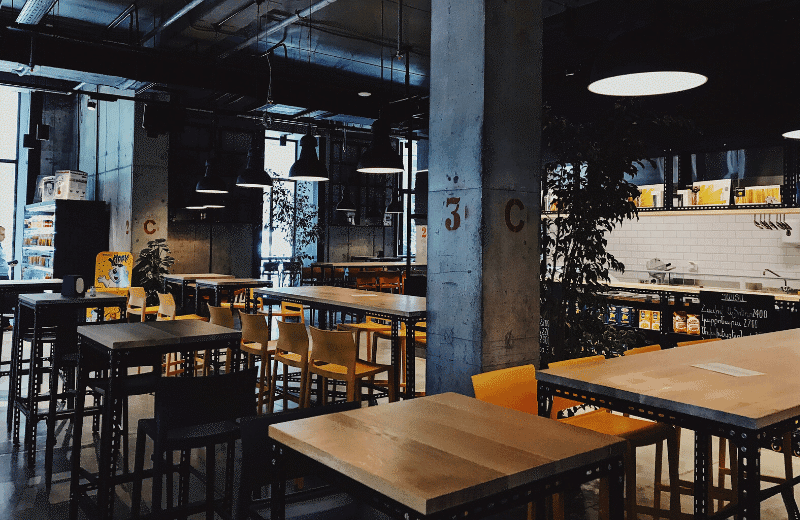

Subscribe to On the line
Sign up to get industry intel, advice, tools, and honest takes from real people tackling their restaurants’ greatest challenges.
By submitting, you agree to receive marketing emails from Toast. We’ll handle your info according to our privacy statement. Additional information for California residents available here.