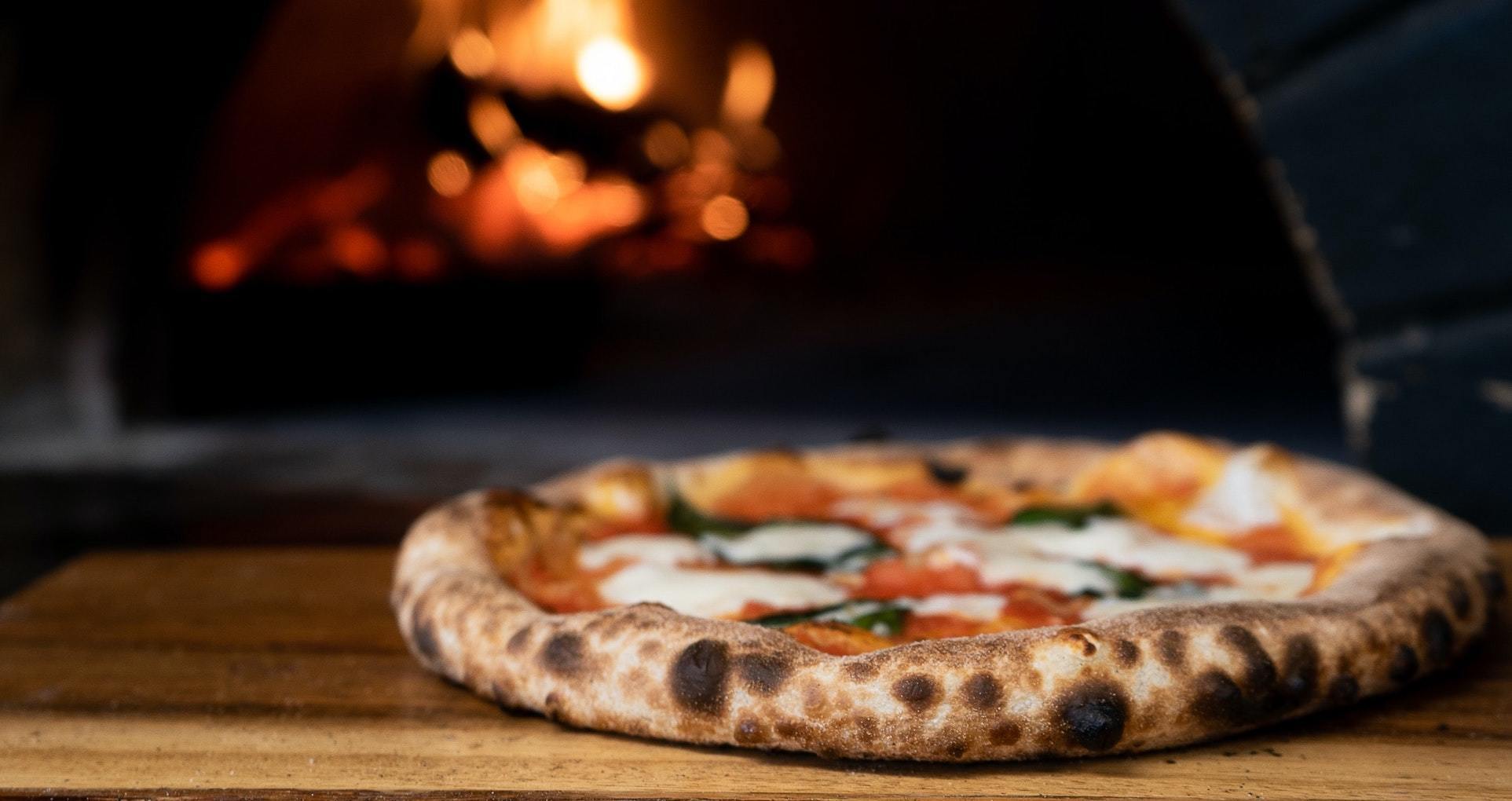
How Much Does a Pizza Cost? From Plain Pie to Gourmet Slice
Pizza prices vary, but there’s a perfect pie for every budget. Discover what shapes the cost, and which style of pizza is right for your wallet.
Aislinn CokerAuthor
 RESOURCE
 Restaurant Menu Costing 101 Infographic
From ingredients and labor to rent and insurance, help your guests see what really goes into every dish.
Get Free Download | Built for Restaurants
From dollar slices to $30 wood-fired masterpieces, pizza prices stretch as wide as the crust itself. But behind every pie—whether it’s topped with nothing but cheese or loaded with truffle oil and prosciutto—there’s a mix of ingredients, effort, and economics that shape what you pay.
So how much does a pizza really cost? In this guide, we’ll break down the average price of everything from a classic pepperoni to a gourmet Neapolitan, explore what drives those price differences, and take a quick look at how pizza prices shift across the country.
Key takeaways
Pizza prices cover a wide range — from budget-friendly frozen options to gourmet, chef-driven creations.
Ingredients and craftsmanship drive cost, with premium cheeses, sauces, and toppings pushing prices higher.
Location matters — urban markets tend to charge more due to higher rent, wages, and ingredient sourcing costs.
Restaurant style affects pricing, with fast-casual chains focused on volume and artisan spots on quality and presentation.
Every slice tells an economic story, balancing affordability for customers with profitability for pizzerias.
Pizza POS Comparison Tool
A free, customizable Pizza POS Comparison Tool to research and compare point of sale systems in one Excel spreadsheet or editable PDF.

Average pizza prices by type
Pizza prices can vary widely depending on the restaurant style, location, and ingredient quality. Here’s a quick look at what customers can expect to pay for different kinds of pies.
Cheese and pepperoni pizza ($8–$15)
Cheese and pepperoni pizzas set the standard for pricing across nearly every pizzeria. They’re simple, familiar, and universally loved—making them the foundation of most menus. The base ingredients—dough, sauce, and cheese—keep costs manageable, while pepperoni adds a small premium for its cured meat and extra prep.
At the value end, popular pizza chains like Little Caesars and Domino’s frequently run combo deals offering two large plain or pepperoni pizzas for as little as $5–$7 each, keeping their core menu accessible and high-volume.
Meanwhile, Papa Johns prices a large pepperoni pizza around $14.99, landing squarely in the midrange for most dine-in or delivery markets.
Specialty pizzas ($15–$25)
Specialty pizzas build on the classics with creative toppings and signature flavor combinations that go beyond the basics. These pies often feature ingredients like grilled chicken, ricotta, roasted veggies, or tangy barbecue sauce—giving restaurants a chance to show off their culinary identity.
At California Pizza Kitchen, the iconic Original BBQ Chicken Pizza perfectly defines this category. Priced around $20–$23 depending on location, it combines smoked gouda, red onions, fresh cilantro, and tangy barbecue sauce on a thin, hand-tossed crust.
Gourmet or artisan pizzas ($20–$40)
Gourmet and artisan pizzas take the craft to another level, emphasizing high-quality ingredients, regional cheeses, and chef-driven combinations. These pizzas are often baked in wood-fired ovens, using long-fermented dough and carefully sourced toppings that elevate them from casual fare to fine dining.
At Pizzeria Mozza in Los Angeles, signature pies like the Bianca — made with fontina, mozzarella, sottocenere, and sage — are priced around $25, while the heartier Meat Lover’s pizza, topped with bacon, pepperoni, guanciale, and fennel sausage, runs about $29.
Frozen or take-and-bake pizzas ($5–$12)
Found in grocery store freezer aisles and big-box retailers, these pizzas typically cost a fraction of restaurant prices while providing a quick meal solution.
Brands like DiGiorno dominate this category, while Papa Murphy’s specializes in made-to-order take-and-bake pizzas that customers cook fresh at home.
Factors that influence pizza cost
No two pizzas are priced exactly the same. A variety of ingredients, operational decisions, and external factors all shape the final price tag.
Ingredients: The biggest variable in pizza pricing. High-quality mozzarella, imported tomatoes, or specialty flours can raise food costs quickly—while bulk cheese and standard sauce blends keep prices lower.
Size: Bigger pizzas require more dough, sauce, and toppings, but they’re also more efficient to make. That’s why the price per square inch usually drops as size increases.
Location: Rent and wages differ dramatically by region.
Restaurant type: Fast-casual spots tend to price for speed and volume, while full-service or artisanal pizzerias factor in table service, ambiance, and premium ingredients.
Overhead costs: Rent, labor, utilities, and equipment all contribute to what you pay at the counter.
Delivery and convenience fees: Third-party apps often charge restaurants commissions and customers service fees.
How pizza prices differ by region
Pizza may be universal—but what you pay for it depends heavily on where you are.
New York slice ($1–$5): The classic grab-and-go slice. Prices stay relatively low thanks to high demand and streamlined operations. Even as costs rise, many NYC shops hold the line to stay competitive in a crowded market.
Chicago deep dish ($20–$30): Known for its buttery crust and layers of cheese and sauce, deep dish takes longer to bake and uses more ingredients—so the price naturally climbs.
California artisanal pizzas ($25+): Often made with organic produce, local cheeses, and house-fermented doughs, these pizzas reflect the region’s farm-to-table culture and higher labor costs.
The slice is right
From $5 frozen pies to $30 gourmet creations, pizza prices capture the full story of ingredients, craftsmanship, and local economics. Whether you’re grabbing a quick slice in New York or baking a take-and-bake pie at home, each price reflects the balance between operating costs and the margins pizzerias need to stay profitable.
Restaurant Cost Control Guide
Use this guide to learn more about your restaurant costs, how to track them, and steps you can take to help maximize your profitability.
FAQ
How much does a pizza slice cost?
A single slice usually ranges from a dollar at local shops to around $5 or more in high-cost cities or specialty pizzerias. Size, toppings, and location all play a big role in pricing.
Why are pizza prices so different across the country?
Prices vary due to local ingredient costs, rent, wages, and regional demand. For example, a New York City pizzeria faces very different overhead than a small-town slice shop.
Do frozen pizzas cost less than restaurant pizza?
Yes — frozen pizzas are typically cheaper because they’re mass-produced and have longer shelf lives. Restaurant pizzas are usually made fresh, often with higher-quality ingredients.
How much profit do pizzerias make per pizza?
Profit margins depend on location, menu pricing, and operation costs, but pizza is generally one of the most profitable menu items in food service.


Is this article helpful?
DISCLAIMER: This information is provided for general informational purposes only, and publication does not constitute an endorsement. Toast does not warrant the accuracy or completeness of any information, text, graphics, links, or other items contained within this content. Toast does not guarantee you will achieve any specific results if you follow any advice herein. It may be advisable for you to consult with a professional such as a lawyer, accountant, or business advisor for advice specific to your situation.
 Trending


Subscribe to On the line
Sign up to get industry intel, advice, tools, and honest takes from real people tackling their restaurants’ greatest challenges.
By submitting, you agree to receive marketing emails from Toast. We’ll handle your info according to our privacy statement. Additional information for California residents available here.