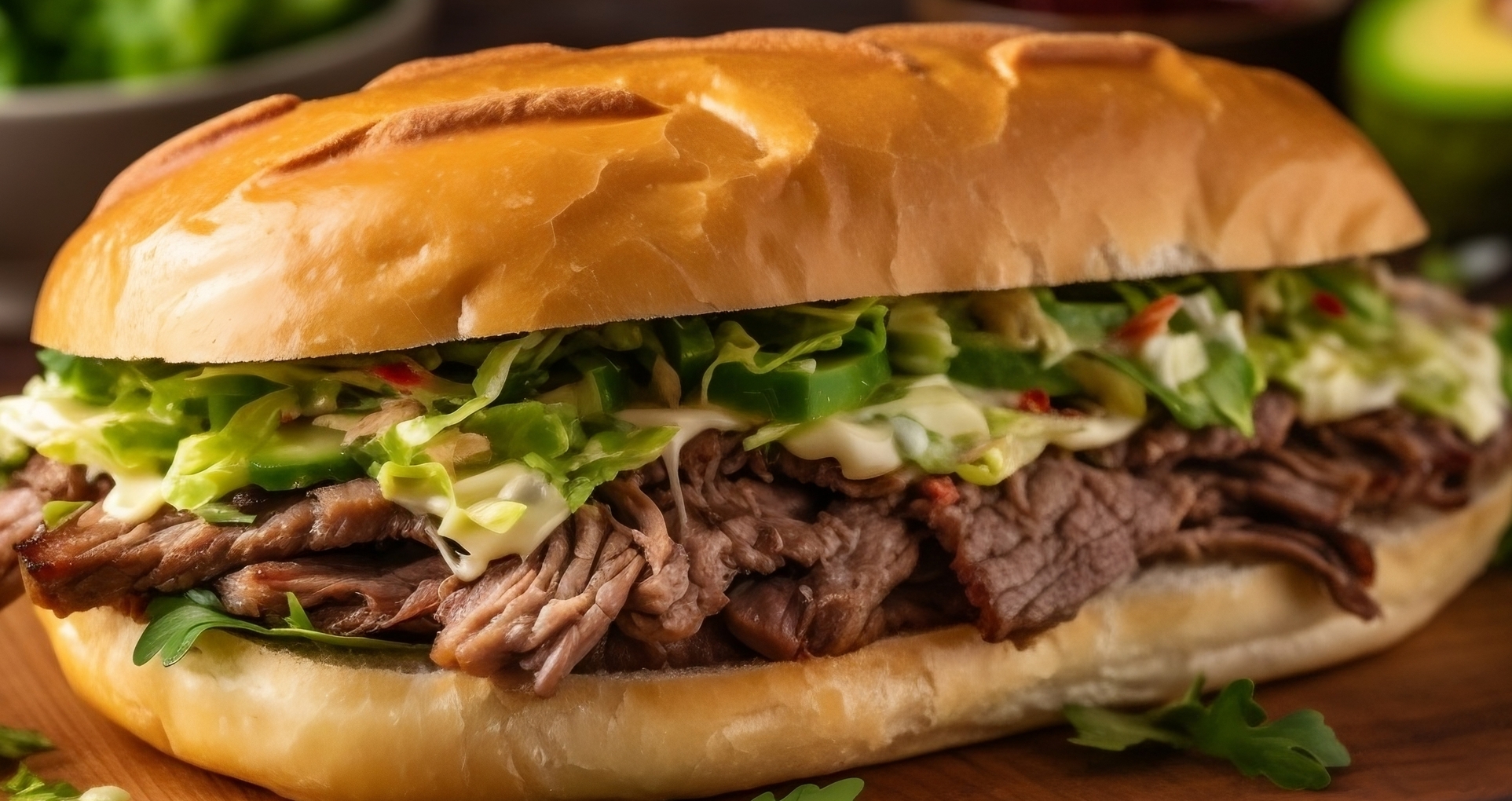
How Much Does a Sandwich Cost? $5 Hoagies to $15 Footlongs
Sandwich prices are climbing, but they’re still a top value nationwide. Learn what affects cost and how prices vary across restaurants.
Aislinn CokerAuthor
 RESOURCE
 Restaurant Menu Costing 101 Infographic
From ingredients and labor to rent and insurance, help your guests see what really goes into every dish.
Get Free Download | Built for Restaurants
Sandwiches are one of the most dependable items on any menu — simple, satisfying, and endlessly customizable. And their prices span a wide range, from $5 deli staples to $20 chef-driven creations layered with premium ingredients.
According to Toast’s 2024 Lunch Trends Report, guests at quick-service restaurants paid an average of $11.26 for sandwiches and wraps — a 4.6% increase year over year. That makes sandwiches one of the fastest-rising menu categories. Even so, they still offer a filling meal at an accessible price point.
They’re also one of the nation’s most popular foods. Sandwiches and wraps claimed the top spot at quick-service restaurants in every state except California, Nevada, Oregon, and Texas, where tacos edged them out.
So what actually goes into the cost of a sandwich? In this guide, we’ll break down the factors that shape price and explore what you can expect to pay at different types of restaurants.
Key takeaways
Sandwiches remain one of the best values in dining, offering a full, satisfying meal at nearly any price point.
Protein, bread, toppings, and prep style are the biggest drivers of sandwich cost.
Prices vary widely by restaurant type, from affordable grab-and-go options to chef-driven creations.
Location and overhead — like rent, labor, and utilities — play a major role in what ends up on the menu board.
No matter the style or price, sandwiches stay popular because they’re customizable, convenient, and universally loved.
Menu Engineering Worksheet
Use this menu engineering worksheet, complete with intricate menu engineering formulas, to determine areas of strength and weakness in your restaurant's menu.

Factors that influence sandwich prices
From the bread to the fillings to the type of restaurant serving it, several key factors shape how much a sandwich costs.
Protein choice
Turkey, ham, chicken, and cold cuts keep sandwiches affordable thanks to steady supply and predictable pricing.
Roast beef, pastrami, steak, and cured meats sit higher on the cost spectrum due to premium cuts and more labor-intensive preparation.
Seafood sandwiches — like crab rolls, tuna melts, or shrimp po’boys — land at the top due to higher ingredient costs and perishability.
Plant-based alternatives can be lower-cost, though branded meat substitutes can push prices upward.
Bread type
White, wheat, and simple rolls keep the base price low.
Baguettes, ciabatta, wraps, brioche, or focaccia come with a mid-range cost.
House-made or artisan breads add noticeable premiums, thanks to higher labor and quality standards.
Cheese, toppings, and spreads
Fresh produce like tomatoes, lettuce, and onions keep costs modest.
Specialty spreads (pesto, aioli), extra cheese, roasted vegetables, or avocado push ingredient costs higher.
Pickled, marinated, or house-prepped items add both flavor and labor hours.
Preparation and labor
Cold sandwiches require minimal prep — slice, stack, wrap, done.
Hot sandwiches, melts, and paninis require grilling, pressing, toasting, or additional prep time, increasing labor costs and equipment usage.
Batch-prepared proteins (like pulled pork or brisket) can lower per-sandwich labor but raise prep time earlier in the day.
Location
High-rent urban markets, coastal cities, and tourist-heavy areas naturally charge more.
Ingredient availability, transportation costs, and local wages all influence menu pricing.
For example, Toast data found that the average cost of a sandwich in Hawaii is $13.32, while in Idaho it’s just $8.92.
Restaurant type and service style
Fast food and grab-and-go delis rely on volume and efficiency to keep prices low.
Fast casual invests in more premium ingredients and larger portions.
Full-service restaurants and cafés incorporate plating, ambiance, and additional labor into their pricing.
Overhead and operations
Rent and utilities
Labor and payroll taxes
Equipment and maintenance
Packaging (especially for takeout)
Vendor contracts and delivery fees
Average sandwich prices by restaurant type
From budget-friendly delis to chef-driven cafés, here’s what customers can typically expect to pay across different restaurant formats.
Fast food and convenience stores ($4–$7 per sandwich)
Fast-food chains and grab-and-go markets keep prices low by prioritizing speed, consistency, and standardized ingredients.
Wawa, Sheetz, and similar chains often price classic cold sandwiches in the $5–$8 range.
Breakfast sandwiches — from sausage, egg, and cheese to simple bacon and egg — typically run $3.50 to $6, depending on size and market.
Fast casual restaurants and delis ($8–$12 per sandwich)
This middle tier covers neighborhood delis, contemporary cafés, and national fast-casual chains. Customers can expect:
Higher-quality proteins
Larger portions
More customization
House-made dressings or spreads
Chains like Subway, Panera, and regional delis commonly price sandwiches between $8 and $15. Popular options — like turkey clubs, Italian subs, and grilled chicken sandwiches — often fall right in the middle of that range.
Full-service restaurants, gastropubs, and upscale cafés ($12–$20+)
At sit-down restaurants — from neighborhood gastropubs to modern cafés — sandwiches often get the full chef-driven treatment. Expect elevated ingredients and more intricate preparation, including:
Artisan or house-baked bread
Braised or roasted meats
House-cured or premium imported cheeses
Slow-cooked proteins like short rib or pork belly
Fresh-baked focaccia, brioche, or ciabatta
Thoughtful plating or premium sides
Across most cities, hot chicken sandwiches, pressed paninis, and steak sandwiches typically land between $14 and $18, while more elevated café or bistro creations frequently reach $18–$20+.
For example, in Philadelphia, High Street offers sandwiches like the crispy chicken hoagie with tahini caesar and lacinato kale for $17, or a pastrami reuben on caraway rye for $19.
Wrapping up (literally!)
From $5 grab-and-go classics to $20 chef-crafted creations, the price of a sandwich comes down to the ingredients inside, the time and skill required to prepare them, and the overall experience a restaurant delivers.
Whether it’s a quick turkey club from a corner deli or a slow-roasted short rib melt from an upscale café, sandwiches remain one of the most reliable values in dining.
Opening a Deli Checklist
So many things go into opening a deli. With this free PDF checklist, you'll set your new business up for success.
FAQ
How much should I expect to pay for a sandwich in 2025?
Prices vary widely by concept and region, but most diners can expect everything from low-cost fast-food options to higher-priced, chef-driven sandwiches at full-service spots.
Why are sandwich prices so much higher than a few years ago?
Higher labor costs, ingredient inflation, supply chain challenges, and increasing overhead have all pushed menu prices upward.
Are restaurant sandwiches worth the price compared to homemade?
Homemade is typically cheaper, but restaurants offer convenience, quality ingredients, and craft — plus the time savings many guests are paying for.
Which fast food chain offers the best value for sandwiches?
It depends on what customers prioritize — portion size, price, freshness, or flavor. Most national chains compete using value menus, bundles, and rotating promotions.
How much profit do sandwich shops make per sandwich?
Profit per sandwich varies based on pricing, food cost, labor, and overhead, so there’s no universal number. A better benchmark is overall revenue: a small but popular and profitable sandwich shop typically earns $10,000–$30,000 per month, or $120,000–$350,000 per year.


Is this article helpful?
DISCLAIMER: This information is provided for general informational purposes only, and publication does not constitute an endorsement. Toast does not warrant the accuracy or completeness of any information, text, graphics, links, or other items contained within this content. Toast does not guarantee you will achieve any specific results if you follow any advice herein. It may be advisable for you to consult with a professional such as a lawyer, accountant, or business advisor for advice specific to your situation.
 Trending

Subscribe to On the line
Sign up to get industry intel, advice, tools, and honest takes from real people tackling their restaurants’ greatest challenges.
By submitting, you agree to receive marketing emails from Toast. We’ll handle your info according to our privacy statement. Additional information for California residents available here.